

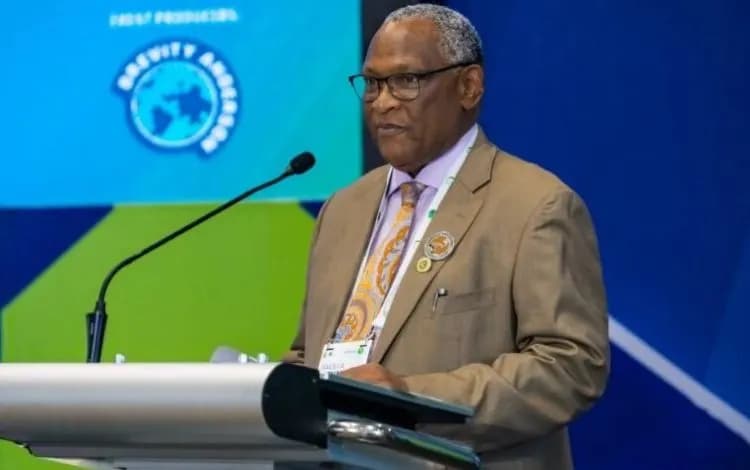
The Authority Chief Executive of the Nigerian Midstream and Downstream Petroleum Regulatory Authority, Engr. Saidu Mohammed, has called for a pragmatic, phased approach to fuel specification harmonisation across Africa, stressing that the focus should be on standards not price uniformity.
Speaking at the African Refiners and Distributors Association Week 2026 in Cape Town, Mohammed warned against adopting rigid, continent-wide frameworks that fail to reflect the realities of individual markets.
He argued that attempting to harmonise fuel pricing across Africa is unrealistic, given the wide gaps in economic structure, regulatory strength, and supply chain capacity among countries. “Harmonisation must be pragmatic and context-driven. We must align ambition with execution realities,” he said.
According to him, Africa should prioritise aligning fuel specifications to improve product quality and market efficiency, while allowing pricing to remain flexible and driven by domestic conditions.
He proposed a phased transition model that enables countries to gradually upgrade fuel standards without disrupting supply or placing undue pressure on consumers already grappling with high energy costs.
Mohammed pointed to Nigeria’s regulatory approach as a working example, noting ongoing efforts to tighten fuel quality standards while maintaining supply stability in a fully deregulated pricing environment.
He identified stronger inter-regulatory collaboration, policy clarity, infrastructure investment, and realistic timelines as critical enablers for successful harmonisation across the continent.
He added that standardising fuel specifications would reduce cross-border arbitrage, improve regional trade, and support Africa’s gradual transition to cleaner fuels without distorting local markets.
ARDA Week 2026, which marks two decades of industry collaboration, brought together regulators, policymakers, and key industry players to chart a more coordinated and resilient future for Africa’s downstream petroleum sector.