

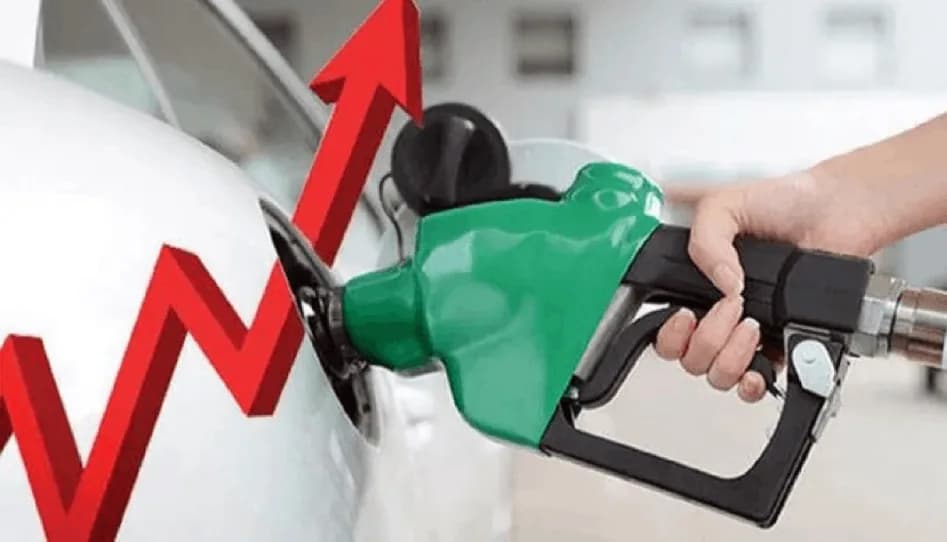
Fuel prices across Africa rose further in April 2026, reflecting sustained pressure from global supply disruptions that have tightened availability and increased costs for both petrol and diesel.
Data from GlobalPetrolPrices shows the global average at about 1.50 dollars per litre for petrol and 1.60 dollars per litre for diesel, up from 1.34 dollars per litre for petrol in March. The increase has been linked to geopolitical tensions affecting key supply routes such as the Strait of Hormuz.
Across Africa, several countries now rank among the most expensive fuel markets globally, underscoring the vulnerability of import dependent economies to external shocks.
- Malawi — petrol 3.85 dollars per litre; diesel 3.86 dollars per litre
- Zimbabwe — petrol 2.23 dollars; diesel 2.11 dollars per litre
- Central African Republic — petrol 1.849 dollars; diesel 2.201 dollars per litre
- Sierra Leone — petrol 1.78 dollars; diesel 2.03 dollars per litre
- Morocco — petrol 1.66 dollars; diesel 1.56 dollars per litre
- Senegal — petrol 1.618 dollars; diesel 1.196 dollars per litre
- Rwanda — petrol 1.577 dollars; diesel 1.51 dollars per litre
- Mali — petrol 1.562 dollars; diesel 1.679 dollars per litre
- Burkina Faso — petrol 1.495 dollars; diesel 1.187 dollars per litre
- Cameroon — petrol 1.479 dollars; diesel 1.458 dollars per litre
Diesel Emerges as Key Pressure Point
While petrol remains a key pricing benchmark, diesel is exerting a more pronounced economic impact due to its central role in transportation, power generation, and industrial activity. In several high cost markets, diesel prices have exceeded global averages, intensifying logistics and operational costs. Malawi, the Central African Republic, Sierra Leone, and Zimbabwe stand out in this regard, where elevated diesel prices are compounding broader supply constraints.
By contrast, countries such as Senegal and Burkina Faso recorded diesel prices below global averages, suggesting the influence of pricing controls or supply stabilisation measures. Cameroon and Morocco remained closer to international benchmarks, reflecting relatively more stable pricing environments.
The concentration of high prices in countries such as Malawi, Zimbabwe, the Central African Republic, and Sierra Leone highlights structural vulnerabilities, including heavy reliance on imported refined products, weak currencies, and high transportation costs. These factors, particularly in landlocked economies, continue to amplify the impact of global price movements.
Price trends across the continent remain mixed. While some markets recorded increases, others experienced slight declines, indicating that domestic policy decisions, subsidy frameworks, and supply arrangements are shaping short term price movements even as global pressures persist.
Underlying the current situation are long standing structural challenges. Many African countries lack sufficient refining capacity and depend heavily on imported petroleum products, exposing them to international price volatility. Currency depreciation and high logistics costs further increase the burden on domestic markets.
The economic impact of rising fuel prices is becoming more pronounced. Higher diesel costs are feeding into transportation and production expenses, contributing to inflationary pressures as businesses pass on costs to consumers. In West Africa, including Nigeria, these dynamics are already affecting supply chains and overall cost structures.
Governments are responding with a range of measures, including tax adjustments, price controls, and subsidy interventions. However, such policies come with fiscal trade offs, adding pressure to already constrained public finances.
Overall, the April 2026 data highlights the continued sensitivity of African fuel markets to global developments. With both petrol and diesel prices rising, and structural constraints persisting, many economies remain exposed to external shocks, reinforcing the need for long term investment in refining capacity and energy infrastructure.