

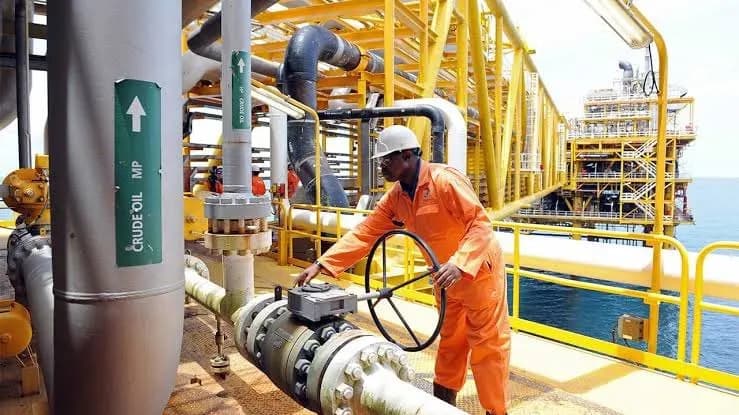
Africa’s energy sector is experiencing a powerful resurgence as global investors channel new capital into oil, gas, and renewable projects. Years of underinvestment are giving way to renewed confidence, driven by rising demand, government reforms, and strategic resource development. From Nigeria’s offshore blocks to Namibia’s promising discoveries, the continent is rapidly reasserting itself on the global energy map.
Leading Producers Attract Fresh Investment
Nigeria and Namibia are at the forefront of this energy revival. In Nigeria, operators are accelerating offshore drilling, commissioning new gas projects, and expanding domestic refining. These efforts are stabilising crude output while boosting investor confidence. International oil companies are returning to key fields, encouraged by improved fiscal terms and stronger security measures.
Namibia, on the other hand, has emerged as an exploration hotspot after major offshore finds. Companies are fast-tracking appraisal programmes and early-stage development, positioning the country as a potential continental leader in oil production. Meanwhile, Angola, Senegal, and Tanzania are drawing significant capital for LNG, deepwater oil, and pipeline expansion, highlighting a broader continental upswing.
Global Investors Target Diversified Energy
Global energy players are increasingly diversifying into Africa’s evolving energy mix. While oil and gas remain the primary focus, renewable projects are rapidly gaining traction. Solar and wind initiatives in South Africa, Egypt, Morocco, and Kenya are attracting long-term financing from both private funds and development banks.
Operators are also experimenting with hybrid energy hubs that combine gas production with renewable power. This integration strengthens energy security, supports emission reductions, and meets rising domestic and export demand. Together, these developments are enhancing Africa’s appeal as a competitive investment destination.
Policy Reforms Drive Confidence and Growth
Governments across the continent are actively reforming energy policies to unlock new investment. Nigeria’s Petroleum Industry Act streamlines regulation and accelerates approvals, while Angola offers transparent licensing and attractive fiscal terms. Namibia is simplifying permitting processes and collaborating with investors to advance field development.
These reforms reduce bureaucratic delays, improve project returns, and bolster investor confidence. Analysts project that Africa will see sustained capital inflows through 2026, leading to higher output, expanded refining capacity, and a stronger role in global energy supply chains.