

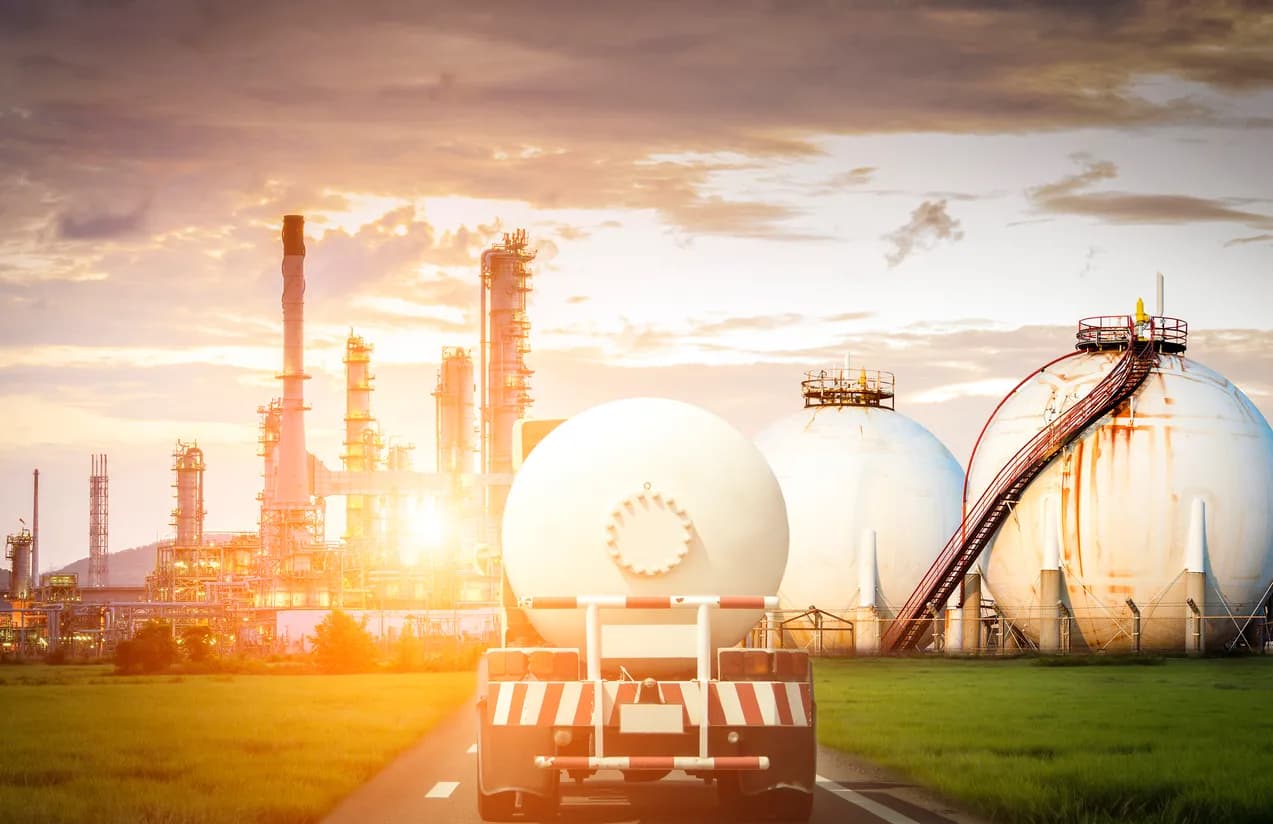
As global demand for cleaner energy rises, natural gas is becoming a cornerstone of economic growth and energy security in Africa. In 2025, several African countries are ramping up production to power industries, generate electricity, and export liquefied natural gas (LNG) to international markets.
Natural gas not only supports domestic energy needs but also boosts jobs, infrastructure, and foreign exchange earnings, especially vital in regions facing fuel import pressure and high energy costs.
According to data from Global Firepower, here are the 10 African countries producing the most natural gas this year.
Africa’s Leading Natural Gas Producers – 2025
| Rank | Country | Output (Cubic Metres) | Global Ranking |
|---|---|---|---|
| 1 | Algeria | 100.7 billion Cu.M | 10th |
| 2 | Egypt | 64.8 billion Cu.M | 13th |
| 3 | Nigeria | 39.6 billion Cu.M | 19th |
| 4 | Libya | 11.8 billion Cu.M | 38th |
| 5 | Angola | 5.5 billion Cu.M | 44th |
| 6 | Mozambique | 5.4 billion Cu.M | 45th |
| 7 | Ghana | 3.2 billion Cu.M | 48th |
| 8 | Ivory Coast | 2.6 billion Cu.M | 51st |
| 9 | Cameroon | 2.6 billion Cu.M | 52nd |
| 10 | Tanzania | 1.8 billion Cu.M | 56th |
Natural Gas: A Game-Changer for Africa
Furthermore, natural gas allows countries to reduce reliance on foreign fuels, bringing more control over local energy supply. It helps cushion economies against volatile global oil prices and supports long-term development plans.
Also, the natural gas value chain, from exploration to exports, creates thousands of jobs and stimulates industrial growth in sectors such as fertiliser, petrochemicals, and cement.
Moreover, gas-fired power generation increases electricity access in rural and underserved areas, tackling one of the continent’s most persistent challenges: energy poverty.
Additionally, exporting LNG boosts foreign reserves and trade balances. With Europe and Asia seeking to diversify away from Russian supplies, Africa’s role in the global energy market is expanding rapidly.
What Lies Ahead
The natural gas sector is set to reshape Africa’s energy and economic future. Countries investing in pipelines, LNG infrastructure, and regulatory stability are likely to attract long-term partners and investors.
As Nigeria, Algeria, and Mozambique continue to grow their gas sectors, more African nations are expected to follow, turning natural gas into a key pillar of sustainable development across the continent.