

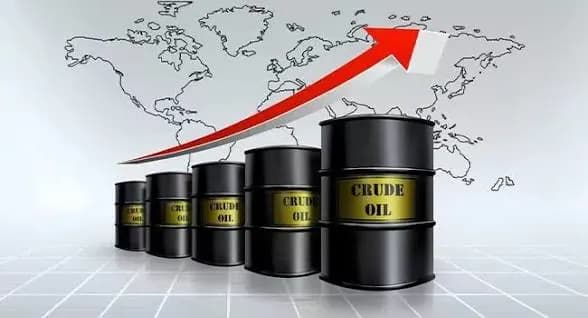
Fresh pressure is building in the global oil market as Brent crude climbed above $110 per barrel again, raising concerns over a possible fuel price increase in Nigeria and other major economies already battling rising energy costs.
As as the time of writing is 05:25 AM (WAT), Brent crude traded at $111.2 per barrel, up 1.74 per cent, while WTI crude stood at $107.6 per barrel, gaining 2.08 per cent. The renewed rally reflects growing fears over tightening global supply conditions and escalating geopolitical risks in the Middle East.
The latest jump in crude prices comes after fresh drone attacks targeting the United Arab Emirates and Saudi Arabia, developments that have further unsettled oil traders. Reports indicated that a fire broke out near the Barakah nuclear power facility in the UAE following a drone incident, while Saudi authorities said they intercepted drones entering their airspace from Iraq.
The attacks have added to market anxiety surrounding the Strait of Hormuz, a vital global oil shipping route. Hopes of easing tensions in the region also weakened after United States President Donald Trump’s visit to China failed to produce a diplomatic breakthrough on Iran, fuelling renewed fears of supply disruption.
Oil traders are increasingly worried that the market could slide into a deeper supply crunch. The International Energy Agency (IEA) estimates a 6 million barrels-per-day gap between global oil supply and demand from March to June, while inventories continue to fall rapidly. Analysts at JPMorgan have also warned that OECD oil stockpiles may approach operational stress levels by early June if current market conditions persist.
The growing strain on physical oil supply has already pushed governments across several countries into emergency response measures aimed at shielding their economies from rising energy costs. Market analysts cited by Oilprice.com warned that Brent crude could surge to $180 per barrel if traffic through the Strait of Hormuz remains restricted for a prolonged period.
For Nigeria, another climb in crude prices above the $110 mark is very likely to reignite pressure across the downstream petroleum market. Rising crude costs typically feed into refined product pricing, increasing the risk of higher petrol, diesel and aviation fuel prices, particularly as their is still a mix of domestic refining and imported supply.
The development could also test recent efforts to stabilise fuel pricing in the domestic market. With global crude markets tightening and geopolitical risks deepening, Nigerian marketers, refiners and consumers may be forced to prepare for another round of pricing volatility in the days ahead.