

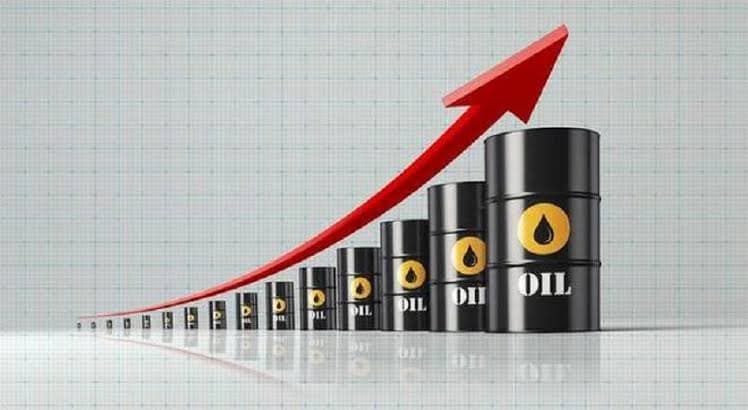
Oil prices rose by more than 1% in early trading on Friday as persistent Middle East tensions and uncertainty over regional supply continued to support the market, despite renewed diplomatic efforts to ease the conflict involving Iran. Standard Chartered expects crude prices to remain elevated until Gulf production and shipping operations recover more fully.
As at the time of writing 6:20 a.m. (WAT), Brent crude was trading at $116.10 per barrel, up 1.08%, while West Texas Intermediate (WTI) rose 1.02% to $103.00 per barrel, according to the latest figures provided by Oilprice.com.
Saudi Arabia, Turkey and Pakistan have stepped up diplomatic engagement with Iran, with senior delegations reportedly meeting Iranian officials in Tehran to discuss a regional security framework. Iranian President Masoud Pezeshkian has expressed willingness to resolve regional differences, but Tehran maintains that US sanctions and the blockade of Iranian ports must be addressed before broader negotiations can progress.
Standard Chartered expects a credible agreement to remove some of the geopolitical risk premium from oil prices. However, the bank cautions that diplomacy alone will not guarantee a sustained decline, as disrupted production, constrained refining activity and costly shipping alternatives continue to limit effective supply. The recovery of Gulf exports and the restoration of safe shipping routes will be crucial to easing market tightness.
Security concerns have also persisted following claims by Yemen’s Houthi movement of fresh attacks on pumping stations along Saudi Arabia’s East-West pipeline. The report noted that there was no verified evidence of new damage or interrupted flows. Any confirmed disruption could complicate Saudi Arabia’s efforts to move crude towards the Red Sea while bypassing the Strait of Hormuz.
Depleted strategic reserves could further support prices even if Gulf production recovers. The US Strategic Petroleum Reserve held 282.7 million barrels, its lowest level since 1982, according to figures cited in the report. Standard Chartered expects governments to replenish emergency stockpiles, creating additional demand that could absorb a substantial share of returning supplies and slow the rebuilding of commercial inventories.
The pressure extends beyond crude oil to refined products and natural gas. Diesel shortages and elevated freight costs risk adding to inflation, while Europe faces tighter gas supply as winter demand increases and storage injections weaken. European buyers are also competing with Asian importers for available liquefied natural gas cargoes amid continuing disruption to Gulf exports.
For Nigeria, elevated crude prices could support export earnings, but higher freight, insurance and petroleum product costs may place additional pressure on the domestic energy market. The overall impact will depend on crude export volumes, domestic refining performance and international product prices. A sustained recovery in regional supply could ease some of these pressures, although the timing remains uncertain.
Ultimately, oil prices are likely to remain sensitive to developments in Iran, the security of Gulf shipping routes and the pace of production recovery. While diplomatic progress could reduce the geopolitical premium, a sustained decline in crude prices will depend on the return of reliable supplies and the rebuilding of global inventories.