

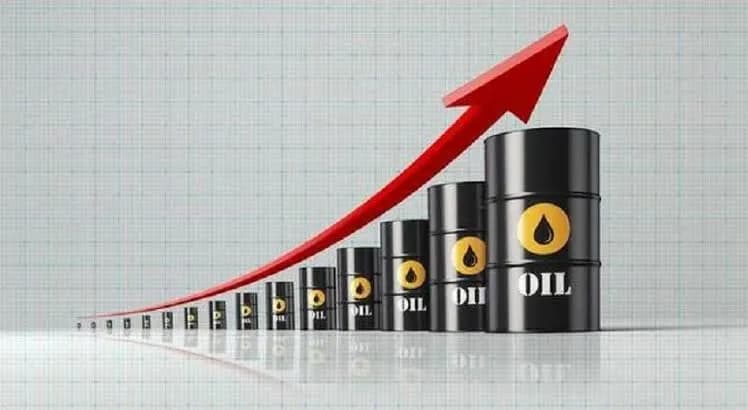
Global oil prices climbed again on Tuesday as uncertainty surrounding a potential ceasefire extension between the United States and Iran continued to fuel concerns over supply disruptions, pushing crude benchmarks higher and keeping energy markets on edge.
At the time of writing 08:57 pm (WAT), Brent crude was trading at $96.00 per barrel, up 1.07 per cent, while U.S. West Texas Intermediate (WTI) crude rose 1.74 per cent to $93.76 per barrel as traders assessed fresh developments in the Middle East.
The latest rally comes as investors await clarity on the future of ongoing U.S.-Iran negotiations. While Iranian authorities are reportedly reviewing a new ceasefire proposal from Washington, conflicting signals from both sides have left markets uncertain about whether a lasting agreement can be reached.
Analysts say the fate of the ceasefire has become the dominant driver of oil prices, overtaking traditional supply-and-demand fundamentals.
The continued disruption of shipping through the Strait of Hormuz, one of the world's most important oil transit routes, remains a major concern for traders and energy consumers alike. Approximately one-fifth of global oil flows pass through the strategic waterway, making any threat to its operations a significant risk to global energy security.
Despite hopes of diplomatic progress, market participants remain cautious. Reports indicate that Iran has paused direct communication with Washington while reviewing the latest proposal, creating uncertainty over the timing and outcome of any potential deal. As a result, a geopolitical risk premium continues to support crude prices.
Further tightening sentiment is a warning from the International Energy Agency (IEA) that global crude inventories could fall to critically low levels before peak summer demand arrives. The agency noted that even if an agreement is reached immediately, it could take between six and eight months for oil flows through the Strait of Hormuz to fully normalise.
Meanwhile, OPEC+ is expected to maintain its gradual production increase strategy when member countries meet later this week, with reports suggesting the alliance could approve another output hike of about 188,000 barrels per day. However, analysts believe any additional supply may do little to offset concerns surrounding Middle East tensions.
For Nigeria, the latest rise in crude prices presents both opportunities and challenges. Higher oil prices could support government revenues and foreign exchange earnings, but they also increase pressure on domestic fuel prices as refiners continue to align petroleum product pricing with international crude benchmarks.
With the volatility of global crude prices, market watchers say the next direction for oil prices will depend largely on developments in Washington and Tehran. Until a definitive ceasefire agreement is reached and shipping through the Strait of Hormuz returns to normal, volatility is likely to remain a defining feature of global energy markets.