

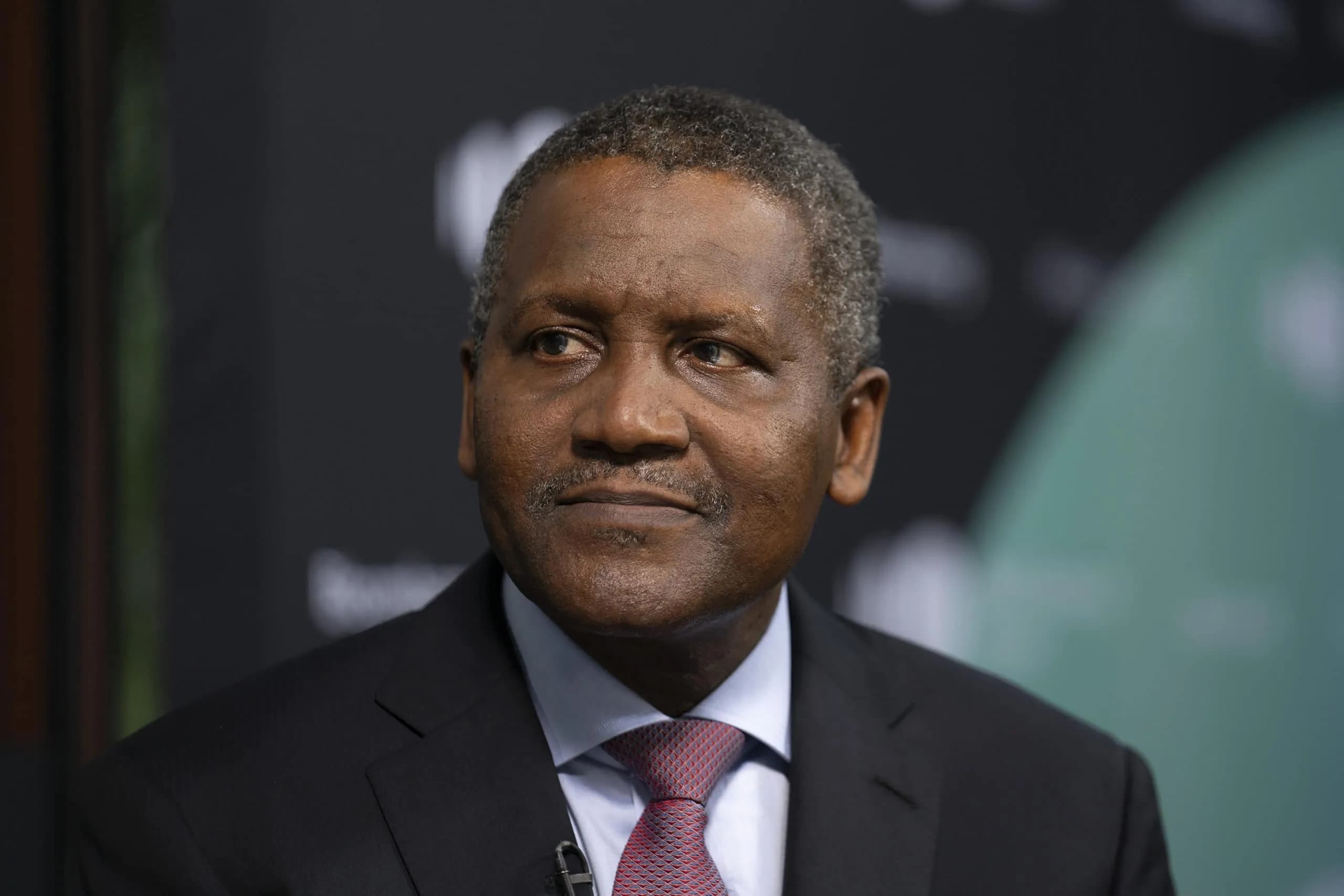
Africa’s richest man, Aliko Dangote, has opened up about the biggest risk of his life his $23 billion refinery project. The billionaire businessman revealed that investing such a massive amount into the Dangote Refinery in Lagos was a high-stakes gamble, but one he believed was necessary for Nigeria’s economic future.
Speaking in a recent interview, Dangote admitted that the refinery, which is Africa’s largest, was a bold and risky venture. “This is the biggest risk of my life. It wasn’t easy, but we had to do it,” he said. He explained that he had to put almost everything on the line to make the refinery a reality.
A Game-Changer for Nigeria
The Dangote Refinery, which started operations in 2024, is expected to transform Nigeria’s oil and gas industry. For decades, Africa’s largest oil producer has ironically relied on imported refined petroleum products due to a lack of local refining capacity. Dangote’s refinery is set to change that, as it has the capacity to process 650,000 barrels of crude oil per day.
By refining oil locally, Nigeria will cut down on fuel imports, strengthen the naira, and create thousands of jobs. Many Nigerians have long hoped for a solution to the country’s fuel crisis, and this refinery could be a major breakthrough.
Challenges and Determination
Dangote acknowledged the numerous obstacles he faced, from securing financing to dealing with fluctuating global oil prices. He noted that banks were initially hesitant to fund the project because of its enormous scale. However, his determination kept him going. “We didn’t just build a refinery; we built the largest in Africa. It wasn’t easy, but we made it happen,” he said.
Despite the risks, Dangote remains confident that the refinery will benefit Nigeria and Africa at large. “This is for the people. We want Nigerians to have access to locally refined fuel at affordable prices,” he added.
The Future of Nigeria’s Energy Sector
With the refinery now in operation, experts believe it will reduce Nigeria’s dependence on fuel imports, stabilise petrol prices, and improve the country’s foreign exchange reserves. The move aligns with the government’s push for self-sufficiency in energy production.
Many Nigerians see Dangote’s refinery as a symbol of what local businesses can achieve with vision and persistence. The billionaire’s bold decision to take on such a massive project may have been a huge risk, but it’s one that could redefine Nigeria’s economic future.
As the refinery ramps up production, all eyes will be on whether it delivers on its promises and truly transforms the Nigerian economy.