
In Nigeria, fuel quality is often taken for granted. Most motorists focus on rising pump prices, but rarely question what’s actually going into their tanks. Yet, behind every refill lies a hidden risk: contaminated or adulterated petrol silently degrades engines, particularly in modern vehicles. While the Nigerian Midstream and Downstream Petroleum Regulatory Authority (NMDPRA) sets fuel quality benchmarks, enforcement remains inconsistent, leaving many drivers exposed.
This article explores how substandard petrol damages engines, what signs to look out for, and practical steps to protect your vehicle.
1. Fuel Quality Is Inconsistent Across Filling Stations
Despite regulations requiring petrol sold in Nigeria to meet minimum specifications—including a Research Octane Number (RON) of 91—adulteration remains common. Some independent marketers and roadside retailers mix petrol with substances like kerosene, ethanol, or industrial solvents to boost volume and profits.
According to a 2022 report by the Standards Organisation of Nigeria (SON), up to 20% of sampled fuel stations in parts of Lagos and Kano were found selling substandard petrol. Moreover, stations with low sales volumes tend to store fuel for longer periods, increasing the risk of microbial growth, sedimentation, and water contamination.
For drivers, the takeaway is clear: Stick to high-volume stations operated by reputable marketers with strong brand oversight and NMDPRA-compliant infrastructure.
2. Contaminated Fuel Can Cause Long-Term Engine Damage
Adulterated petrol does more than cause short-term performance issues. Over time, it leaves harmful residues in the combustion chamber, clogs injectors, and corrodes fuel lines. Engines run hotter and less efficiently, leading to higher emissions, rough idling, and eventually mechanical failure.
Mechanics across Nigeria regularly report cases of injector fouling, damaged fuel pumps, and degraded catalytic converters—all linked to poor fuel quality. A 2023 survey of auto-repair shops in Abuja and Port Harcourt by the Nigerian Automobile Technicians Association found that roughly 3 in 10 engine overhauls were related to fuel system damage.
3. Storage and Transport Conditions Further Degrade Fuel
Even if petrol is refined to standard, contamination can occur during transport and storage. Leaky tankers, aging depot infrastructure, and water ingress from poor sealing allow microbes, rust particles, and moisture into the fuel chain.
In 2022, a nationwide fuel crisis was triggered when methanol-laced petrol—imported through multiple cargoes—damaged thousands of vehicles. While this incident involved imports, similar risks exist at local depots and filling stations where quality control is weak. Fuel delivered under such conditions deteriorates before ever reaching your tank.
4. Modern Cars Are More Vulnerable to Bad Fuel
Newer cars—especially those equipped with fuel injection systems, knock sensors, and emissions controls—are far more sensitive to poor fuel quality. Subpar petrol can trigger warning lights, reduce mileage, and damage expensive components like oxygen sensors and catalytic converters.
Vehicles designed for minimum RON 91 (and optimally RON 95) suffer when fed fuel that falls below specification. This is especially critical for models from manufacturers like Toyota, Honda, Kia, and Ford—widely used across Nigeria’s cities and ride-hailing services.
5. Five Warning Signs You’re Using Adulterated Fuel
You may not have access to a lab, but your car can give you clues. Watch for these symptoms after refueling:
- Rough idling or sluggish acceleration
- Engine knocking or pinging sounds
- Decreased fuel economy
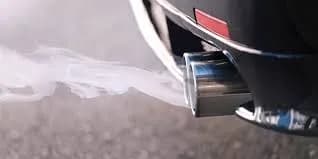
- Excessive smoke from the exhaust
- Strong, persistent fuel smell inside the cabin
If you notice any of these, stop using the station in question and have your vehicle checked immediately.
How to Protect Your Vehicle from Fuel Damage
While motorists can’t control the entire fuel supply chain, simple precautions can reduce risk:
- Buy from trusted stations with high turnover and strong reputations (e.g., major brands like NNPC Retail, TotalEnergies, or BOVAS).
- Avoid refueling during scarcity or immediately after fuel deliveries, when tanks may be unsettled.
- Pay attention to engine behavior after each refill and keep records to spot patterns.
- Service your vehicle regularly, including fuel filter replacements and system cleaning.
- Report suspicious fuel outlets to NMDPRA or via its Downstream Consumer Protection Unit.
Clean Fuel Is as Important as Cheap Fuel
Nigeria’s fuel quality problem is real, but often invisible. While the country debates petrol pricing and subsidy reform, millions of vehicles face significant damage from fuel that fails to meet standards. With car repairs now more expensive due to forex volatility and parts scarcity, prevention is better than a cure.
Be vigilant, stay informed, and choose your fuel station as carefully as you choose your mechanic. After all, what goes into your tank today could determine whether your engine survives tomorrow.