

Global oil prices extended losses on Friday after U.S. President Donald Trump said a framework agreement to end the conflict involving Iran could be signed within days, easing concerns over prolonged supply disruptions in the Middle East.
As of 5:40 p.m. WAT, Brent crude traded at $87.29 per barrel, down 3.42%, while U.S. West Texas Intermediate (WTI) fell 3.34% to $84.78 per barrel, as traders reacted to prospects of a diplomatic breakthrough.
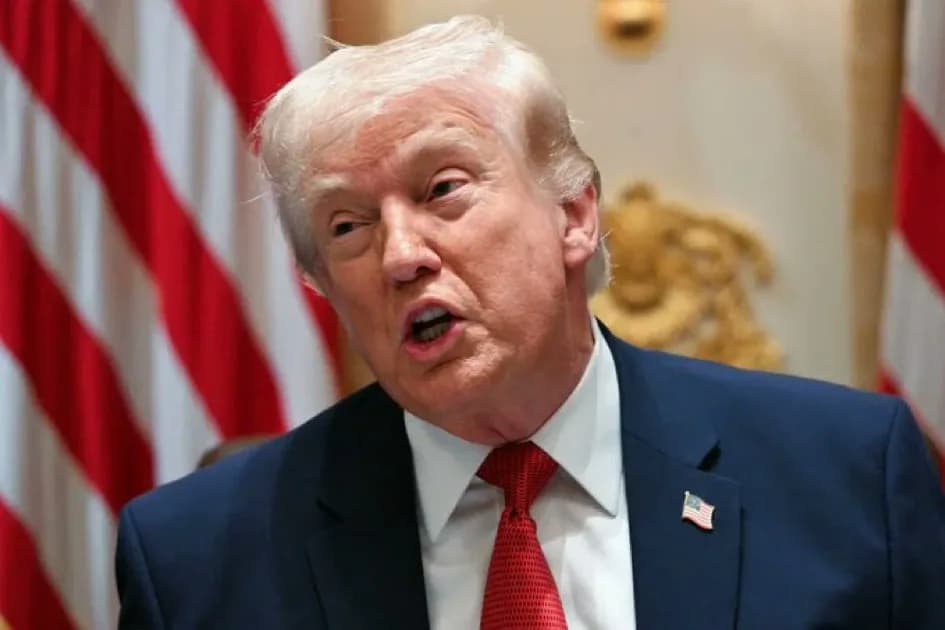
The decline followed comments by Trump, who told reporters at the White House that a memorandum of understanding between the United States and Iran had been agreed in principle and could be formally signed as early as this weekend, potentially in Europe.
According to Trump, discussions have reached an advanced stage and the proposed framework is expected to address one of the key issues driving tensions in the region by ensuring that Iran does not develop nuclear weapons.
"We just made a great settlement of the war with Iran," Trump said, adding that final documentation was being completed and a signing ceremony could take place within the next few days.
The U.S. president also indicated that the agreement would pave the way for the reopening of the Strait of Hormuz, a critical global energy corridor through which roughly one-fifth of the world's oil and gas supplies normally transit.
However, officials in Tehran adopted a more cautious tone. Iran's Foreign Ministry spokesman, Esmaeil Baghaei, acknowledged progress in negotiations but stated that no final decision had been approved by Iranian authorities.
Baghaei reportedly said several aspects of the proposed agreement had been resolved, but noted that discussions remained ongoing and that differences still existed between both sides.
The latest development marks another turn in months of fluctuating diplomatic and military tensions that escalated after hostilities intensified earlier this year.
Only hours before announcing progress in negotiations, Trump had indicated that the United States was prepared to launch additional military strikes against Iran. He later announced that the planned operation had been suspended following what he described as significant diplomatic progress.
The proposed agreement has also received attention across the region. Trump said he had held discussions with several Middle Eastern leaders as well as Israeli Prime Minister Benjamin Netanyahu, describing regional reactions as largely positive.
While Israel is not a party to the reported memorandum, Netanyahu's office indicated it would welcome any arrangement capable of reducing hostilities and improving regional stability.
The prospect of an agreement helped ease fears of a prolonged disruption to global energy flows, particularly through the Strait of Hormuz. Markets had previously reacted sharply to reports of shipping restrictions and military activity in the area, which raised concerns about potential supply shortages.
Analysts noted that oil prices remain highly sensitive to developments in the Middle East, with traders balancing expectations of improved geopolitical stability against lingering uncertainties surrounding the finalisation of any agreement.
Despite Friday's decline, crude benchmarks remain elevated compared with levels seen before the latest escalation, reflecting ongoing concerns about energy security and the risk that negotiations could still falter before a formal agreement is reached.
Market participants will now closely monitor diplomatic developments in the coming days for confirmation of a final accord and any timeline for the reopening of key regional shipping routes.