

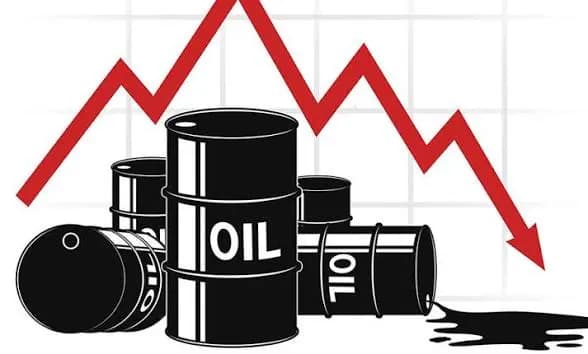
Global oil markets are rapidly abandoning the war narrative that drove prices higher for months, sending crude prices tumbling to their lowest levels in two months as investors increasingly wager that tensions between the United States and Iran are easing and that a major supply disruption has been averted.
The sharp decline reflects a dramatic shift in market sentiment. Only weeks ago, traders were preparing for prolonged supply shortages, disruptions to tanker movements and tighter global inventories. Today, the focus has shifted to how quickly millions of barrels of Iranian crude could return to international markets.
As at the time of writing 06:00 am (WAT), Brent crude traded at $78.39 per barrel, down 0.72%, while U.S. West Texas Intermediate (WTI) crude fell 0.78% to $75.46 per barrel.
The latest selloff has pushed Brent crude to its lowest level since March, extending losses to more than 33% over the past month as markets react to reports that Washington and Tehran have digitally signed a peace agreement that includes reopening the Strait of Hormuz and facilitating the immediate return of Iranian oil exports.
The development has significantly altered market expectations because the Strait of Hormuz remains one of the world's most important energy corridors, handling nearly 20% of global oil flows. Any reduction in geopolitical tensions around the route is expected to ease concerns over supply security and improve confidence among traders.
The agreement is also expected to restore access to banking, insurance and shipping services required to transport Iranian crude and refined petroleum products to international buyers, effectively reconnecting one of the world's largest oil producers to global energy markets.
The speed of the price correction underscores how heavily crude markets had become dependent on geopolitical risks rather than underlying supply and demand fundamentals. Investors who had previously built positions around the possibility of a prolonged conflict are now unwinding those bets.
Despite the decline in prices, underlying market conditions remain relatively tight. Fresh data show that U.S. crude inventories have declined for nine consecutive weeks, with stockpiles falling by about 52 million barrels during the period. Under normal market conditions, such inventory drawdowns would support higher prices, but expectations surrounding the return of Iranian supplies have overshadowed those concerns.
Analysts, however, caution that the market may be moving ahead of reality. While a peace agreement could reduce tensions, restoring production, rebuilding export channels and normalising shipping operations across the region will take time.
For Nigeria, lower international crude prices would provide some relief for domestic fuel costs if current supply conditions remain stable. Softer crude prices may create room for further adjustments in petrol and diesel prices, particularly as marketers benefit from lower replacement costs.
However, the development also presents risks for Africa's largest oil producer. Crude oil remains Nigeria's biggest source of foreign exchange earnings and a key contributor to government revenues. A prolonged decline in prices could weaken fiscal projections and place additional pressure on public finances.
Investors will now closely monitor the implementation of the U.S.-Iran agreement, developments around the Strait of Hormuz, OPEC+ production decisions and global demand trends.
For now, markets have delivered a clear verdict: the geopolitical premium that sustained oil prices throughout much of the year is rapidly fading, and traders are repositioning for a market increasingly driven by returning supplies rather than fears of shortages.