

Nigeria’s agriculture sector has always had massive potential, yet millions of farmers struggle to meet crop yields due to a severe shortage of affordable fertiliser. Each year, the country needs about 7 million metric tonnes of fertiliser, but meeting this demand has proven challenging. Even though local production is growing, Nigeria still relies heavily on imports, costing the nation billions and leaving many farmers without access to this critical input.
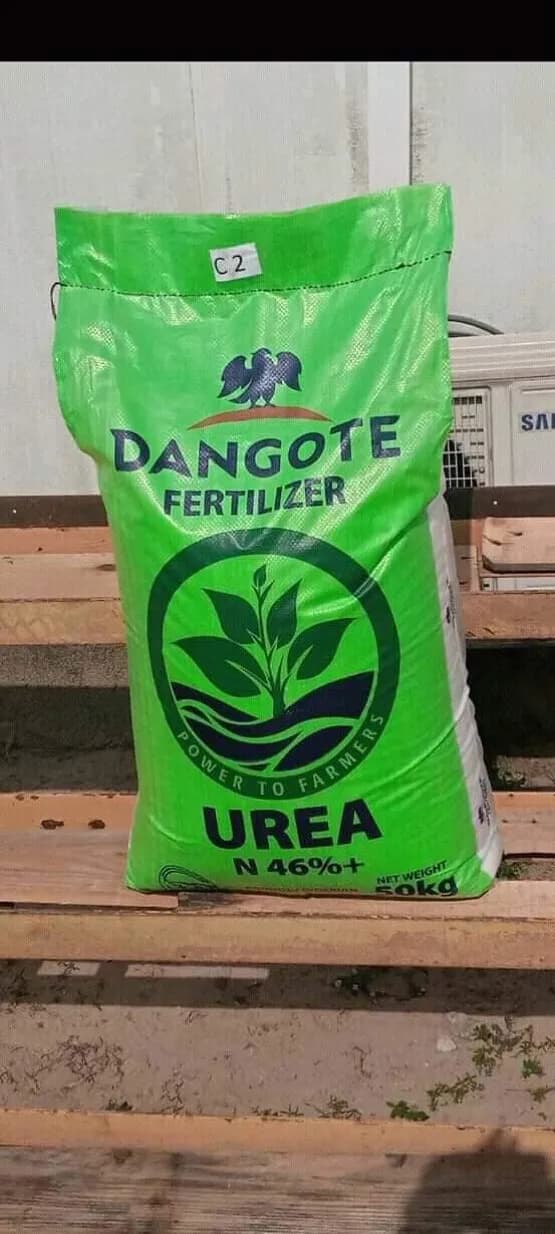
The recently commissioned Dangote Refinery, with its state-of-the-art fertiliser plant, has raised hopes that this might finally change. Located in Lagos, Dangote Fertiliser is now the largest producers of urea fertiliser in the world, with a production capacity of 3 million metric tonnes per year. This has the potential to meet a large portion of Nigeria’s demand and lessen the dependence on costly imports. But will this make a real difference for the average Nigerian farmer?
Fertiliser Shortages and Farmers’ Frustrations
The high cost and limited availability of fertiliser are serious problems for Nigerian farmers. Recent data suggests that 65% of Nigeria’s approximately 12 million smallholder farmers who grow the majority of Nigeria’s food struggle to access fertiliser. Even with government programmes meant to subsidise and distribute it, many small-scale farmers in rural areas are left out. The complex application processes, limited distribution networks, and delays mean that by the time fertiliser reaches those who need it most, planting season has often already passed.
“For us, getting fertiliser is like a lottery. When it arrives, it’s either late or too expensive for us to afford,” says Mariam Yusuf, a small-scale farmer in Kaduna. “Every season, we’re asked to grow more food, but without the inputs, how can we produce more?”
With fertiliser often beyond reach, crop yields are suffering, and productivity remains low. These setbacks have a ripple effect on Nigeria’s food security, limiting supply and driving up prices for staples like rice, maize, and cassava.
The Promise of Dangote Fertiliser: A Game-Changer?
The Dangote Fertiliser plant is bringing optimism to Nigeria’s agriculture sector. With its capacity to produce 3 million metric tonnes annually, this facility could significantly cut down on imports and stabilise fertiliser prices, making it more accessible to local farmers. Dangote Fertiliser produces urea, a nitrogen-rich fertiliser ideal for many of Nigeria’s staple crops, and having it produced locally could reduce delays, lower costs, and improve distribution.
“By producing fertiliser locally, we could avoid the price spikes caused by exchange rates and global supply chain issues,” says Dr. Adekunle Oluseyi, an agricultural economist. “It could mean that farmers get fertiliser on time and at prices they can afford, which could really impact productivity.”
If the plant reaches its full production potential and prioritises the Nigerian market, experts estimate that the country could save around $2 billion per year that’s currently spent on fertiliser imports. This saved capital could then be directed into critical areas such as rural infrastructure, transport, and more streamlined distribution channels to get fertiliser directly to the farmers.
The Real Challenges: Getting Fertiliser to Farmers
While the Dangote Fertiliser plant has the potential to meet Nigeria’s fertiliser needs, simply producing it locally doesn’t automatically solve the problem. Many rural areas lack the infrastructure to distribute fertiliser efficiently, and existing bottlenecks continue to disrupt the supply chain. Roads to rural areas remain poor, storage facilities are inadequate, and many distribution centres are too far from farmers’ communities.
One solution, experts say, could involve creating a public-private partnership between Dangote Fertiliser, government agencies, and agricultural cooperatives. Through a network of regional distribution hubs and subsidised transport, fertiliser could be delivered more reliably to remote farming communities. Direct-to-farmer subsidies, potentially through a digital voucher system, could also ensure that the benefit reaches the small-scale farmers who need it most.
What Nigeria Stands to Gain from a Self-Sufficient Fertiliser Industry
If Dangote Fertiliser successfully scales up to meet domestic demand, it could mean a lot more than just cost savings. A reliable supply of fertiliser would enable farmers to plant with confidence, knowing they’ll have the inputs needed to maximise yields. Improved crop production could make Nigeria more self-sufficient in food, reducing the need to import staples and potentially bringing food prices down for everyday Nigerians.
Moreover, the economic boost would be significant. By buying locally produced fertiliser instead of importing, Nigeria can keep more of its capital within its borders, which could fund other infrastructure projects that benefit agriculture. Local production also means better quality control, as the fertiliser produced at Dangote meets specific standards for Nigerian soil and climate.
Looking Ahead: Dangote’s Potential Role in Transforming Nigerian Farming
For now, the Dangote Fertiliser plant represents a big step in the right direction. But to truly transform Nigeria’s agricultural sector, local fertiliser production will need to be part of a broader strategy that addresses structural challenges such as rural transport, storage, and distribution.
“We’ve been waiting for an opportunity like this for a long time,” says Yusuf. “If we can actually get the fertiliser we need at prices we can afford, it would change everything for us.”
The coming years will reveal whether the Dangote Fertiliser plant can live up to its promise and help bridge the fertiliser gap that has hindered Nigerian agriculture for so long. If successful, this venture could put Nigeria on a path to becoming not just food-secure but a leading agricultural force in Africa.