

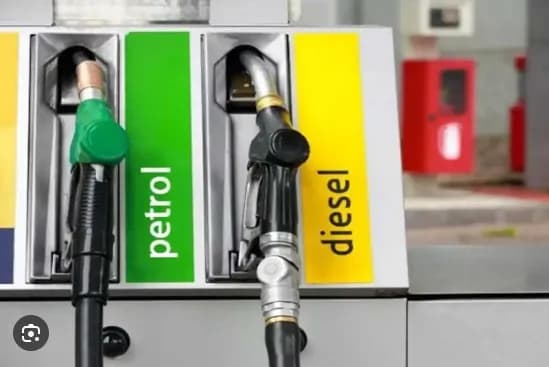
For decades, Nigeria’s economy has run on fossil fuels, crude oil, diesel, kerosene, and gas. Yet, the global energy transition is moving at full speed, with solar power and electric vehicles (EVs) gaining momentum as the world fights climate change. The big question is: can Nigeria, Africa’s top oil producer, truly replace fossil fuels with clean energy?
This debate is no longer theoretical. With new investments in solar, rising importation of inverters, and small but growing adoption of EVs, Nigeria is standing at a critical energy crossroads.
Nigeria’s Heavy Reliance on Fossil Fuels
Fossil fuels still dominate Nigeria’s energy balance. According to the National Bureau of Statistics (NBS), as of 2024:
- Petrol (PMS): Over 20 billion litres were consumed nationwide in 2023, making it the single largest energy source for households and transport.
- Diesel (AGO): About 5.3 billion litres were used, mainly in industries, trucks, and private generators.
- Kerosene (DPK): Around 750 million litres, though its use is declining as households shift to cooking gas.
- Liquefied Petroleum Gas (LPG): Consumption rose to 1.4 million metric tonnes, double the figure from 2015, showing Nigerians are gradually moving towards cleaner household fuel.
Despite these numbers, fossil fuels are choking the economy and impacting the atmosphere and health of Nigerians negatively.
The Electric Vehicle Question
Electric mobility is still in its infancy in Nigeria. The NBS Transport Data (2023) shows that less than 1,200 EVs are officially registered in the country — a tiny fraction of the over 14 million vehicles on Nigerian roads.
Several factors explain the slow uptake:
- Charging Infrastructure: As of 2024, there are only about 14 public charging stations, mainly in Lagos, Abuja, and Port Harcourt.
- Cost: EVs remain expensive, with prices starting at ₦20 million for basic models, far above the reach of average Nigerians.
- Local Manufacturing: While brands like Jet Motors have started assembling electric buses in Nigeria, mass adoption is still distant.
Still, the potential is real. With Nigeria spending over ₦4 trillion annually on petrol subsidies before deregulation, EV adoption could help cut costs and reduce reliance on imports.
Solar Power on the Rise
Nigeria has some of the best solar radiation in the world, averaging 5.5 kWh/m² per day. This untapped potential has attracted private investments.
- Companies like Lumina Solar, Auxano Solar, and Rubitec are leading local panel assembly.
- Solar mini-grids now power over 100 rural communities, supported by the Rural Electrification Agency.
- Imports of inverters and solar batteries have grown fourfold since 2010, according to NBS trade data.
Yet, challenges remain: the high cost of installations, limited financing options, and lack of large-scale solar farms compared to countries like South Africa and Morocco.
Nigeria’s Private Grids: A Quiet Revolution
With public electricity supply unreliable, private mini-grids are filling the gap.
- North-East: Companies like Green Village Energy power communities in Adamawa and Borno.
- South-West: Arnergy operates solar-powered hubs in Lagos, Oyo, and Ogun.
- North-Central: Rubitec Solar provides grids in parts of Niger and Kwara states.
- South-South: GVE Projects powers communities in Rivers and Cross River.
Altogether, private grids supply electricity to nearly 400,000 Nigerians, according to NBS and REA reports. Though small compared to the national demand of over 30,000 MW, they show how clean energy is quietly changing lives.
The Economic Transition Challenge
Transitioning from fossil fuels to solar and electric is not just a technology shift; it’s an economic balancing act. Oil still contributes 6.2% of Nigeria’s GDP (NBS, 2024) and over 85% of export earnings. A sudden exit from oil could destabilize government revenues.
At the same time, sticking to fossil fuels leaves Nigeria vulnerable to global carbon policies, declining oil demand, and worsening climate shocks like floods and droughts.
So, Can Solar and EVs Replace Fossil Fuels?
The honest answer is: not yet. Nigeria lacks the infrastructure, financing, and industrial base to completely phase out fossil fuels today. But progress is happening.
- EV adoption, though tiny, is growing.
- Solar companies are expanding.
- Private grids are lighting up communities.
- Nigerians are importing more inverters and shifting towards LPG.
The pathway will not be abrupt. It will be hybrid — where fossil fuels and renewables co-exist for the next two decades. But the direction is clear: Nigeria cannot afford to ignore the energy transition.
Nigeria’s future will be shaped not just by oil rigs but by solar panels, EV batteries, and innovative mini-grids. The question is not whether solar and electric can replace fossil fuels, but how fast Nigeria can build the policies, infrastructure, and investments to make it happen.
If done right, the transition could deliver cheaper energy, cleaner air, and new industries for Africa’s largest economy.