

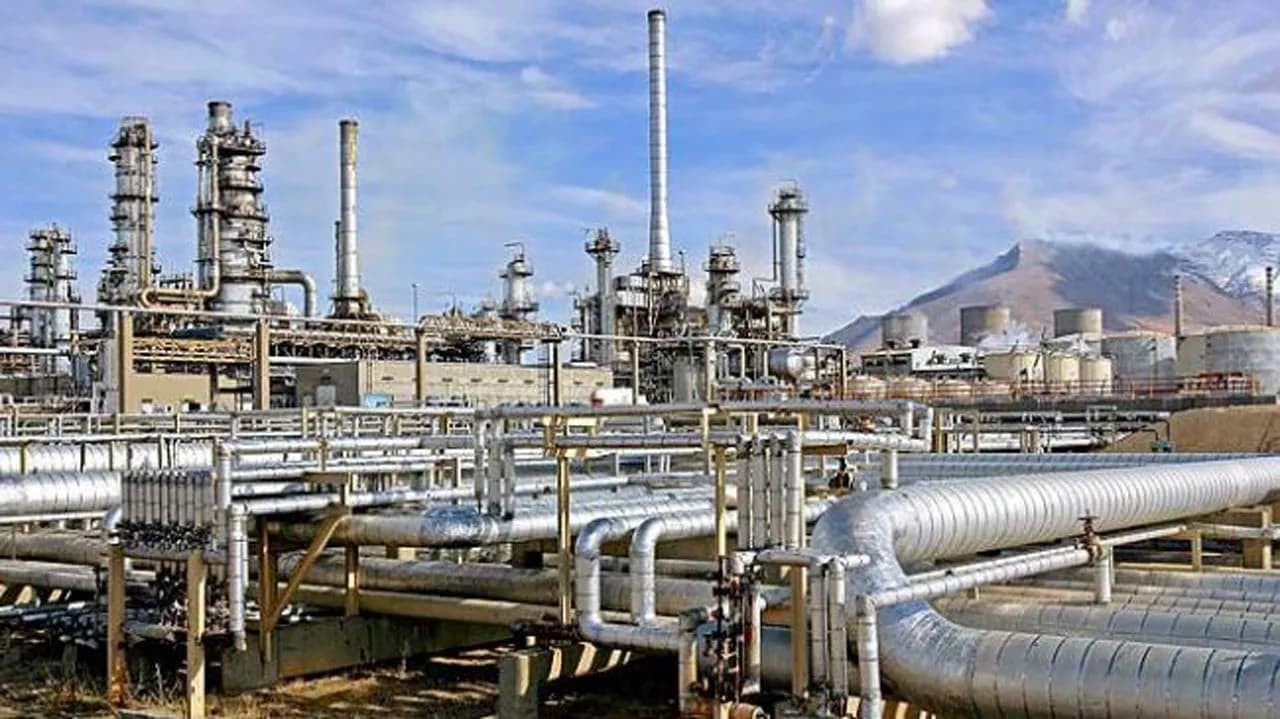
Nigeria’s crude oil sector is navigating a complex crisis, with government-owned refineries struggling to survive amid declining oil production and operational inefficiencies. The nation’s four major refineries Port Harcourt, Warri, and Kaduna are at the centre of this challenge, grappling with issues like inadequate crude supply, outdated infrastructure, and insufficient maintenance.
Current State of Nigeria’s Refineries
- Port Harcourt Refinery: Recently restarted operations at 60% capacity, processing 60,000 barrels per day (bpd). However, its full capacity of 210,000 bpd remains underutilised due to crude shortages.
- Warri and Kaduna Refineries: These facilities have faced delays in rehabilitation, with plans to resume operations by the end of 2024. Combined, they could add another 235,000 bpd of refining capacity if optimised.
Despite these efforts, domestic production challenges, including oil theft and vandalism, continue to hinder crude supply, exacerbating operational difficulties for these refineries.
Challenges Affecting Refinery Survival
- Crude Supply Deficit: Nigeria’s current production hovers around 1.2 million bpd, far below its peak of 2 million bpd. This shortage makes it difficult to allocate sufficient feedstock to domestic refineries while meeting export obligations.
- Regulatory Hurdles: Compliance issues with domestic crude supply obligations have left modular and state-owned refineries struggling for resources.
- Infrastructure Decay: Decades of neglect have left pipelines and processing units in poor condition, raising operational costs and reducing efficiency.
Strategies for Survival and Sustainability
- Adopting a Public-Private Partnership Model: Similar to the Nigerian Liquefied Natural Gas (NLNG) approach, stakeholders recommend transferring operational control to private entities while the government retains a minority stake. This model could improve efficiency and attract investments.
- Boosting Crude Supply: Addressing oil theft and vandalism, improving security, and increasing production are crucial to ensuring a consistent feedstock supply for refineries.
- Incentivising Modular Refineries: Expanding support for modular refineries through tax incentives and funding could enhance local refining capacity and reduce reliance on imports.
- Modernising Infrastructure: Investments in advanced refining technology and pipeline networks will lower operational costs and enhance capacity utilisation.
The Path Ahead
The Nigerian government has set ambitious targets to end fuel imports and improve local refining capacity. However, achieving these goals requires coordinated efforts to address regulatory gaps, operational inefficiencies, and crude supply bottlenecks. By prioritising these reforms, Nigeria can strengthen its energy security, reduce import dependency, and position its refineries for long-term sustainability.
This strategy, coupled with efficient management, could transform Nigeria into a net exporter of refined petroleum products, ensuring economic stability and resilience in the face of global oil market dynamics.