

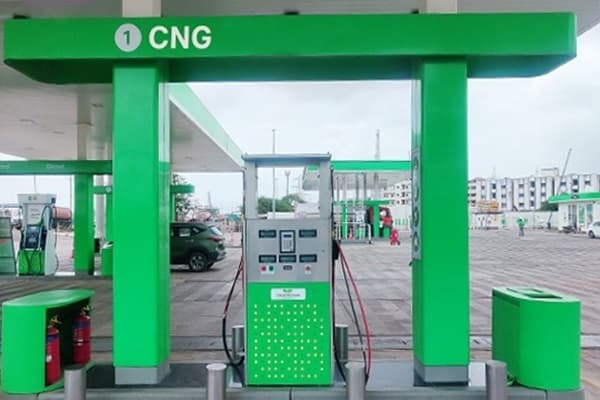
Nigeria’s compressed natural gas (CNG) market recorded prices ranging from ₦380 to ₦500 per standard cubic metre (scm) for vehicles, highlighting the cost range of an alternative transport fuel as the country continues to explore options for diversifying its domestic energy mix.
The figures, published in the MEMAN Energy Bulletin dated October 21, 2026, provide an indication of the prices motorists and transport operators may encounter in the CNG market. However, the bulletin does not specify the locations covered, individual refuelling stations or the factors responsible for the difference between the reported price points.
For Nigeria’s downstream petroleum market, CNG represents an alternative fuel option that could support efforts to broaden transport-energy choices. Its commercial attractiveness, however, depends not simply on the price per standard cubic metre but also on vehicle efficiency, fuel consumption, refuelling accessibility and the cost of acquiring or converting vehicles to use the fuel.
The reported price range is therefore a useful market reference, but it is not sufficient on its own to establish whether CNG is cheaper than petrol or diesel across all operating conditions. A meaningful comparison requires an assessment of the cost of travelling a given distance using each fuel, alongside vehicle-specific operating costs and the availability of refuelling infrastructure.
Infrastructure remains an important consideration in determining how effectively CNG can serve Nigeria’s transport sector. The availability and geographical spread of refuelling stations influence convenience for private motorists, commercial drivers and fleet operators. For businesses operating vehicles over long distances or on fixed routes, the location of refuelling facilities can be particularly important when assessing the operational viability of switching fuels.
The development of the market also presents considerations for energy companies and investors. Expanding CNG use requires coordination across the natural gas supply chain, including gas availability, processing, transportation, compression, distribution and retail dispensing. Reliable supply and commercially sustainable pricing will be important in building confidence among consumers and encouraging wider adoption.
For fleet operators, the decision to adopt CNG requires a broader cost-benefit assessment. In addition to the price of the fuel, businesses need to consider vehicle conversion or acquisition costs, maintenance requirements, refuelling time and the impact of infrastructure availability on daily operations. These factors will determine whether potential fuel-cost savings translate into meaningful reductions in total operating expenditure.
The reported prices also underline the importance of transparent market information. Regular publication of CNG prices by location, station and dispensing volume would give consumers a clearer picture of prevailing market conditions.
For industry stakeholders, the MEMAN figures provide a reference point for monitoring CNG pricing in Nigeria. However, further information on regional price differences, supply conditions, station coverage and comparative vehicle operating costs would be needed to establish the fuel’s competitiveness across different segments of the transport market.
As Nigeria evaluates a broader range of transport-fuel options, the long-term prospects for CNG will depend on the interaction between competitive pricing, dependable gas supply, accessible refuelling infrastructure and consumer confidence. These factors will be central to determining how effectively the fuel can complement existing petroleum products in the domestic energy market.