

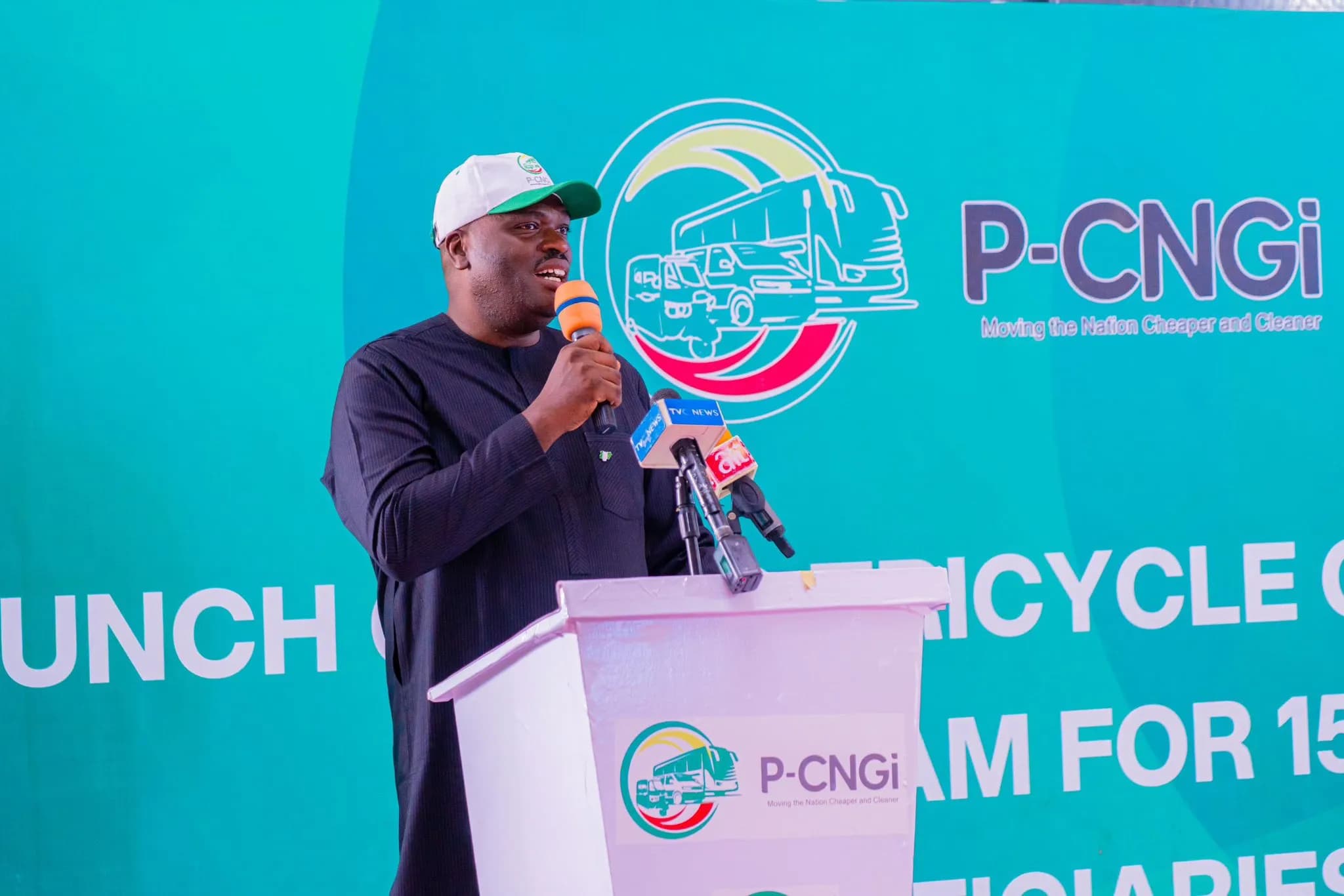
Nigeria’s Compressed Natural Gas (CNG) sector has secured over $980 million in private investments in just 18 months, according to Michael Oluwagbemi, Chief Executive Officer of the Presidential Compressed Natural Gas Initiative (PCNGI). Vehicle conversions have surged from 4,000 to nearly 100,000 units, marking unprecedented market adoption.
Strategic Launch in Abuja
Speaking at the commissioning of the Portland Gas Ltd/NASENI CNG Daughter Station, Auto Conversion, and Training Centre along the Kubwa Expressway in Abuja, Oluwagbemi hailed CNG as the country’s “fastest-growing energy segment,” driven by fiscal incentives and private sector dynamism.
Nationwide Expansion of CNG Facilities
From only five states with CNG infrastructure a year ago, Nigeria now operates in 20 states with more than 315 conversion centres. PCNGI targets 30 states plus the FCT with full coverage by the end of 2025, bolstering energy access and market penetration.
Industry Giants Back Autogas Transition
Oluwagbemi highlighted landmark investments, including BUA Group and Nigerian Bottling Company’s ₦720 billion commitment to CNG trucks and 100 fuelling stations. He urged policymakers to prevent diversion of automotive-grade CNG to power plants to ensure availability for transport operators.
Portland Gas Unveils Integrated Energy Hub
Portland Gas CEO, Folajimi Mohammed, described the new Kubwa site as a “full gas hub,” integrating auto conversion, training, refuelling, and LPG sales. He said PCNGI subsidies make conversions free for members of NARTO, NURTW, and e-hailing drivers.
NASENI Positions Hub as National Connector
NASENI DG, Khalil Halilu, noted the site’s strategic location linking northern and southern logistics corridors, predicting the elimination of long queues at CNG stations within two years.
Legislative Backing for Autogas Supply
The House of Representatives pledged legislative safeguards for the autogas sector. Speaker Tajudeen Abbas, represented by Alexander Mascut, stressed the importance of securing fuel supply to motorists during Nigeria’s energy transition.