

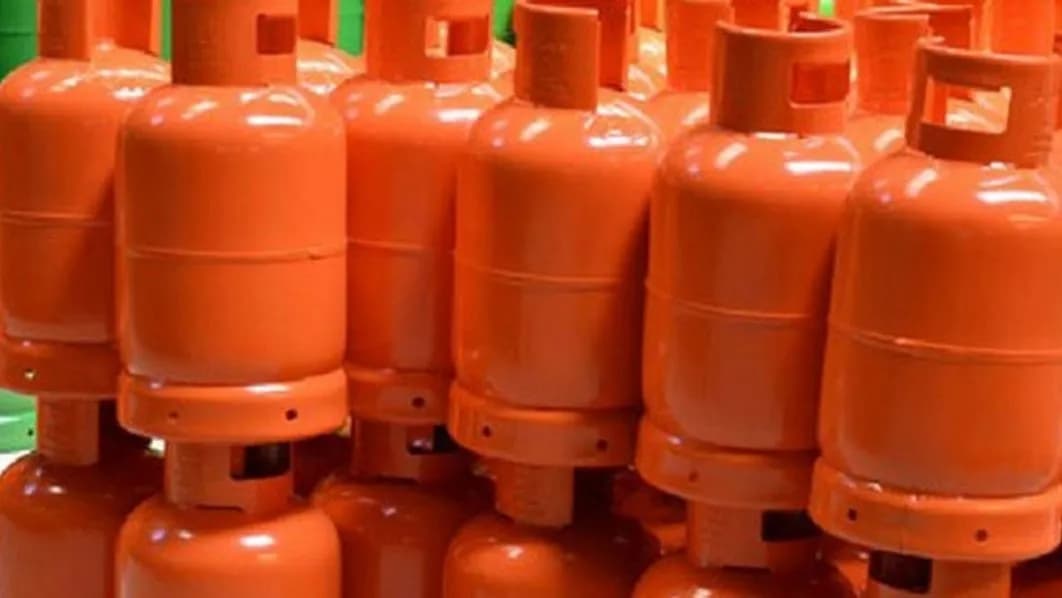
For once, Nigerians are getting a break in the kitchen. After months of battling high cooking gas prices that forced many families to cut down usage or return to firewood, the cost of refilling gas cylinders finally dropped last month.
According to the National Bureau of Statistics (NBS), the average price of a 5kg cylinder of cooking gas crashed by 21% in August 2025, bringing some relief to homes already stretched by inflation.
From ₦8,200 to ₦6,400: A Sharp Fall
The NBS report shows that a 5kg cylinder, which sold for about ₦8,243 in July, went down to ₦6,404 in August. That’s not just a small drop it’s the steepest single-month decline we’ve seen in a long while.
The bigger 12.5kg cylinder also followed the trend, sliding from ₦20,609 in July to ₦16,195 in August, representing a 21.42% fall.
Yes, the prices are still high compared to what Nigerians were used to a few years ago, but this dip is a real difference for families that depend on gas daily.
Why the Sudden Drop?
This sharp correction didn’t just happen by chance. A mix of factors played a role:
- More stable supply: Gas availability improved, both from imports and local sources, easing pressure on depots and retailers.
- Naira movements: With the naira holding firmer in August, importers paid less in foreign exchange, which translated into lower retail prices.
- Policy adjustments: The government’s tweaks whether in levies, tariffs, or subsidy cushions also helped soften costs for consumers.
- Market realities: Retailers, facing lower demand at July’s peak prices, may have cut margins to win customers back.
- Global influence: International LPG prices also dropped, and Nigeria, being import-dependent, felt the ripple effect.
So, while Nigerians are smiling at the pumps this month, the market dynamics remain fragile.
Who Paid More, Who Paid Less?
As usual, prices weren’t the same everywhere:
- Katsina, Taraba, and Rivers recorded the highest average costs for 5kg cylinders.
- Delta, Bauchi, and Borno had the cheapest rates.
- Zonal-wise, the North-West was most expensive, while the South-South offered the lowest average.
For 12.5kg cylinders, Yobe topped at nearly ₦16,900, while Benue had the lowest at ₦15,102.
This tells a familiar story, logistics costs, depot access, and local market structures still dictate how much Nigerians pay depending on where they live.
What It Means for Families
For ordinary Nigerians, this is not just a statistical drop; it’s food on the table. Many households that were forced to ration gas or switch to charcoal can now breathe easier. The fall in prices frees up money for other pressing needs like school fees and healthcare.
But there’s a warning here too: these gains might not last if government doesn’t fix the fundamentals. Without stable local production, heavy import dependence will continue to make LPG vulnerable to foreign exchange swings and global price shocks.
The Bigger Picture
This is where Nigeria’s Decade of Gas agenda comes in. If the country wants sustained relief for consumers, it must:
- Invest in domestic LPG processing plants.
- Expand storage and distribution networks to cut transport costs.
- Support policies that drive adoption in rural areas, where firewood remains dominant.
Lower gas prices are good news, but they also highlight why Nigeria must fast-track its gas infrastructure.
Final Take
Nigerians will gladly take this relief after all, every naira saved at the gas station counts. But the big question is: will it last?
The August dip should serve as a reminder that while short-term fixes bring smiles, only long-term investments in domestic gas production and distribution can guarantee affordable prices for all.
Until then, Nigerians will continue to watch the market nervously, hoping September doesn’t erase August’s small victory.