

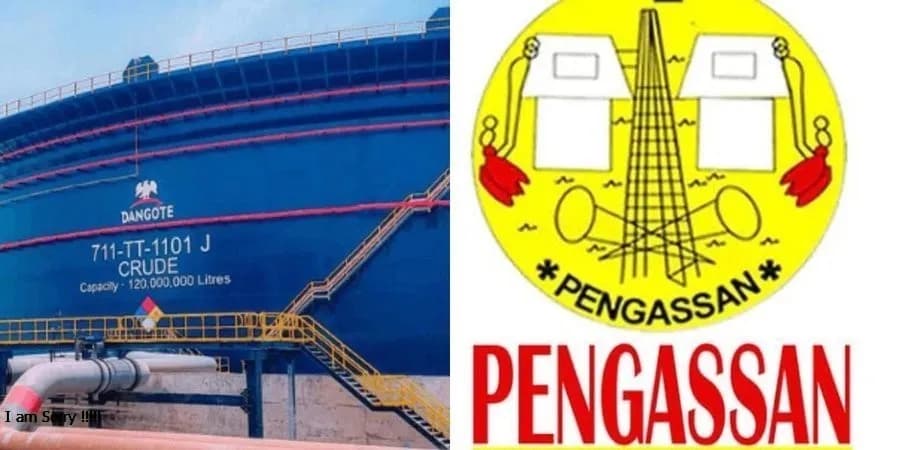
A Federal High Court in Abuja has stepped in to prevent the Petroleum and Natural Gas Senior Staff Association of Nigeria (PENGASSAN) and allied unions from disrupting gas supply to the Dangote Refinery, in a ruling that underscores the strategic importance of Nigeria’s largest private oil facility.
Safeguarding Energy Security
The injunction comes amid rising tension between labour unions and the refinery’s management, with fears that any disruption in gas supply could cripple operations and threaten Nigeria’s fragile energy stability. Gas serves as a critical feedstock for refining operations, powering both utilities and process units. A shutdown would not only stall production but also ripple through the petroleum supply chain, worsening fuel market volatility.
Why the Court’s Decision Matters
By restraining PENGASSAN and others, the court has effectively safeguarded a refinery that has become central to Nigeria’s hopes of reducing fuel imports and stabilising pump prices. Industry experts argue that uninterrupted operations at Dangote Refinery are vital for national energy security, given its role in producing petrol, diesel, aviation fuel, and other refined products at scale.
Balancing Labour Rights and National Interest
While labour unions often use strikes or shutdown threats as bargaining chips in industrial disputes, the court’s intervention signals a shift towards prioritising national economic stability over disruptive labour actions. Analysts note that the ruling does not silence union concerns but rather ensures disputes are resolved through dialogue without jeopardising critical infrastructure.
Looking Ahead
The Dangote Refinery, still in its early operational phase, has faced resistance from different interest groups, including marketers and unions. However, the latest court ruling strengthens its position as a national asset. The development is also a reminder that Nigeria’s Refining revolution will require not just private capital but also institutional support to thrive.
If effectively managed, the Refinery could become the backbone of West Africa’s fuel market, but only if labour relations, supply chains, and regulatory frameworks remain stable.