

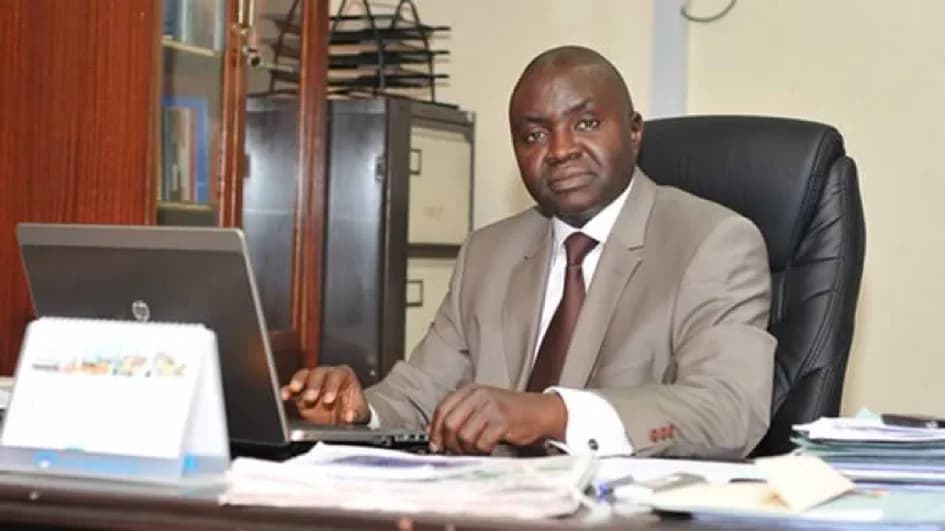
The Centre for the Promotion of Private Enterprise has urged the Federal Government to increase tariffs on imported petroleum products, arguing that stronger protection is needed to support domestic refining and improve energy security.
The organisation’s Chief Executive Officer, Muda Yusuf, made the recommendation in Lagos while responding to the 2026 Fiscal Policy Measures and Tariff Amendments. He said the current framework presents a mix of opportunities and risks, depending on how different sectors are positioned within the economy.
According to him, while the policy signals a shift towards local production and reduced import dependence, the absence of sufficient tariff protection for refined petroleum products leaves domestic refineries at a disadvantage.
Yusuf noted that higher duties on imported finished goods across sectors such as food, textiles, plastics, and metals, ranging between 20 and 70 percent—are expected to enhance the competitiveness of local producers by raising the cost of imports. He added that industries including agro-processing, light manufacturing, packaging, and metals could benefit through improved capacity utilisation.
However, he cautioned that businesses heavily reliant on imports may face rising costs, tighter margins, and reduced sales volumes as the new tariff structure takes effect.
Focusing on the downstream oil sector, Yusuf stressed that protective tariffs on imported fuel are essential to safeguard investments in local refining, stabilise energy supply, and conserve foreign exchange. He warned that without such measures, domestic refiners could struggle to compete with imported products.
Beyond petroleum, the CPPE also called for adjustments in other tariff areas. Yusuf recommended a reduction in duties on used vehicles below 2000cc engine capacity, noting that existing charges push effective rates above 50 per cent and limit access to mobility while constraining job creation in sectors such as ride-hailing and car rental services.
In the automotive sector, he proposed lower tariffs on semi-knocked-down and completely knocked-down vehicle components to encourage local assembly, alongside reduced duties and tax reliefs for mass transit buses to improve public transportation.
He further advocated lower import duties on renewable energy equipment, including batteries and inverters, suggesting a five per cent tariff and full value-added tax waiver to make alternative power solutions more affordable for households and small businesses.
Yusuf said the broader fiscal reforms represent a significant move towards economic restructuring and industrial growth, but emphasized the need for balanced implementation to support local industries while managing the impact on import-dependent sectors.