

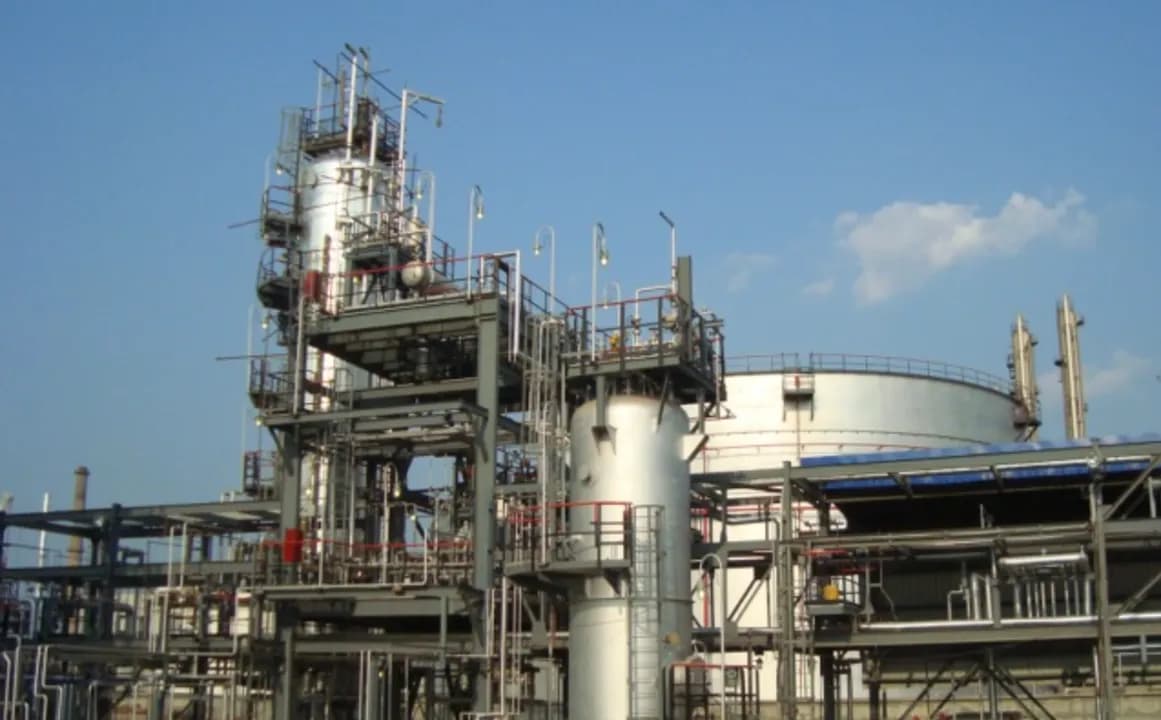
Crack C5, a vital component derived from the cracking process in refineries, plays a significant role in fuel production and industrial applications. Its use brings notable advantages and disadvantages across industries, the economy, and the environment. Additionally, ongoing technological improvements in refining processes are transforming how Crack C5 and related hydrocarbons are produced.
Advantages of Crack C5
1. Industrial Benefits
- Fuel Enhancement: C5 hydrocarbons are used to improve the octane rating of fuels like petrol, enhancing engine performance and reducing engine knock.
- Chemical Feedstock: C5 is a precursor for producing adhesives, synthetic resins, and rubber, supporting various industries such as automotive and construction.
2. Economic Contributions
- Increased Refinery Profitability: Crack C5 allows refineries to convert low-value heavy hydrocarbons into high-demand products, boosting overall profitability through better yield and market-driven product mixes.
- Support for Local Industries: By providing essential feedstock for petrochemical industries, Crack C5 helps create jobs and stimulate economic growth, particularly in regions with significant refining capacity.
3. Environmental Impact
- Cleaner Fuel Production: The production of high-octane, low-sulphur fuels using Crack C5 contributes to cleaner combustion, reducing vehicle emissions and supporting environmental regulations.
Disadvantages of Crack C5
1. Industrial Challenges
- Complex Processing: Handling and blending C5 hydrocarbons require precise control and specialised equipment, increasing operational complexity and costs.
- Safety Risks: The volatile nature of C5 hydrocarbons poses risks, including flammability and the potential for leaks in processing plants.
2. Economic Constraints
- Market Volatility: The profitability of Crack C5 is tied to fluctuating oil prices and demand for refined products, making it subject to economic uncertainties.
- High Capital Investment: Setting up advanced cracking units to produce C5 hydrocarbons involves significant financial investment, which can be a barrier for smaller refineries.
3. Environmental Concerns
- Carbon Emissions: While refining processes have improved, cracking still contributes to greenhouse gas emissions, necessitating further innovation to minimise environmental impact.
Technological Advances in Refining
1. Catalytic and Hydrocracking Innovations
Modern refineries are adopting catalytic and hydrocracking technologies to enhance efficiency. These methods use catalysts to break down heavy hydrocarbons more effectively, producing cleaner fuels with fewer by-products.
2. Digital and AI Integration
Refineries are leveraging artificial intelligence (AI) and digital monitoring systems to optimise cracking operations. AI-driven analytics help predict equipment maintenance needs and optimise product yields.
3. Sustainability Initiatives
New technologies focus on reducing carbon emissions and energy consumption. Innovations such as carbon capture and utilisation (CCU) are being integrated into refining processes to mitigate environmental impact.
Crack C5 continues to be a cornerstone of modern refining, with significant benefits for industries and the economy. While challenges remain, ongoing technological improvements promise a more sustainable future for fuel production. As the oil and gas sector evolves, the role of Crack C5 in supporting energy efficiency and environmental goals will be pivotal.