

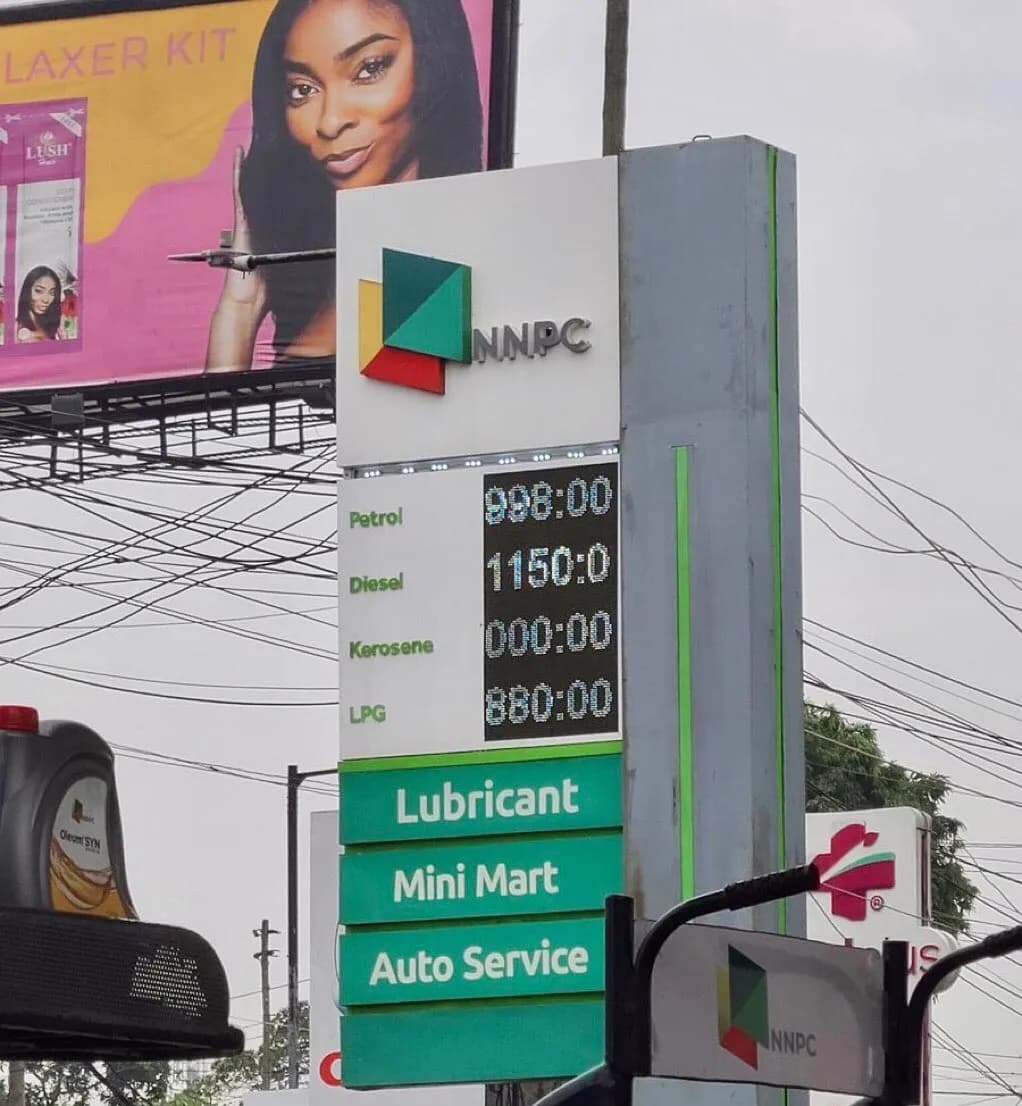
The ongoing fuel crisis, compounded by cross border smuggling and the intricacies of the nation’s energy sector, continues to plague citizens. With petrol prices soaring, experts call for reforms to ease the burden and curb illegal trade.
In recent months, Nigeria has been grappling with a significant petrol price hike, which many experts attribute to the pervasive issue of cross-border smuggling. This economic strain on everyday Nigerians is further exacerbated by a growing disconnect between official data on petrol consumption and the reality on the ground.
Dr. Wisdom Enang, an oil and gas expert, voiced his concerns during a discussion on the implications of the drop in petrol imports, as highlighted by recent data from S&P Global Commodity Insights.
According to their findings, the weekly petrol import figures, which averaged 1.3 million barrels in August, have plummeted to less than a million barrels in early October. This decline, while initially seen as a positive move towards reducing the nation’s dependence on petrol imports, raises questions about Nigeria’s actual fuel consumption.
Dr. Enang was quick to point out that Nigeria’s official consumption figures around 50 million litres of petrol per day appear inflated. According to him, the actual consumption might be closer to 31.5 million litres when accounting for both domestic production and imports. This discrepancy suggests a significant portion of the country’s fuel supply is being siphoned off through illegal smuggling operations, particularly across Nigeria’s porous borders.
“Nigeria’s fuel consumption doesn’t add up when you compare the figures,” Dr. Enang noted. “We need to reassess the impact of smuggling and its effect on fuel pricing. Smuggling operations create an artificial demand, pushing up prices and placing an unnecessary financial burden on consumers.”
The federal government has struggled for years to tackle smuggling, but the challenges remain daunting. Dr. Enang emphasised the need for stronger enforcement measures, including the use of advanced tracking technology and a robust task force to monitor fuel distribution. “It’s not just about technology; it’s about having the right people and processes in place,” he said.
The ongoing crisis has renewed discussions around alternative energy sources. The Lagos Chamber of Commerce and Industry (LCCI), among other stakeholders, has advocated for the adoption of compressed natural gas (CNG) as a more economical and sustainable alternative to petrol. Nigeria is rich in natural gas reserves, and many believe that accelerating the shift towards CNG could help alleviate some of the pressure on the energy market.
However, the transition to CNG is not without its challenges. While it is seen as a viable option for heavy-duty vehicles and trucks, there are concerns about its practicality for smaller vehicles. Drivers have voiced reservations about the ease of use, particularly in terms of refuelling and maintenance.
“CNG is a great option, especially for industrial use and transportation, but we need to ensure that the infrastructure is in place to support a large scale rollout,” Dr. Enang said. “We have the resources; now it’s about execution.”
In parallel, renewable energy sources such as solar and wind are also being touted as long-term solutions. Countries like Norway, where 90% of cars sold are electric, offer a glimpse of what the future could hold for Nigeria, should the government and private sector make a concerted effort to invest in green energy.
The much anticipated Dangote Refinery, which is expected to produce between 15 and 25 million litres of petrol per day, has been lauded as a potential game changer for Nigeria’s energy sector. While the refinery is yet to reach its full capacity, its ability to supply domestically refined fuel could significantly reduce the need for imports and, in turn, lower fuel prices.
However, experts warn that the refinery alone won’t solve all of Nigeria’s fuel woes. Dr. Enang pointed out that for the refinery to have a meaningful impact, the government must also address issues within the entire petroleum value chain, from refining to distribution.
“The Dangote Refinery is a positive step, but it’s only part of the solution. We need to streamline the entire process, eliminate inefficiencies, and ensure that the benefits reach the average Nigerian,” he said.
Perhaps the most significant obstacle to stabilising Nigeria’s fuel market is the deeply entrenched smuggling operations. Fuel is often sold at a lower price domestically compared to neighbouring countries, making Nigeria an attractive source for illicit fuel exports.
Efforts to curb this illegal trade have had limited success, partly due to a lack of coordination between various government agencies and the complexities of enforcing laws along Nigeria’s extensive borders. The Independent Petroleum Marketers Association of Nigeria (IPMAN) has established a task force to tackle smuggling, but experts remain sceptical about its ability to dismantle the vast smuggling networks.
Dr. Enang stressed the importance of a holistic approach to tackling smuggling. “We need to create disincentives for smuggling by ensuring that fuel prices are harmonised across the region. At the same time, we must hold those involved in smuggling accountable and enforce strict penalties.”
As Nigeria navigates this critical juncture, the need for decisive action on fuel smuggling, market regulation, and alternative energy adoption has never been more urgent. Without a concerted effort to address these issues, Nigerians will continue to bear the brunt of soaring fuel prices and economic uncertainty.
The government’s recent moves towards deregulation and the potential benefits of the Dangote Refinery are steps in the right direction. However, long-term stability will require a clear strategy that encompasses energy security, market competitiveness, and environmental sustainability.
For now, Nigerians are left hoping for swift and meaningful reforms that will alleviate the current crisis and pave the way for a more secure and prosperous future.