

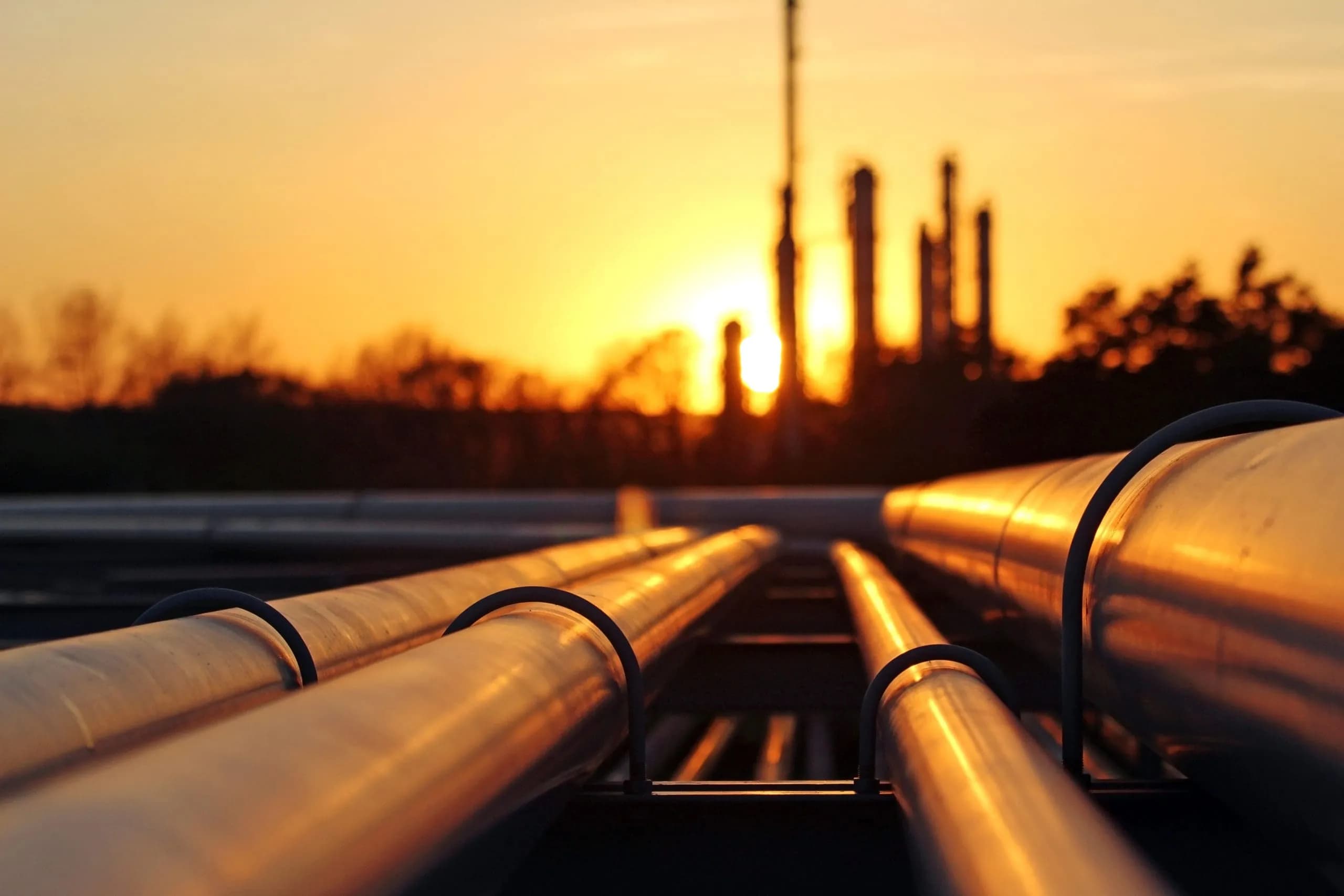
Nigeria, Africa’s largest oil producer, relies heavily on the extraction and refining of crude oil to sustain its economy. Despite the vast reserves, Nigeria faces significant challenges in transforming crude oil into refined products, meeting domestic demand, and maximising economic benefits.
The Transformation Process in Nigeria
- Upstream Activities
Nigeria’s upstream sector involves locating and extracting crude oil, primarily from the Niger Delta and offshore fields. Key players include the Nigerian National Petroleum Company Limited (NNPCL) and international oil companies (IOCs). The extracted crude is often transported to export terminals or refineries through pipelines. - Midstream Operations
Crude oil is transported via pipelines and tankers to refineries like Dangote Refinery and the four state-owned refineries in Warri, Kaduna, and Port Harcourt. However, ageing pipeline infrastructure poses significant risks of spills and theft, reducing operational efficiency. - Refining and Distribution
In Nigeria, refining involves:- Distillation: Separating crude into components like petrol, diesel, and kerosene.Hydrotreating: Removing impurities to meet quality standards.Catalytic Cracking: Breaking down heavy hydrocarbons into lighter products.

Challenges Specific to Nigeria
- Ageing Infrastructure
Most of Nigeria’s pipelines and state-owned refineries are over 40 years old, leading to frequent breakdowns, oil spills, and theft. These inefficiencies cost the country billions annually in lost revenue. - Dependence on Imports
Despite being an oil-rich nation, Nigeria imports the majority of its refined petroleum products due to inadequate refining capacity only just recently due to the emergence of Dangote Refinery and other modular refineries that this trend is about to change. This dependence exposes the country to foreign exchange fluctuations and global price volatility. - Environmental Degradation
Oil spills and gas flaring have caused severe environmental damage in the Niger Delta, affecting agriculture, water quality, and local livelihoods. Regulatory enforcement remains weak, exacerbating these issues. - Skilled Labour Deficit
The lack of locally trained experts in advanced refining techniques forces reliance on foreign contractors, increasing operational costs.
Opportunities for Improvement
- Operationalising New Refineries
The Dangote Refinery and modular refineries hold promise for boosting domestic refining capacity, reducing import dependence, and creating jobs. These facilities can transform Nigeria into a net exporter of refined products. - Upgrading Infrastructure
Investment in pipeline rehabilitation and modernisation of state-owned refineries is critical to reducing losses and improving efficiency. The NNPCL’s efforts to secure partnerships for refinery upgrades are steps in the right directions. - Technology Adoption
Advanced refining technologies, such as ultrasonic treatment and real-time monitoring, can enhance efficiency, minimise waste, and reduce environmental impact. - Policy Reforms
Effective implementation of the Petroleum Industry Act (PIA) can attract investments, strengthen regulatory frameworks, and promote local content in refining and infrastructure projects.
Crude oil transformation in Nigeria is a complex but vital process that underpins the nation’s economy. While significant challenges persist, strategic investments in infrastructure, technology, and policy reforms offer a pathway to improved efficiency, reduced dependence on imports, and enhanced economic growth. The Dangote Refinery and other initiatives signal a promising future for Nigeria’s oil and gas sector.