
Muktar Mohammed, CEO of Asher Dynamic, has weighed in on Nigeria’s recent decision to sell crude oil in Naira to Dangote and other local refiners.
Speaking on Plus TV’s Business Insights on Monday, October 7, 2024, Mohammed addressed several issues surrounding this development, as well as broader economic reforms, particularly focusing on crude sales, currency stability, and the tax reforms recently enacted by the Federal Government.
Mohammed highlighted the potential impact of selling crude in naira, pointing out that 40% of foreign exchange demand in Nigeria comes from importing refined petroleum products. “If we can reduce that demand by selling crude in naira, it will definitely ease the pressure on the naira,” he stated. He emphasised that while this could stabilise the currency in the short term, the trade-off might be felt in the country’s foreign exchange reserves, as selling in naira instead of dollars could lead to a reduction in reserve levels.
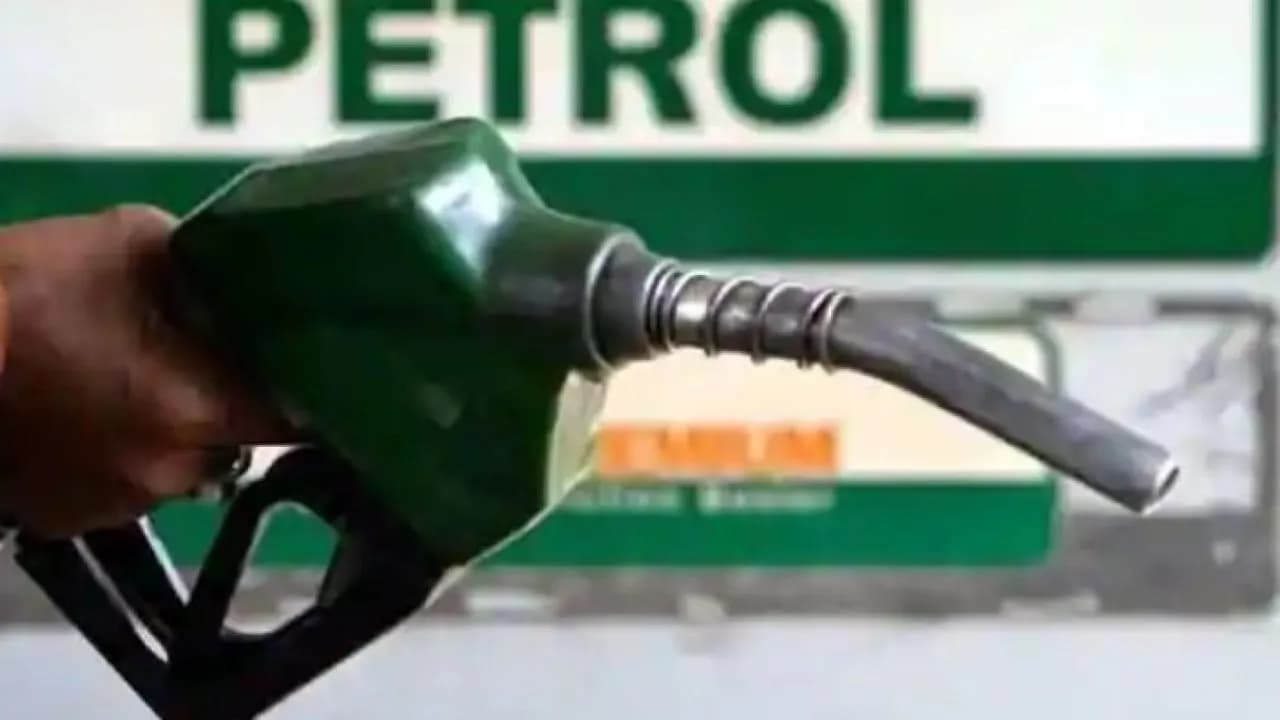
On the question of petrol prices, which remains a pressing concern for many Nigerians, Mohammed cautioned that prices may not decrease immediately. “The immediate concern should be availability—making sure there’s enough supply so we don’t have to queue for fuel,” he said, noting that Dangote currently holds a near-monopoly as the only local refiner for petrol. However, he expressed optimism that as more refineries come online and as NNPC begins its local refining operations, competition could lead to price reductions. The exchange rate at which crude oil is sold would also play a critical role, with Mohammed stressing the importance of the fixed exchange rate attached to the crude sale agreements.
“The agreement to sell crude in naira comes with a fixed exchange rate, which is different from the usual willing buyer, willing seller model,” Mohammed explained. He pointed out that the unknown fixed rate would heavily influence petrol prices, and depending on its favourability, Nigerians could see some relief at the pumps. However, he cautioned that “availability is key for now,” adding that reducing costs associated with shipping and handling could also help lower fuel prices.
In a shift to the government’s recent tax reforms, Mohammed praised the decision to exempt 63 items from Value Added Tax (VAT), especially for its positive impact on the oil and gas sector. “Exempting items like LPG, steel, and gas generators from VAT is a good move. This could lead to a reduction in the price of cooking gas, which has skyrocketed recently,” he said. He estimated that prices for cooking gas could drop by 10%, providing some much-needed relief for household budgets across the country.
When asked about the inclusion of electric vehicles in the VAT exemption list, Mohammed expressed cautious optimism but also pointed out that Nigeria lacks the necessary infrastructure to support a widespread shift to electric vehicles. He saw greater potential in compressed natural gas (CNG) buses, suggesting that their introduction could significantly reduce transportation costs, offering a much-needed boost to the economy.
Finally, Mohammed touched on the government’s ambitious plans to create 1 million jobs in the digital economy, acknowledging its potential but stressing the need for proper planning and execution. “Nigeria’s digital economy is one of the most vibrant in Africa, but like many government announcements, we often lack proper execution,” he observed. Mohammed urged the government to ensure that these policies translate into tangible results, especially as recent data shows that 133 million Nigerians live below the poverty line. “If we can create middle-class jobs in the digital sector, it could be transformative for our economy,” he said.
While there are challenges ahead, especially in the areas of availability and competition in the petroleum sector, there are also glimmers of hope if Nigeria can execute its policies effectively and focus on long-term solutions.
In his final thoughts, Mohammed stated, “As long as we focus on availability, competition, and proper execution, things can improve.”