

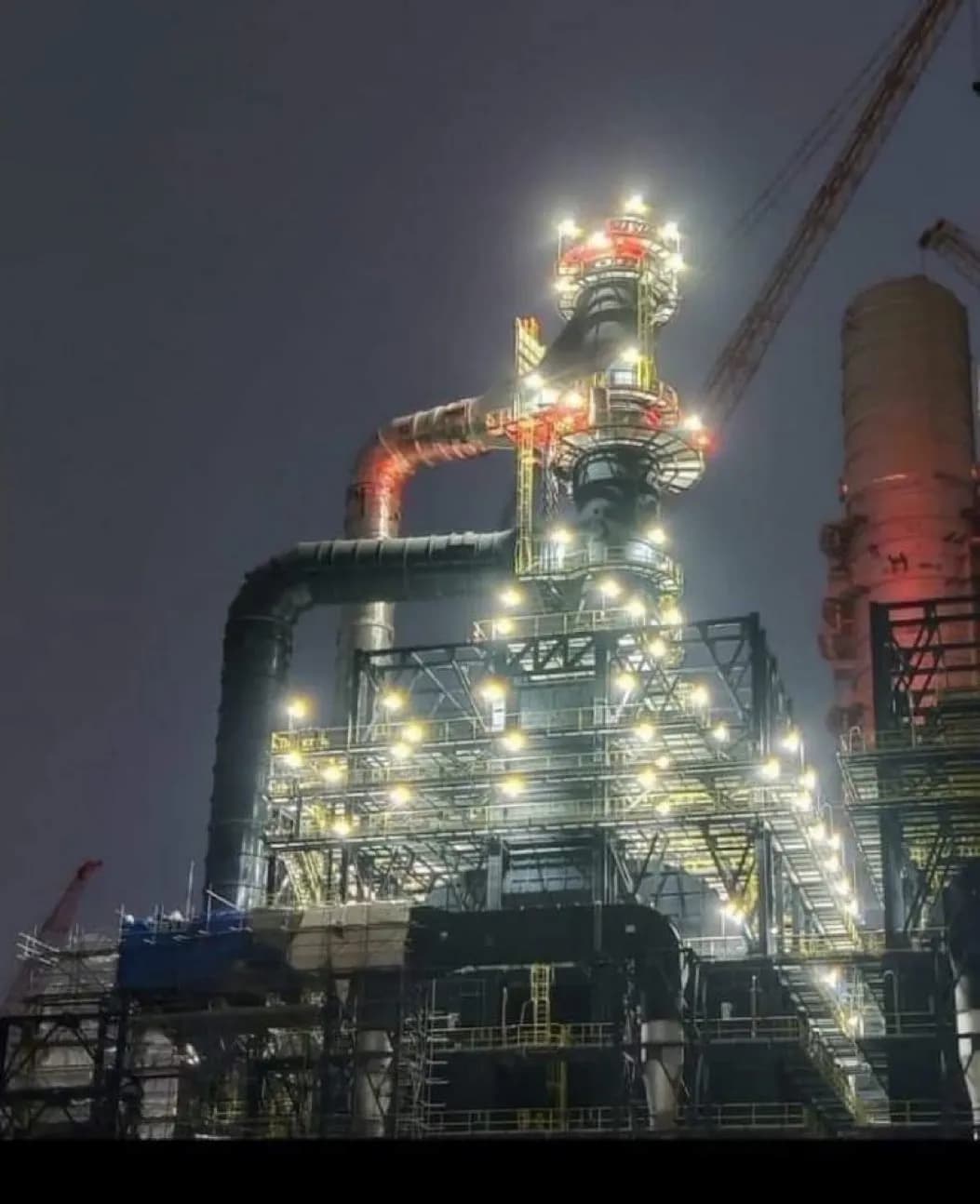
The Nigerian petroleum sector is undergoing a seismic transformation as competition among Dangote Refinery, the Nigerian National Petroleum Company Limited (NNPCL), and independent fuel importers intensifies. This dynamic contest has introduced unprecedented transparency, stabilised supply chains, and reshaped consumer experiences, marking a significant milestone in Nigeria’s downstream petroleum market.
Price Dynamics: From Depot to Retail
- Dangote Refinery
- Depot Price: Dangote Refinery’s depot price for Premium Motor Spirit (PMS) stands at approximately ₦970 per litre, leveraging its local refining capacity to offer competitive rates below imported alternatives.
- NNPCL
- Depot Price: With operational support from the Port Harcourt Refinery and partnerships with Dangote Refinery, NNPCL maintains depot prices between ₦940 and ₦960 per litre.
- Retail Price: Consumers pay between ₦1,015 and ₦1,040 per litre at NNPCL outlets, benefiting from stable nationwide supply and pricing.
- Independent Importers
- Landing Cost: The Major Oil Marketers Association of Nigeria (MOMAN) estimates the landing cost of PMS at about ₦900 per litre, influenced by crude oil prices and fluctuating foreign exchange rates, same is the outcome of Independent Marketers though with slight difference.
- Depot Price: Independent importers set depot prices from ₦970 to ₦1,030 per litre, depending on logistics and location.
- Retail Price: At the pump, prices range from ₦1,010 to ₦1,020 per litre, often reflecting higher logistical costs.
How Competition is Reshaping the Market
- Pricing Transparency
For the first time in decades, Nigeria’s petroleum pricing has become predictable. Arbitrary price spikes are increasingly a thing of the past, with players compelled to maintain transparency to stay competitive. - Supply Chain Stability
With Dangote Refinery and NNPCL ramping up local production, Nigeria’s dependence on imported fuels has diminished. This stabilised supply chain curbs market shortages and reduces smuggling activities. - Challenges for Importers
Independent marketers, who once dominated the sector, now face pressure to align with local refiners’ pricing strategies. This shift has introduced new hurdles, particularly as foreign exchange constraints and global crude price fluctuations persist.
Impact on Consumers and the Economy
- Lower and Stable Fuel Prices
The price competition among these three players ensures that Nigerians pay fairer prices for petrol, shielding consumers from exploitative hikes. - Improved Fuel Quality
Locally refined products, adhering to international standards, guarantee better value and efficiency for consumers. - Economic Growth and Independence
The reduced reliance on fuel imports alleviates pressure on Nigeria’s foreign exchange reserves. Moreover, local refining operations support domestic job creation, stimulate investment in infrastructure, and boost overall economic resilience.
The Path Forward
The “three-horse price race” is ushering in a more competitive and consumer-friendly energy sector. With Dangote Refinery spearheading local production, NNPCL leveraging its infrastructure, and independent marketers adapting to changing dynamics, Nigeria is on a trajectory towards energy self-sufficiency.
As local refining capacity grows and infrastructure expands, Nigerians can anticipate a modernised petroleum sector defined by transparency, efficiency, and sustained affordability. This transformative competition is not only reshaping market dynamics but also laying the foundation for long-term economic prosperity.