

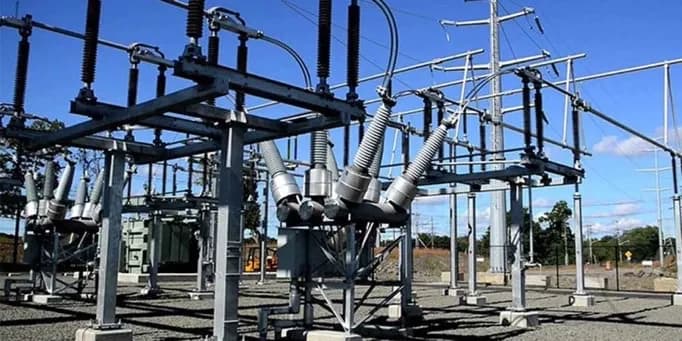
Several prominent companies in Nigeria have opted out of relying on the national power grid due to frequent and prolonged power outages. This decision affects over 200 firms, including industry giants like Dangote Group, Nigerian National Petroleum Corporation (NNPC), Total, and approximately 250 other manufacturers and academic institutions.
Reasons for Grid Abandonment
The consistent collapses of Nigeria’s national grid stem from aging infrastructure, insufficient maintenance, inadequate investments in the power sector, and incidents of vandalism targeting power facilities. These issues have disrupted business operations and caused delays in essential services like healthcare.
Private Power Generation Surpasses National Grid
Private electricity generation has risen sharply as a response to these challenges. These independent power plants now collectively produce over 6,500 megawatts (MW) of electricity, surpassing the national grid’s output range of 4,500 to 5,000 MW. This development underscores the reliability issues plaguing the national grid and the growing trend of companies seeking alternative power sources.
Impact on Economic Activities
The shift towards self-generated power has significant implications for Nigeria’s economic landscape. Companies that have invested in captive power plants, including MTN Nigeria, Shell, Nigerian Breweries, and Lafarge Cement, among others, are ensuring more stable electricity supply for their operations. This move aims to mitigate the negative effects of unreliable grid electricity on productivity and operational costs.
Government Response and Challenges Ahead
Despite efforts by the Ministry of Power to investigate and address grid failures, such as establishing an investigative committee, challenges persist. Issues like the recent vandalism of the Shiroro-Kaduna-Mando transmission line in October 2024 highlight ongoing security concerns and infrastructure vulnerabilities. These factors continue to contribute to the grid’s instability and hinder efforts to improve electricity supply nationwide.
Future Outlook
Stakeholders have emphasized the need for comprehensive reforms in Nigeria’s power sector to enhance grid reliability and meet growing energy demands. The rise in private power generation underscores a critical shift towards decentralized energy solutions, including renewable sources like solar power. Addressing these challenges will be crucial for Nigeria to achieve sustainable economic growth and ensure reliable electricity access for its citizens.