

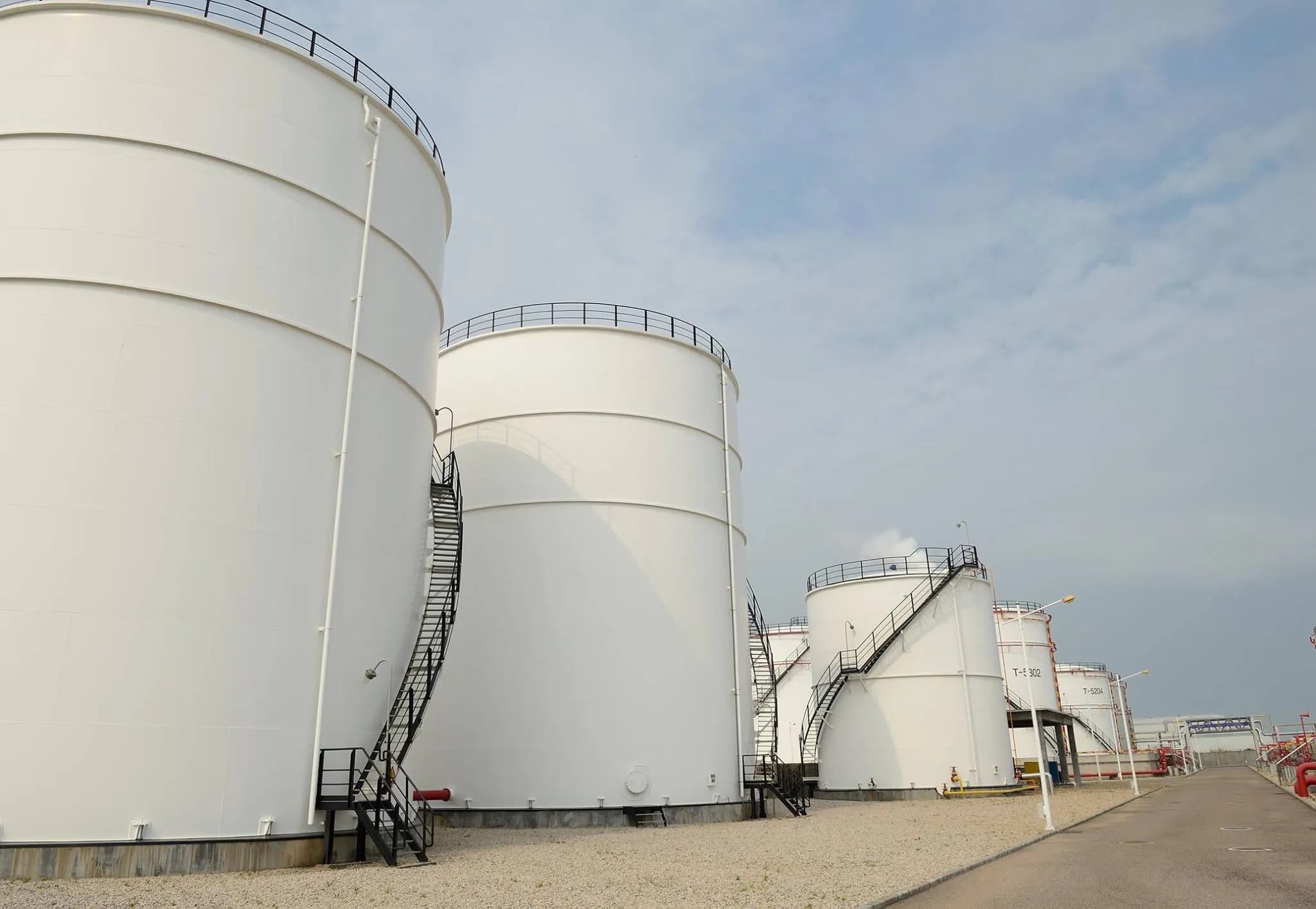
The Nigerian oil and gas sector is witnessing a fierce competition as Dangote Refinery and depot owners engage in a pricing battle. This tussle is reshaping the downstream market, with both parties vying for dominance in the distribution of Premium Motor Spirit (PMS) and Diesel (AGO).
Dangote Refinery’s Pricing Strategy
Dangote Refinery has positioned itself as a disruptor in the market by revealing its ex-depot prices ₦960 per litre for sales into ships and ₦990 for trucks. These prices, benchmarked against international rates, aim to offer transparency while ensuring competitiveness. However, depot owners and marketers argue that imported petrol remains cheaper, with landing costs at ₦978 per litre as of October 2024.
Depot Owners Push Back
Depot owners, represented by associations like DAPMAN and MEMAN, accuse Dangote Refinery of attempting to monopolise the market by leveraging concessions granted during its construction. IPMAN has announced plans to import petrol independently, aiming to sell at prices lower than Dangote’s rates. This initiative, expected to launch by December 2024, hinges on regulatory approvals and access to foreign exchange.
Quality and Transparency Concerns
The conflict has extended beyond pricing to include product quality. Dangote Refinery has alleged that some marketers plan to import substandard products to undercut its pricing. In response, marketers have dismissed these claims as attempts to stifle competition. PETROAN insists that its planned imports will meet high-quality standards.
Implications for the Nigerian Market
The price war highlights broader issues in Nigeria’s downstream sector, including supply chain inefficiencies and regulatory challenges. While Dangote Refinery aims to stabilise local fuel production, it currently cannot meet national demand, estimated at 66 million litres per day. As a result, fuel imports remain a necessity, sustaining the role of depot owners in the market.
Government’s Role
The federal government, under President Bola Tinubu, has advocated for a liberalised downstream market to foster competition and protect consumers. Initiatives to rehabilitate state-owned refineries and encourage private-sector participation are part of this strategy. However, achieving a balance between competition and monopolistic tendencies remains a challenge.
The ongoing competition between Dangote Refinery and depot owners is reshaping Nigeria’s fuel market, with significant implications for pricing, quality, and supply dynamics. As the battle unfolds, the focus will remain on creating a fair, competitive market that benefits consumers and strengthens Nigeria’s energy independence.
This developing story reflects the complexities of transitioning to a deregulated market while addressing the interests of various stakeholders. Further updates will explore how these dynamics evolve in the coming months.