

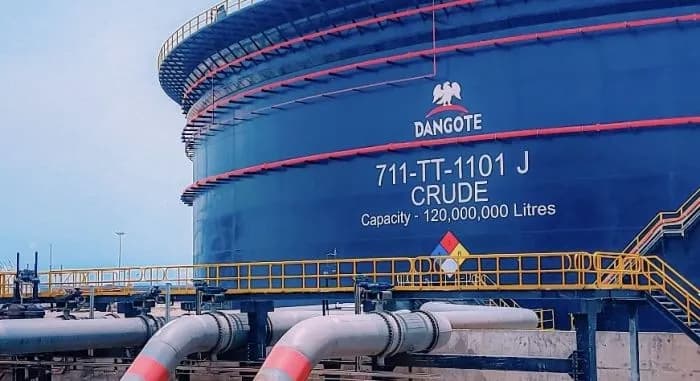
Dangote Petroleum Refinery has reaffirmed that union membership among its employees is a voluntary choice, not an obligation. The clarification, issued in a statement on Wednesday, comes amid growing tensions with the Nigeria Union of Petroleum and Natural Gas Workers (NUPENG). The company stressed that its practices align with Nigeria’s Constitution and International Labour Organisation conventions, which guarantee workers the right to freely associate.
Addressing Allegations
Responding to NUPENG’s claims that some workers, particularly drivers, were pressured into avoiding union membership, the refinery described the accusations as “unfounded and misleading.” The company noted that it has never barred employees from joining recognised unions, insisting that workers’ decisions on affiliation remain personal and independent.
Industry Relations and Dialogue
The refinery highlighted its existing cooperative relationship with trade unions, including NUPENG, pointing to the provision of office space and access for dues collection within its facility. It urged the union to focus on resolving internal disputes with its Petrol Tanker Drivers unit instead of “embroiling the refinery in its conflicts.” Additionally, the firm expressed support for mediation efforts led by the Ministry of Labour and encouraged constructive engagement over confrontation.
Workforce Welfare and New Investments
Positioning itself as Nigeria’s largest private-sector employer, Dangote Industries underscored its commitment to workforce welfare, safety, and career growth. Through its Compressed Natural Gas (CNG) truck scheme, drivers reportedly earn packages three times higher than the national minimum wage, alongside pensions, medical cover, housing benefits, and loans.
The N720bn investment into 10,000 CNG-powered trucks, the company explained, is expected to cut logistics costs, create 60,000 direct jobs, and support Nigeria’s energy transition plan under President Bola Tinubu’s economic recovery agenda.
Shifting Nigeria’s Energy Landscape
Since the refinery’s commissioning a year ago, Dangote said Nigeria has moved from being Africa’s largest importer of refined fuel to a net exporter, with shipments reaching as far as the United States. Beyond fuel, the facility produces by-products such as polypropylene, base oils, and jet fuel boosting downstream sectors including plastics, aviation, lubricants, and agro-processing.
Tackling Monopoly Concerns
On recurring accusations of monopoly, the company dismissed the narrative as “recycled falsehoods.” It argued that the real challenge lies in the reluctance of other investors to commit to Nigeria’s industrial growth, while it continues to take bold steps in energy and logistics.
“We have chosen to invest boldly in Nigeria’s future and we will continue to do so. It is time others follow suit,” the statement declared.