

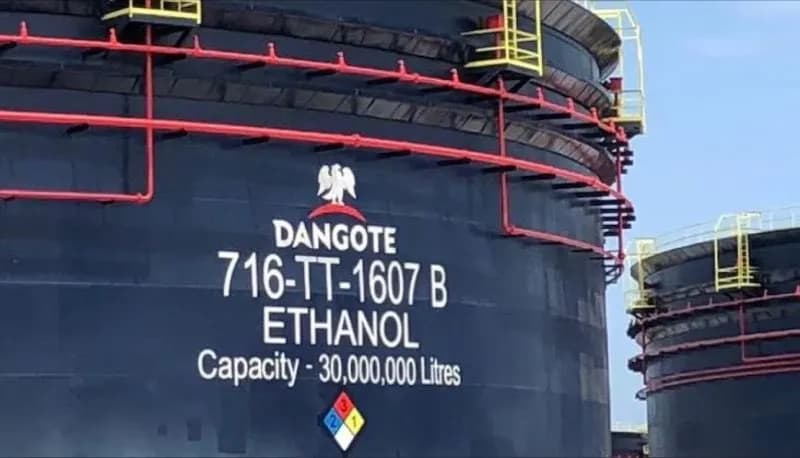
Despite its potential to transform Nigeria’s energy sector, the Dangote Refinery is facing significant hurdles that limit its ability to meet local fuel demands. With an installed capacity of 650,000 barrels per day (bpd), the refinery is currently operating at only about 300,000 bpd, sparking concerns about its readiness and long-term strategy.
Production Constraints
The refinery’s current output of 300,000 bpd is far below the projected capacity. This shortfall means that the refinery cannot meet Nigeria’s daily petrol consumption, estimated at around 66 million litres. As a result, Nigeria still depends on fuel imports to bridge the supply gap, despite hopes that the refinery would drastically reduce this reliance.
Crude Supply Issues
A major bottleneck is the refinery’s crude supply strategy. Dangote Refinery does not own its oil wells and relies on third-party suppliers, exposing it to global market fluctuations and logistical challenges. Experts argue that backward integration where refineries own upstream assets like oil wells would have guaranteed a steady crude supply.
“Building a refinery of this scale without securing crude oil sources years in advance was a strategic misstep,” said a downstream industry analyst. “This issue could have been addressed during the refinery’s development phase, ensuring uninterrupted production post-launch.”
Pending Supply Contracts
Adding to the challenges are pre-existing crude supply contracts that suppliers must fulfil before diverting oil to Dangote. This delay further restricts the refinery’s operational capacity and ability to fully serve the Nigerian market.
A Temporary Need for Imports
Given these constraints, Nigeria’s dependency on imported petrol remains unavoidable. While the refinery is expected to ramp up operations gradually, experts caution against overestimating its short-term impact. “For now, imports are essential to meet demand, as the refinery’s current output cannot fill the gap,” said an industry insider.
Lessons for the Future
The Dangote Refinery’s challenges highlight the importance of strategic planning in large-scale projects. Backward integration, such as acquiring oil wells, is crucial for securing long-term supply and operational stability. As Nigeria continues to seek energy independence, the refinery’s experience offers valuable lessons on the need for comprehensive planning and execution.
While the Dangote Refinery holds immense promise for Nigeria’s energy sector, its current limitations underline the complexities of transitioning from reliance on imports to domestic production. Overcoming these hurdles will require strategic adjustments, including scaling production capacity and securing reliable crude supplies. Until then, imports will remain a critical component of Nigeria’s fuel supply chain.