

Nigeria’s capital market is bracing for a major boost as the Dangote Petroleum Refinery moves closer to launching what could become Africa’s largest initial public offering, with plans to raise up to $5bn from investors.
The offer, expected to open as early as May, is already attracting strong interest, with analysts valuing the refinery between $40bn and $50bn, positioning it as one of the most significant listings in the continent’s history.
Between five and ten per cent of the company’s equity is expected to be offered to the public, creating an opportunity for both local and international investors to participate in the massive refining project.
Market stakeholders say the listing could deepen liquidity on the Nigerian Exchange and expand investment participation across African markets, especially as cross-border capital flows continue to gain traction.
To ensure a smooth rollout, the Dangote Group has appointed key financial advisers, with Stanbic IBTC Capital handling international placements, Vetiva Capital leading retail distribution, and FirstCap focusing on institutional investors such as pension funds.
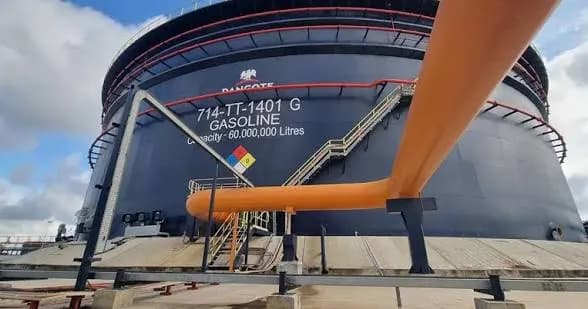
The refinery, located in the Ibeju Lekki Free Zone, is the world’s largest single-train facility, built at a cost of $20bn. It currently processes about 650,000 barrels of crude oil per day and continues to ramp up production.
Operations at the plant have begun to reshape fuel supply across Africa, with increasing exports to regional markets and a growing role in easing supply pressures across the continent.
Beyond fuel production, the facility also produces about three million metric tonnes of urea annually, with ongoing plans to expand into polypropylene to support manufacturing industries.
As production scales, the refinery is expected to strengthen Nigeria’s external earnings, with projections showing a potential $5.5bn boost in foreign exchange and a 1.5 per cent increase in non-oil GDP.
With regulatory approvals underway and a listing window projected between June and July, the planned IPO is widely seen as a defining moment that could reshape Africa’s capital market landscape.