

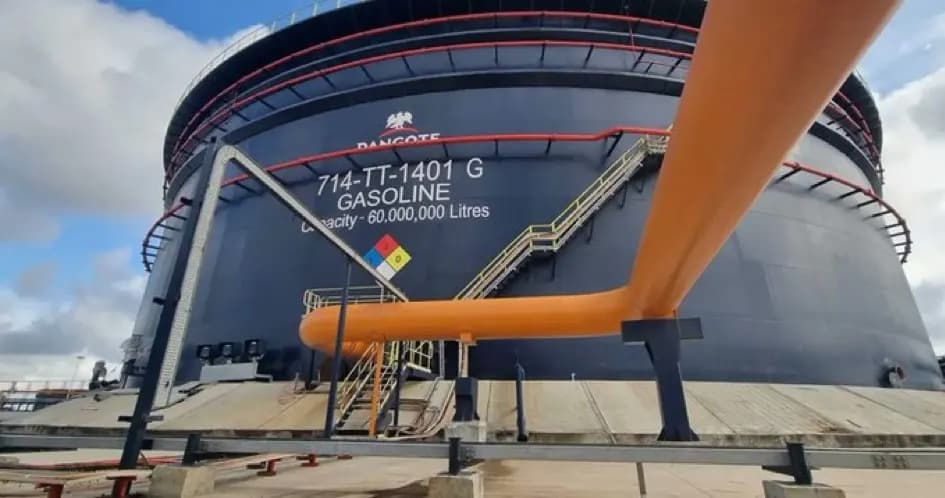
Dangote Petroleum Refinery’s decision to begin publishing transparent gantry prices for Aviation Turbine Kerosene (ATK), commonly known as jet fuel, is reshaping Nigeria’s aviation fuel market by reducing price disparities, widening market participation and easing cost pressure on domestic airlines, according to industry operators and marketers familiar with the development.
The changes follow concerns within the downstream market over the previous pricing structure for Aviation Turbine Kerosene (ATK), commonly known as jet fuel, where access to product allocation at the refinery was largely limited and transactions were predominantly benchmarked in dollars.
Under the earlier arrangement, only a limited number of approved marketers were able to trade directly within the refinery’s ATK supply chain, creating what industry participants described as a highly concentrated market structure.
Market sources said the restricted participation contributed to significant pricing disparities between refinery gantry prices and final market prices supplied to airlines.
According to multiple downstream operators familiar with the supply structure, Dangote Refinery’s ATK gantry price stood around ₦1,820 per litre in recent weeks, while some marketers reportedly sold to end-users at between ₦2,200 and ₦2,300 per litre.
The wide pricing spread triggered concerns over excessive margins and market inefficiencies within the aviation fuel supply chain at a time airlines continued to battle rising operational costs, foreign exchange pressure and elevated maintenance expenses.
Industry participants said the refinery subsequently reviewed its ATK trading and pricing methodology, introducing broader participation and shifting transactions toward naira-based pricing.
Under the revised structure, more marketers and supply participants were reportedly granted access to the ATK market, creating increased competition around product distribution and pricing.
Sources familiar with the changes said the refinery also began releasing more transparent gantry pricing information, a move that improved price visibility across the downstream aviation fuel market.
The restructuring has since contributed to a decline in aviation fuel prices across parts of the market.
As of Tuesday morning, marketers were said to be selling jet fuel around ₦1,690 per litre, compared to refinery gantry pricing estimated at about ₦1,650 per litre, leaving significantly narrower margins than previously observed under the earlier pricing structure.
Industry operators said the tighter pricing gap reflects a more competitive and transparent market environment compared to the previous system, where limited access and dollar-linked pricing created opportunities for wider markups.
Analysts within the downstream and aviation sectors said the transition to naira-denominated pricing could also reduce exposure to exchange rate fluctuations that have historically contributed to fuel price instability in Nigeria’s aviation industry.
Jet fuel remains one of the largest operating expenses for airlines in Nigeria, with fluctuations in ATK pricing often directly affecting ticket pricing, route economics and operational sustainability for domestic carriers.
Operators said the recent pricing moderation could provide temporary cost relief for airlines already contending with high financing costs, aircraft leasing expenses and macroeconomic pressures.
The development also signals a broader shift in market dynamics following the expansion of domestic refining capacity in Nigeria, particularly with the increasing supply influence of the 650,000 barrels-per-day Dangote Refinery within the downstream petroleum market.
Industry stakeholders, however, noted that the sustainability of the pricing model would depend on continued product availability, transparent allocation systems, stable crude supply and broader participation across the aviation fuel value chain.