

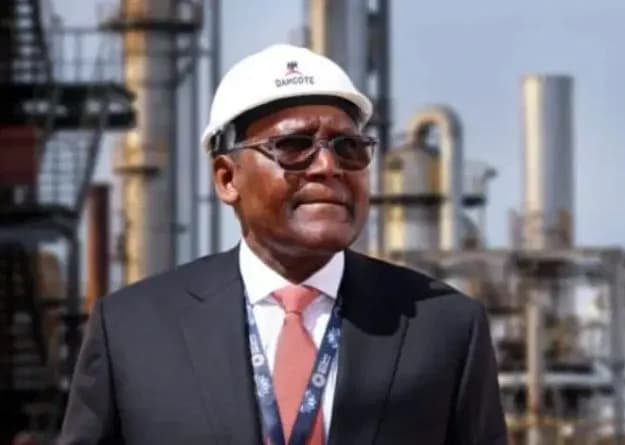
The Dangote Petroleum Refinery has denied claims from fuel marketers suggesting it cannot meet Nigeria’s domestic fuel needs. The company maintains it has sufficient capacity to satisfy local demand and still export surplus volumes to international markets.
Marketers Defend Fuel Imports, Dismiss ‘Cabal’ Allegations
Aliko Dangote, founder of the refinery, recently alleged that powerful groups—including major marketers and traders are working against the $20 billion facility. In response, Olufemi Adewole, Executive Secretary of the Depot and Petroleum Products Marketers Association of Nigeria (DAPPMAN), said marketers are only trying to sustain their businesses by importing fuel.
Adewole rejected the idea of a coordinated cabal in the downstream sector but admitted that private depot owners have vested interests. He noted that these businesses have invested billions of naira to maintain fuel supply chains and argued that private depots still carry the bulk of distribution responsibilities.
He said, “According to the NMDPRA chief executive’s recent presentation at the Villa, the Dangote refinery is not supplying enough fuel to meet even the reduced local consumption figures. For now, it is we—private depot operators—who are bridging the gap and meeting Nigerians’ needs.”
Dangote Refinery Says Output Exceeds Local Needs
A senior Dangote Refinery official countered these claims, stating that the facility produces and dispatches millions of litres of fuel daily for local use before exporting surplus volumes. He questioned how marketers reached the conclusion that the refinery cannot meet demand.
“We produce more than enough for the Nigerian market. That’s why we export fuel after supplying locally,” the official said.
He also alleged that fuel consumption data in Nigeria had been distorted over the years, especially during the subsidy era, to serve various interests. He expressed confidence that accurate data would eventually come to light, helping Nigerians better understand the country’s actual fuel needs.