

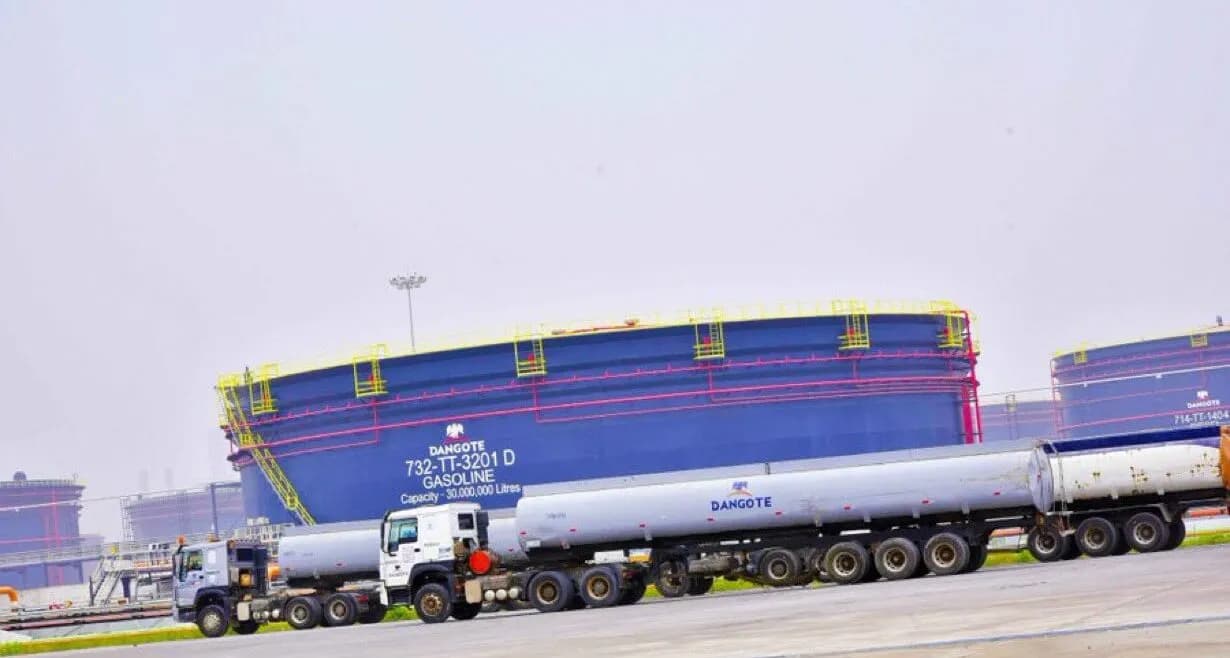
Dangote Petroleum Refinery’s ambitious plan to supply fuel directly across Nigeria is as bold as it is complicated. Analysis by Petroleumprice.ng shows that behind the promise of cheaper and more accessible products, Dangote himself must contend with a labyrinth of operational, logistical, and competitive hurdles that could bear down on the success and longevity of this distribution push.
Competition from Depot Owners
A major hurdle for Dangote lies in the entrenched power of depot owners. For decades, they have controlled bulk fuel distribution and thrived on supply margins. With Dangote bypassing them to sell directly to retailers, these depot operators face a threat to their relevance and revenue streams. They are unlikely to surrender market share without resistance, and their pushback could come in the form of coordinated pricing, lobbying regulators, or leveraging their existing networks to frustrate Dangote’s direct-to-retail model.
Disputes Over Shortages and Station Complaints
Managing volume integrity at stations will be another thorn. Retailers could exploit delivery discrepancies, raising disputes over shortages or even manipulating underground tank ullage to inflate claims. For Dangote, this translates into mounting administrative headaches, strained trust with partners, and the constant risk of reputational damage.
Price Swings That Backfire
Volatile fuel prices pose another trap. Should retail prices drop after marketers have prepaid for deliveries, Dangote will face resentment and possible financial backlash from his partners. Retailers saddled with losses may not only resist future orders but also erode confidence in their supply chain.
Roads, Trucks, and Infrastructure Stress
Nigeria’s weak road network remains a formidable bottleneck. With about 4,000 trucks needed nationwide, Dangote’s plan risks running into congestion, accidents, and high maintenance costs. Sustaining such a massive road-based distribution system will strain finances and logistics far beyond initial projections.
CNG Supply Gaps and Freight Cost Burdens
Even Dangote’s pivot to CNG-powered trucks is fraught with hurdles. With limited CNG stations across Nigeria, reliable fuelling is far from guaranteed. Worse still, “free freight” isn’t truly free—analysts estimate ₦40 per litre (₦16 from CNG and ₦24 from refinery margins) is already baked into costs. Spread over large volumes, this hidden freight expense could steadily eat away at refinery profitability.
Outlook
For Dangote, the trucks are not just a delivery fleet; they are the crux of a distribution gamble. Success depends on navigating a minefield of pricing pressures, logistical strain, infrastructure weakness, and competitive resistance. How effectively he manages these hurdles will determine whether his direct-to-market strategy reshapes Nigeria’s fuel supply chain or collapses under its own weight.