

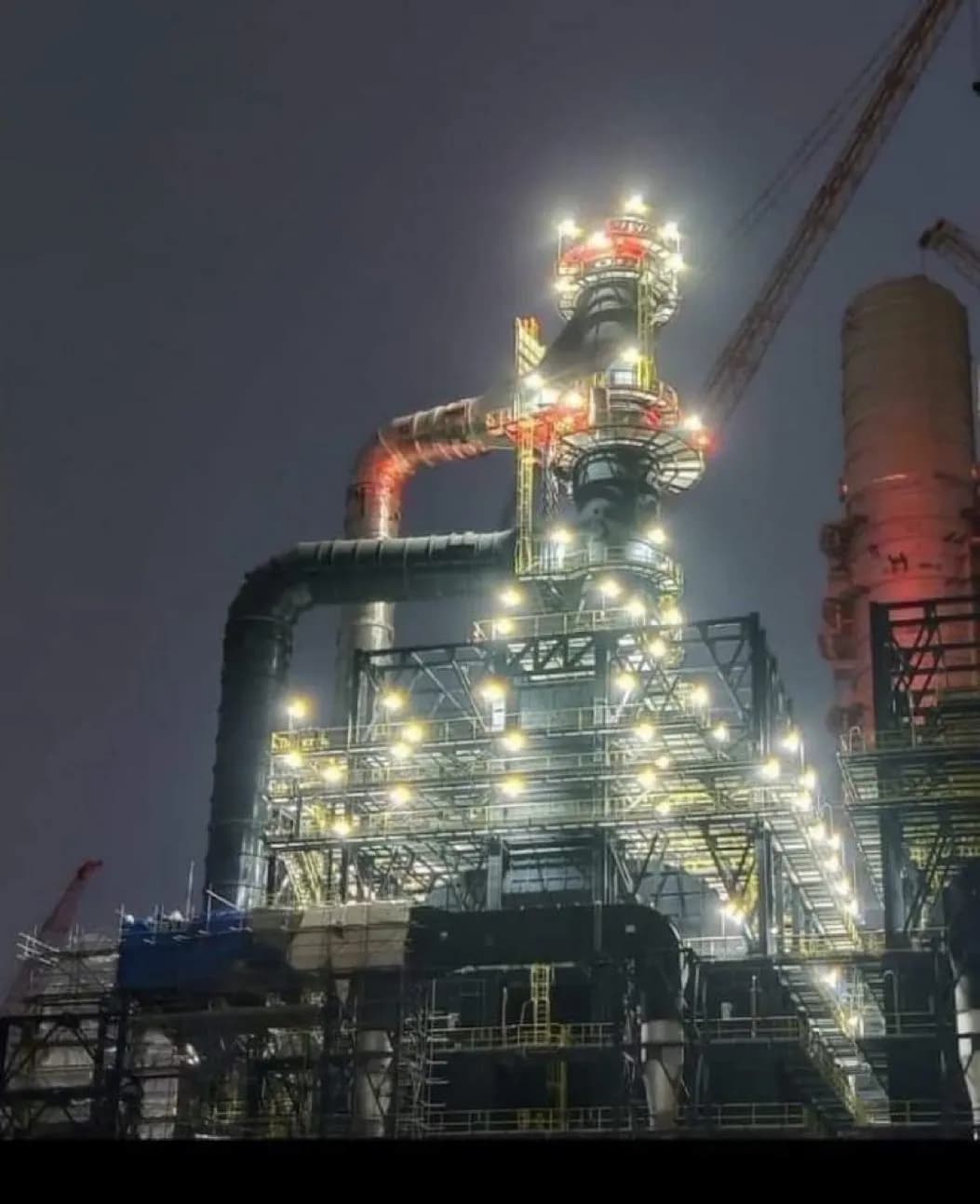
On 27 February 2025, the Dangote Petroleum Refinery reduced the price of petrol by ₦65 per litre, bringing the ex-depot price down from ₦890 to ₦825. This price slash has got Nigerians talking, some see it as a relief, while others fear it’s a move to wipe out competitors and control the market.
With Nigeria’s oil sector at a crossroads, many are asking: Is Aliko Dangote genuinely helping Nigerians, or is he positioning himself as the only player in the market?
Why Did Dangote Reduce Petrol Prices?
Since it started selling petrol in September 2024, Dangote Refinery has been making bold moves. The latest price cut follows an earlier reduction on 25 January, when petrol went from ₦970 to ₦925 per litre.
A spokesperson from the refinery told Vanguard Newspaper:
“Our pricing reflects market realities, not profiteering. We’re here to stabilise supply and ease the burden on Nigerians.”
There is data to back this up. Nigeria consumes about 40 million litres of petrol daily, and until Dangote came into the picture, 100% of it was imported. Dangote’s refinery, which has the capacity to produce 50 million litres of petrol daily, currently supplies about 15 million litres per day, which covers 37.5% of Nigeria’s demand.
This means fewer petrol imports, which should, in theory, make fuel cheaper. But not everyone is convinced.
Is Dangote Pushing Competitors Out?
Many Nigerians suspect Dangote’s strategy might not just be about helping the country. On social media, some are calling it “predatory pricing” a business tactic where a big player sells at a low price to drive competitors out, only to increase prices later.
An X user, @birchuff, posted:
“Dangote’s cutting prices to kill competition importers can’t match ₦825 per litre. Once they’re gone, he’ll own the market.”
Economic experts agree this is a real possibility. A 2023 World Bank report warned that oil refining monopolies could increase fuel prices by 20% in the long run.
The Legal Battle Over Petrol Imports
The monopoly fears grew stronger in October 2024, when Dangote Refinery filed a lawsuit against the Nigerian National Petroleum Company Limited (NNPCL) and six major oil marketers, including Matrix Energy and AA Rano.
The refinery wanted the Federal High Court in Abuja to cancel import licences issued to these companies. It also sued the Nigerian Midstream and Downstream Petroleum Regulatory Authority (NMDPRA) for ₦100 billion, claiming that allowing petrol imports was hurting Dangote’s investment.
However, some Nigerians feel this is unfair. A Punch Newspaper editorial published on 15 November 2024 criticised Dangote, saying:
“Having enjoyed state support through tax waivers and NNPCL’s $1 billion investment, Dangote now wants to rewrite the rules to his advantage.”
An energy economist, Dr. Tunde Adeoye, told Reuters:
“Dangote is using a ‘limit-pricing strategy’ keeping prices low enough to discourage competitors, then using his size to dominate the market.”
Already, Nigeria’s 25 modular refineries, which produce smaller amounts of fuel, are struggling. Five of them reported losses by February 2025, according to NMDPRA data.
What Nigerians Are Saying
Opinions are sharply divided.
- @mannyjigi tweeted: “Dangote’s playing chess price cuts today, price hikes tomorrow when he’s the only player left.”
- @TemiOla disagreed: “Finally, a Nigerian solution to a Nigerian problem. Dangote is saving us from import cartels.”
A poll by @NaijaStats on 28 February showed:
- 58% believe Dangote is trying to create a monopoly.
- 42% think he’s acting in Nigeria’s best interest.
How Does This Affect Nigerians?
Fuel prices are a major factor in Nigeria’s economy. In December 2024, inflation hit 34.19%, partly because petrol was selling for over ₦1,100 per litre. Dangote’s new ₦825 ex-depot price means retail prices could drop to ₦900 per litre, reducing transport costs.
Since transportation makes up about 40% of household expenses, according to the Central Bank of Nigeria, this could bring relief to many Nigerians.
However, history shows that monopolies don’t always benefit consumers. A 2022 OECD study found that Mexico’s PEMEX, a state-backed oil giant, raised fuel prices by 15% after wiping out competitors.
Is Dangote’s Refinery Running at Full Capacity?
Despite its big promises, the Dangote Refinery has faced setbacks. In July 2024, Reuters reported that the refinery resold U.S. and Nigerian crude oil instead of processing it. The refinery denied this, saying:
“We’re optimising feedstock; there’s no capacity issue.”
By February 2025, the refinery was running at 62% capacity, producing 400,000 barrels per day, according to NMDPRA data. This raises concerns about whether it can fully replace petrol imports.
What’s Next for Nigeria’s Fuel Market?
For now, Nigerians are enjoying lower petrol prices, but many remain cautious.
@babBat77 warned:
“Nigeria will regret this if Dangote raises prices after eliminating competition.”
Already, NNPCL has cut petrol imports by 30% since September 2024, while smaller refineries struggle to keep up. If Dangote becomes the only major fuel supplier, there may be little stopping him from increasing prices later.
So, is Dangote a patriot fulfilling his promise to end fuel scarcity, or a businessman building a monopoly?
The answer depends on what happens next. Will regulators step in to keep the market competitive, or will Dangote take full control? Nigerians are watching closely.