

The Depot and Petroleum Products Marketers Association of Nigeria (DAPPMAN) has accused the Nigerian Midstream and Downstream Petroleum Regulatory Authority (NMDPRA) of repeatedly allocating fuel import licences to the same group of marketers, urging the House of Representatives to intervene and ensure a more transparent and equitable process.
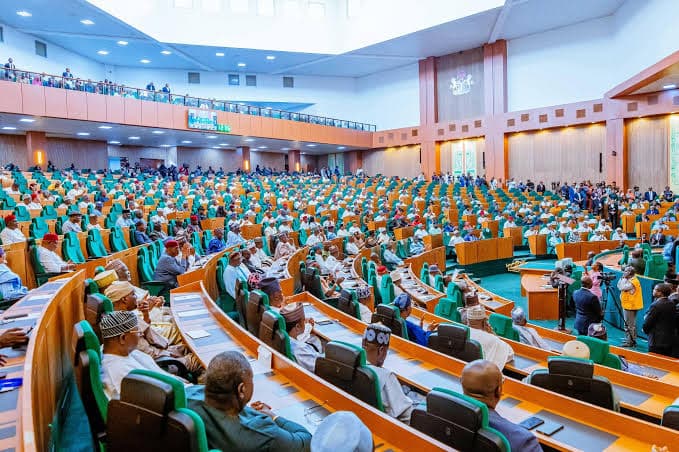
The allegation was made on Tuesday during an interactive session organised by the House Committee on Petroleum Resources (Downstream), where key stakeholders, including DAPPMAN, the Independent Petroleum Marketers Association of Nigeria (IPMAN) and the Major Energies Marketers Association of Nigeria (MEMAN), presented their concerns over challenges confronting Nigeria's downstream petroleum sector.
Presenting the association's memorandum, DAPPMAN Executive Secretary, Olufemi Adewole, alleged that import allocations for the first, second and third quarters of 2026 were issued to the same marketers despite the presence of other qualified operators.
"The same set of marketers received import allocations in the first, second and third quarters of 2026, as though other qualified operators do not exist. This is unacceptable, and we urge this committee to ensure greater transparency and fairness in future allocations," Adewole said.
According to him, the current licensing pattern has contributed to an uneven operating environment, leaving many petroleum depot owners unable to participate effectively in the market.
Adewole disclosed that data from the NMDPRA showed that no fewer than 72 of Nigeria's 154 licensed petroleum depots recorded little or no trading activity over the past year, with several operators struggling to remain in business because of persistent trading losses and limited access to alternative product supply.
While acknowledging the contribution of the Dangote Refinery to Nigeria's domestic fuel supply, DAPPMAN warned against what it described as an emerging near-monopoly in the supply of Premium Motor Spirit (PMS), arguing that the Petroleum Industry Act envisages a fully deregulated market driven by fair competition.
The association maintained that retaining fuel importation as a regulated contingency measure remains necessary to safeguard energy security, particularly during refinery maintenance, operational disruptions or logistics challenges that could affect domestic supply.
DAPPMAN also criticised the continued imposition of duplicated port charges and the billing of purely domestic petroleum transactions in United States dollars, despite the Federal Government's directive suspending foreign currency-denominated charges for local operations.
Responding to the concerns, Chairman of the House Committee on Petroleum Resources (Downstream), Ikenga Ugochinyere, assured stakeholders that the National Assembly would investigate the allegations and invite the NMDPRA to explain the criteria used in issuing fuel import licences.
"We have taken note of your concerns regarding the lopsided issuance of import licences. These questions will be raised when the NMDPRA appears before the committee to explain the basis upon which the allocations were made," Ugochinyere said.
The lawmaker also criticised the continued collection of dollar-denominated charges on petroleum products refined and distributed within Nigeria, describing the practice as detrimental to the economy because it increases the cost of doing business and ultimately raises fuel prices for consumers.
He disclosed that the committee would engage the NMDPRA, the Nigerian Upstream Petroleum Regulatory Commission (NUPRC), the Nigerian Ports Authority (NPA), the Central Bank of Nigeria (CBN), refinery operators and other stakeholders as part of its ongoing review of the Petroleum Industry Act and broader downstream reforms.
According to Ugochinyere, the objective is to establish a regulatory framework that supports domestic refining, preserves healthy competition, protects existing investments across the downstream value chain and guarantees Nigeria's long-term energy security.