

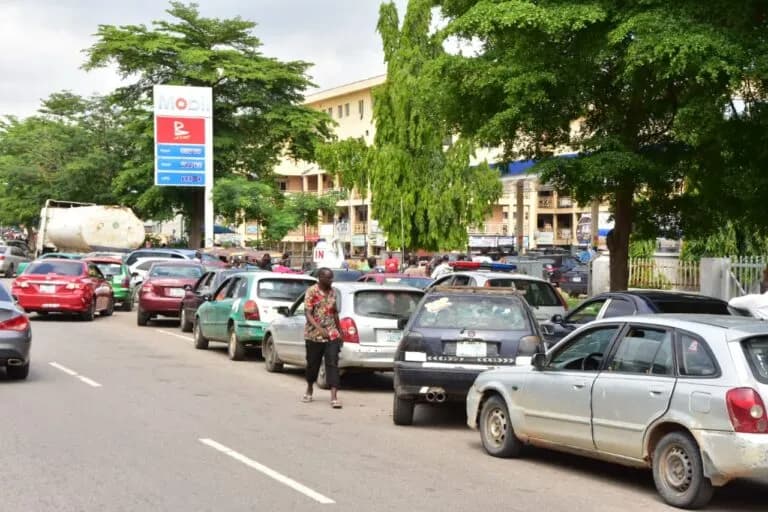
As December approaches, concerns about potential fuel scarcity in Nigeria are growing. Historically, December has often seen fuel shortages due to increased demand during the festive season, logistical challenges, and distribution inefficiencies. In recent years, prices have spiked significantly during this period, with December 2021 and 2022 seeing queues at petrol stations and panic buying.
Current Situation and Key Drivers
- Dangote Refinery vs. Importers:
The Dangote Refinery, which began full operations in 2024, holds over 500 million litres of fuel in storage. Aliko Dangote has stated that the refinery can meet local demand but blamed retailers for not collecting the fuel. He emphasised that his refinery is not involved in retailing, highlighting the gap between production and distribution. - Retail and Distribution Issues:
Many marketers claim that the Dangote Refinery’s output is insufficient, citing ongoing reliance on imports. This creates a price war, with imported fuel typically priced higher than locally refined products. The Nigerian National Petroleum Corporation (NNPC) continues to supplement supplies with imports, but fluctuating exchange rates have added financial pressure. - Government and Regulatory Actions:
The government, led by President Bola Tinubu, has implemented a policy to sell crude oil to Dangote in naira, reducing foreign exchange pressure. However, stakeholders remain divided on whether this approach will ease the anticipated December demand surge. Tinubu has also urged marketers to focus on domestic distribution rather than imports, aiming to stabilise prices and supply.
What to Expect in December 2024
- Fuel Availability: While Dangote’s refinery can produce up to 35 million litres daily, Nigeria’s consumption ranges from 45 to 50 million litres per day. The gap suggests potential shortfalls unless imports bridge the difference.
- Price Trends: Prices are likely to remain high due to the ongoing price war and logistical challenges. Retailers may pass on costs from currency fluctuations and import tariffs to consumers.
Stakeholder Perspectives
- Marketers argue that relying solely on Dangote’s refinery is risky and that imports are necessary to meet demand.
- Consumers remain concerned about accessibility and affordability, especially given the refinery’s limited retail role.
- Government Officials are optimistic about Dangote’s capacity but acknowledge the need for a robust distribution network.
While Dangote Refinery’s increased output provides some relief, Nigerians should brace for potential challenges. Logistical issues and high demand could still lead to queues and price hikes. Authorities and stakeholders must address distribution gaps to prevent scarcity this festive season.