

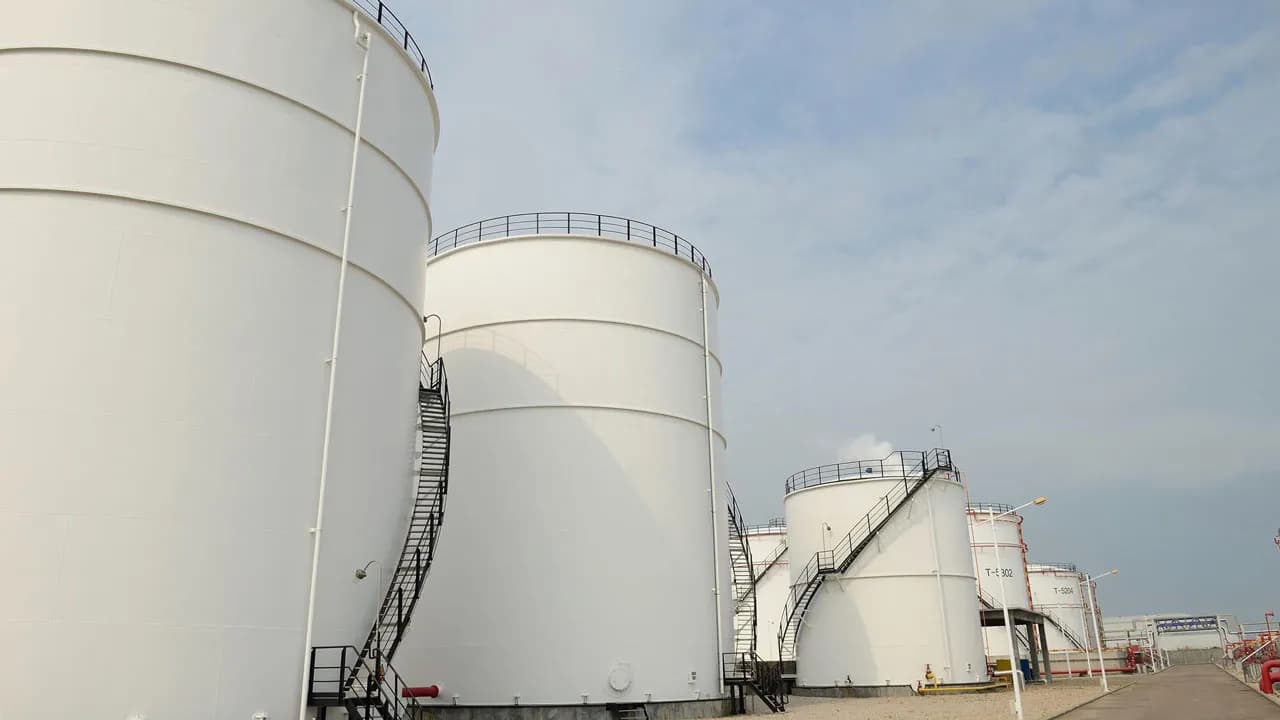
Diesel prices at Lagos depots spiked on Thursday, following the surge in global oil prices that has sent ripples across Nigeria’s downstream sector. With Brent crude climbing to over $70 per barrel the highest level in 2026 importers and depot operators are facing rising replacement costs, which are now being passed on to local fuel markets.
The sharp increase underscores the direct link between international crude movements and domestic fuel pricing, highlighting Nigeria’s vulnerability to global supply shocks.
Depot Prices Reflect International Crude Surge
At major Lagos depots, Automotive Gas Oil (AGO) is now trading at:
- TMDK Depot: ₦909 up to ₦930 per litre
- Emadeb Depot: ₦910 up to ₦930 per litre
- Ibeto Depot: ₦907 up to ₦950 per litre
- Integrated Depot: ₦910 up to ₦950 per litre
The upward adjustment aligns closely with the recent rise in Brent crude, which gained over 2 per cent in global trading as geopolitical tensions in the Middle East and supply constraints tightened markets. Analysts note that crude now accounts for roughly 80 per cent of fuel landing costs, meaning any sustained international rally almost immediately pressures depot pricing in Nigeria.
Implications for Industries and Consumers
For logistics, manufacturing, and power-generation sectors heavily reliant on diesel, the spike is more than just a market statistic—it translates directly into higher operational costs. Traders confirm that replacement economics increasingly drive pricing decisions: when Brent crude rises, downstream operators quickly adjust depot and retail prices to protect their margins.
This also signals potential increases at retail pumps, with consumers likely to feel the impact in the coming days. The rise is a reminder that while Nigeria continues to pursue expanded domestic refining, the market remains highly exposed to global oil price fluctuations in the short term.
Local Fuel Dynamics
The recent surge in Brent crude—from below $69 to above $70 per barrel—was driven by a mix of geopolitical tensions, supply-side risks, and currency movements. With global benchmarks climbing, replacement costs for imported diesel have risen sharply, compelling depot owners to increase prices. This demonstrates the real-time sensitivity of Nigeria’s downstream sector to international oil markets and highlights the importance of strategic stockpiling and local refining initiatives to cushion against future shocks.
As Lagos depots adjust to the new pricing reality, stakeholders across Nigeria’s petroleum value chain are watching closely, aware that global crude trends now have a direct, almost immediate impact on domestic fuel affordability.