

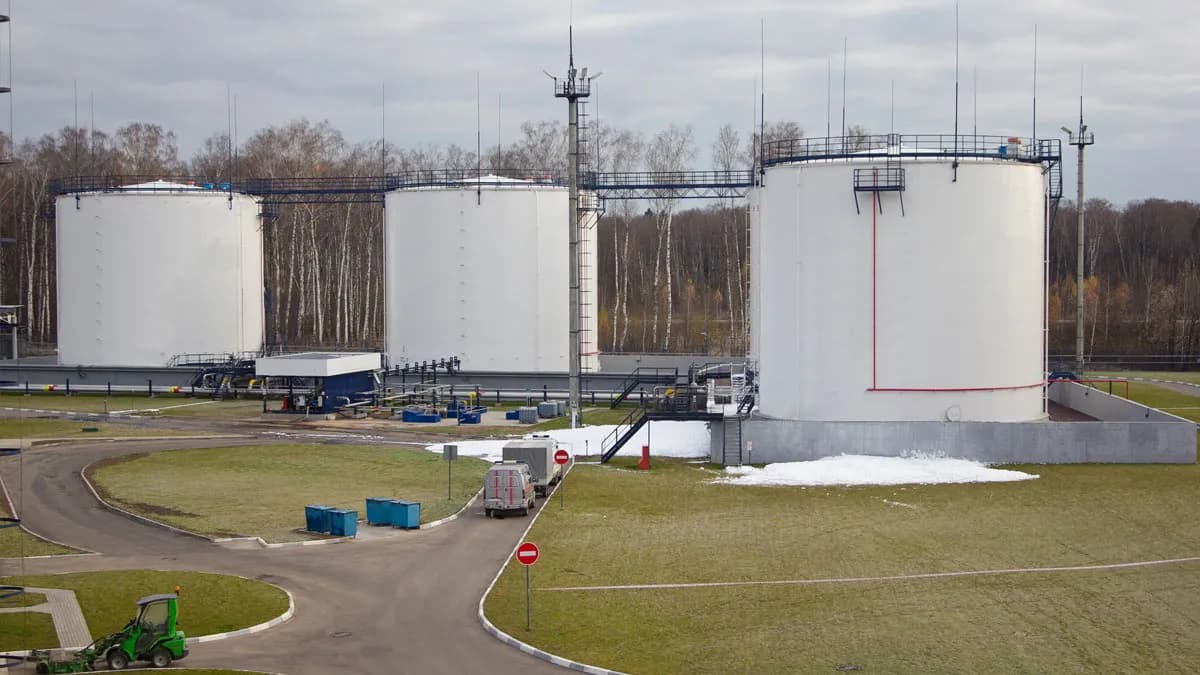
Nigeria’s depot owners are turning to Dangote Refinery in growing numbers, driven by lower prices, strategic partnerships, and steady supply but monopoly fears and job loss risks loom large.
Dangote’s Impact: A New Era for Nigeria’s Fuel Market
The Dangote Petroleum Refinery in Lekki, Lagos, Africa’s largest at 650,000 barrels per day is reshaping Nigeria’s downstream oil sector. Although its direct distribution model initially sparked fears of bypassing middlemen, recent tanker reports and industry analyses show a surprising turn: more depot owners are sourcing from Dangote than ever before.
This increased patronage, backed by competitive pricing and improved logistics, is rewriting the traditional supply chain while forcing key stakeholders to reconsider their roles.
Confirmed Marketers Lifting from Dangote Refinery
Tanker Position Reports from June 11 and 18, 2025 confirm that prominent marketers and depot owners are actively lifting products from Dangote Refinery. Among them:
| Marketer/Depot | Product | Vessel | Status |
|---|---|---|---|
| PPMC (NNPC Retail) | PMS | ST AMRAH | Loaded at Dangote; discharging at Apapa SPM |
| NIPCO | AGO | WESTMORE | Loaded at Dangote; next to berth |
| RAIN OIL | AGO | OLUWAJUWONLO | Loaded at Dangote; part to Calabar |
| EMADEB/OCTAVUS | AGO/Jet A1 | WESTMORE | Loaded at Dangote; to discharge |
| ARDOVA | PMS | MOSUNMOLA | Scheduled to load at Dangote |
| PRUDENT ENERGY | AGO | ASHABI | Loaded at Dangote; to discharge |
| MRS OIL NIGERIA | PMS | ST AMRAH (18 Jun) | Preparing to load at Dangote |
Several other vessels including HAYAT, LVM WARRIOR, SABAEK, and ST LADY MEENAH were also recorded loading or waiting to load at Dangote, with charterers yet to be publicly disclosed.
Why Depot Owners Are Turning to Dangote
1. Competitive Coastal Loading Prices
Depot owners are seizing the opportunity presented by Dangote’s newly announced pricing regime, which offers competitive rates and flexible payment options:
Premium Motor Spirit (PMS):
- Gantry: ₦835.00 per litre
- Coastal: ₦770.00 per litre
Automotive Gas Oil (AGO):
- Gantry: $684.25 + $55 (payable in naira at FX rate ₦1,605 or in USD)
- Coastal: $684.25 + $8
Aviation Turbine Kerosene (ATK):
- Gantry: $741.50 + $42
- Coastal: $741.50 + $22
Liquefied Petroleum Gas (LPG):
- Gantry: ₦840,000 per metric tonne (inclusive of NMDPRA charges)
2. Delayed Reflection of Global Crude Prices
While the Israel-Iran conflict spiked global oil prices, Dangote’s local rates showed a slower adjustment, temporarily shielding marketers from volatility. This “price lag” gave Dangote-aligned depots a strategic edge in sales.
3. Collaborative Distribution Despite Direct Sales
Even though Dangote deploys over 4,000 CNG-powered trucks for direct delivery, it has also formed logistics partnerships with depot owners. This hybrid model helps maintain depot relevance, especially in congested cities and high-demand zones.
4. Strategic Supply to Underserved Areas
Northern and rural depots, traditionally burdened by logistics costs, now see stable supply from Dangote, improving access and reliability. Marketers in these regions increasingly rely on depot owners sourcing Dangote fuel.
5. Shift from Import Dependency
Dangote’s refining capacity has reduced PMS imports by 54%, making it a reliable domestic alternative. Depot owners previously dependent on importers are now re-aligning under Dangote’s supply chain to stay afloat.
Challenges Facing Depot Owners
Despite the current benefits, depot owners face structural threats from Dangote’s rapid expansion:
Risk of Market Disruption
PETROAN warns that Dangote’s end-to-end control refining, storing, transporting, and retailing could eventually displace depot owners, especially if the direct delivery model scales up.
Job Losses in the Value Chain
According to PETROAN estimates, 2,100 filling stations, 70 tank farms, and 95 jetty operators face the threat of closure due to reduced reliance on traditional depot logistics.
Volatile Price Pressures
Depot owners must increase prices to maintain profit margins amid rising oil prices unlike Dangote, whose integrated structure buffers short-term shocks.
Monopoly Fears
The Dangote Marketers Group and industry associations have raised red flags over potential monopolistic control. PETROAN’s president, Billy Gillis-Harry, described the model as capable of “wiping out other businesses.”
Stakeholder Pushback
While IPMAN’s Rivers Chapter praises Dangote’s strategy as “bold and strategic,” PETROAN and others urge regulatory action to prevent anti-competitive dominance. Debates on X reflect these mixed views some cheering Dangote’s innovation, others decrying depot marginalisation.
Market Outlook: Risks, Opportunities, and Recommendations
Opportunities
- Stable pump prices as Dangote’s free logistics and lower costs are passed down by cooperating depots.
- Improved rural access as regional depot owners align with Dangote’s rollout plan.
- Energy transition gains traction via CNG-powered trucks reducing carbon footprint.
Risks
- Depot owners who fail to adapt may face irrelevance.
- Over-dependence on Dangote could limit market price negotiation.
- Widespread job losses may create a ripple effect across local economies.
Recommendations for Depot Owners
- Forge Partnerships: Formalise supply deals with Dangote to remain relevant in the evolving distribution model.
- Diversify Operations: Explore new markets such as lubricants, aviation fuel, and LPG.
- Upgrade Infrastructure: Invest in CNG-compatible systems and digital inventory management.
- Advocate for Fair Policy: Work with PETROAN to push for anti-monopoly clauses under the Petroleum Industry Act.
- Target Remote Markets: Leverage Dangote’s logistics strengths to dominate underserved regions.
The rise in depot patronage from Dangote Refinery represents a significant, if temporary, win for depot owners. Competitive pricing, strategic collaborations, and consistent supply have revitalised their operations. However, the long-term implications of Dangote’s forward integration model suggest a need for proactive adaptation. Whether this evolution cements a balanced ecosystem or tips into monopoly will depend on market responses and regulatory action.