

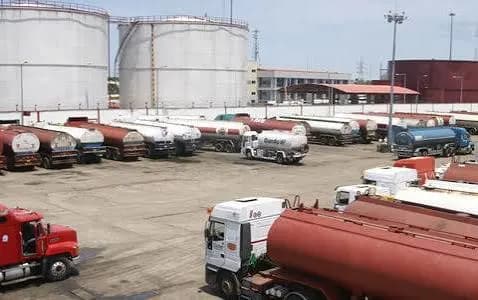
Fresh tensions are deepening in Nigeria’s downstream petroleum sector as the Depot and Petroleum Products Marketers Association of Nigeria (DAPPMAN) has backed the Nigerian Midstream and Downstream Petroleum Regulatory Authority (NMDPRA) in the escalating legal battle over fuel import licences challenged by Dangote Petroleum Refinery.
The Depot owners body maintained that the disputed import permits are not routine approvals but core regulatory instruments issued under the Petroleum Industry Act (PIA) to protect Nigeria’s fuel supply system and ensure market stability.
The dispute follows Dangote Refinery’s fresh lawsuit seeking to invalidate petrol import licences issued by the NMDPRA to the Nigerian National Petroleum Company Limited (NNPCL), NIPCO, AA Rano, Matrix, Shafa, Pinnacle and Bono, covering a combined 720,000 metric tonnes of Premium Motor Spirit (petrol). The refinery argues that continued imports undermine domestic refining and go against provisions allowing imports only when local output is insufficient.
However, in a statement dated May 17, 2026, DAPPMAN defended the regulator’s position, insisting the licences were issued strictly to guarantee national supply security rather than to weaken local refining capacity.
“The NMDPRA has consistently maintained, correctly, that these licences exist to protect supply security, not to disadvantage any single producer, however large,” the association stated.
DAPPMAN warned that any attempt to cancel or retroactively void valid import permits could destabilise the downstream sector, noting that marketers have made significant investments in depot infrastructure, logistics, and compliance systems based on existing regulatory approvals.
The association further argued that stripping or invalidating such licences would inject uncertainty into Nigeria’s fuel supply chain at a sensitive time for the industry.
While acknowledging Dangote Refinery’s right to seek legal redress, DAPPMAN rejected any suggestion that a private refinery’s commercial interests should override the regulator’s statutory duty to guarantee fuel availability. It stressed that the Petroleum Industry Act allows imports whenever the regulator deems them necessary.
The group also dismissed concerns about market concentration, insisting Nigeria’s downstream sector was designed as a competitive, multi-player system rather than a single-supplier structure.
“Our members did not build this industry to watch it be argued out of existence in a courtroom. They built it to serve Nigeria,” DAPPMAN said, warning that reducing the number of active operators would ultimately hurt consumers and weaken efficiency in the downstream market.