

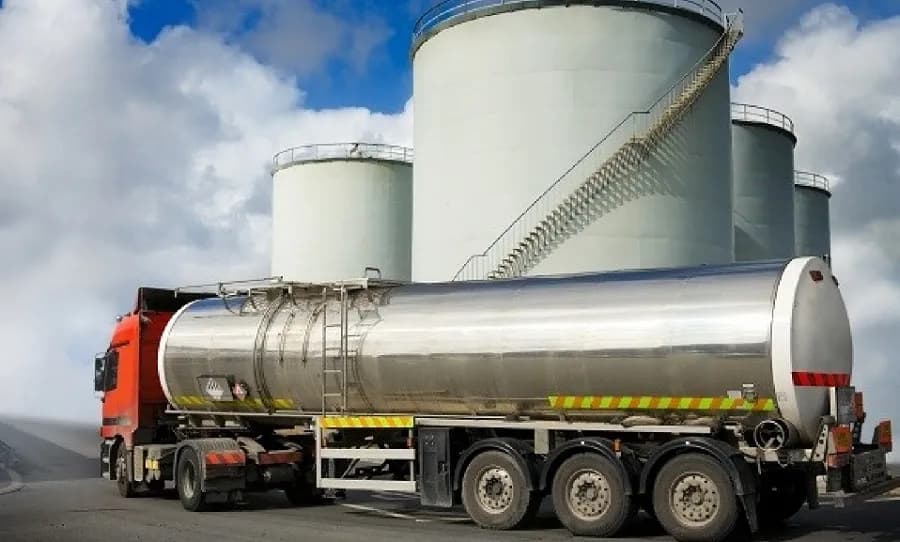
Depot prices for Premium Motor Spirit (PMS) fell slightly across major petroleum hubs on Tuesday, even as the Nigerian National Petroleum Company Limited (NNPCL) raised its retail pump price to ₦905 per litre.
According to the Petroleumprice.ng Daily Oil and Gas Market Intelligence Report for October 7, 2025, Lagos recorded some of the lowest wholesale rates nationwide. At private depots, PMS sold for ₦836 per litre at AITEO, ₦837 at Dangote, and ₦838 at Emadeb, showing a modest decline from the previous week.
In other regions, prices remained competitive. TSL Depot in Port Harcourt sold PMS at ₦854 per litre, while Matrix Depot in Calabar offered ₦856 per litre. The consistent pattern suggests that supply levels at key terminals are improving despite recent disruptions in the sector.
Retail Prices Climb Despite Lower Wholesale Rates
While depot prices dropped, NNPCL outlets across Abuja’s Wuse Zone 4 and Zone 6 increased their pump price from ₦890 to ₦905 per litre, representing a ₦15 or 1.7 per cent rise. The upward review widened the gap between wholesale and retail prices, underscoring persistent challenges in fuel distribution and logistics.
The President of the Independent Petroleum Marketers Association of Nigeria (IPMAN), Abubakar Maigandi, linked the retail price hike to temporary supply disruptions caused by the Petroleum and Natural Gas Senior Staff Association of Nigeria (PENGASSAN) and its ongoing dispute with the Dangote Refinery.
“It is due to PENGASSAN’s strike disruption. However, members still sell at ₦885 and ₦895 per litre,” Maigandi told Daily Post.
The two-day strike, triggered by the alleged dismissal of refinery workers, briefly halted loading operations before government intervention ended the standoff.
Market Outlook
Analysts note that the contrast between falling depot prices and rising pump prices highlights Nigeria’s fragile downstream market. Despite stable global benchmarks with Brent crude at $65.15 and Bonny Light at $80.92, local prices continue to respond to refinery supply gaps, transportation costs, and retail margin adjustments.
Experts expect short-term volatility to persist as marketers rebalance costs following labour disruptions and exchange rate swings. They also emphasize that stronger coordination between depots, refiners, and retailers will be critical to stabilizing prices and ensuring a steady supply.