

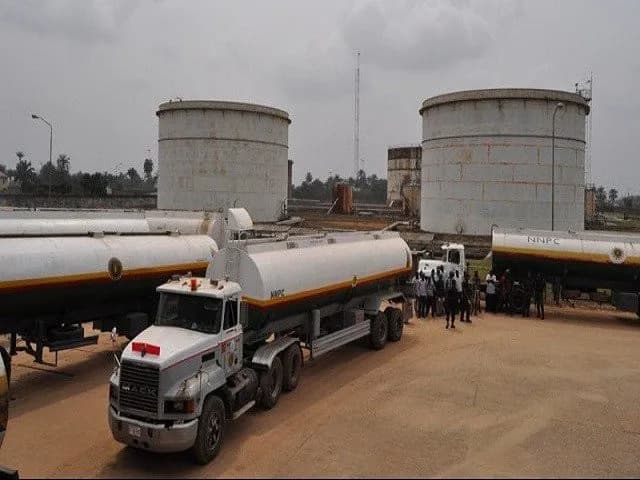
Despite a sharp 8% fall in global crude oil prices between June 23 and 24, 2025, depot prices for Premium Motor Spirit (PMS) and Automotive Gas Oil (AGO) in Nigeria dipped by just 2%. This muted response highlights a growing disconnect between international market trends and local pricing behaviour. While global benchmarks reflect easing geopolitical tensions, Nigerian depot operators appear to be adjusting cautiously raising concerns about pricing transparency and market responsiveness in the downstream sector.
The small reduction has sparked fresh complaints from consumers and market watchers who say depot owners are quick to raise prices but slow to bring them down especially now that global oil markets are calmer after the Israel-Iran ceasefire.
Depot Prices See Small Cuts, But Not Everywhere
In Lagos, PMS prices dropped at some depots:
- Pinnacle: ₦910 → ₦905
- Rainoil: ₦920 → ₦910
- NIPCO: ₦945 → ₦910
→ Average reduction: 1.78%
AGO (diesel) also saw small declines:
- Mao: ₦1,050 → ₦1,033
- Ibeto: ₦1,060 → ₦1,045
- African Terminal: ₦1,060 → ₦1,040
→ Average reduction: 1.64%
Port Harcourt showed a better picture:
- PMS at T.S.L. and Fynefield dropped to ₦925 and ₦923 respectively.
- AGO at Bulk Strategic dropped sharply from ₦1,140 to ₦1,085 — the largest drop so far (4.82%).
Depot prices for petrol and diesel in Nigeria dropped slightly by about 2% between June 23 and 24, 2025, after global crude oil prices fell by 8%. This figures will eventually reflect more on the consumers.
Crude Oil Prices Fall, So Why Aren’t Depot Prices Following?
Brent crude dropped to $69.16 per barrel on June 24, down from $77 just a few days earlier. The trigger? A sudden ceasefire between Israel and Iran brokered by the U.S., which calmed fears of disruptions to oil movement through the Strait of Hormuz a major global oil route.
Yet, Nigerian depot owners have barely budged on price cuts. Why?
- Old Stock: Depot owners claim they still have high-cost inventory purchased when crude prices were higher. They are reluctant to sell at a loss.
- Cost Recovery: Most depots had just raised prices significantly last week some by as much as 14% and may want to recover costs before adjusting downward.
- Import Exposure: Despite having the Dangote Refinery, Nigeria still relies on imported crude and refined products. So, international shipping fees, insurance, and foreign exchange costs still influence local pricing.
Dangote Refinery’s Pricing Pressure
Dangote Refinery, which supplies many major depots, raised its ex-depot PMS price to ₦880 per litre as of June 20. This is despite calls from IPMAN urging a reduction to below ₦825, since Dangote refines locally.
MEMAN estimates that landing costs including storage, transport, and finance still hover around ₦950/litre, which pressures both retailers and consumers.
Until Dangote adjusts its ex-depot price in response to the global fall, other marketers may have little room to lower prices significantly.
Last Week’s Price Surge: A Stark Contrast
Just days ago, depot prices rose steeply:
- NIPCO’s AGO jumped from ₦960 to ₦1,100 (a 14.6% rise)
- Rainoil’s PMS went up by ₦20
- Dangote moved PMS from ₦827 to ₦840
All of this happened while crude prices were rising by only 5.5% yet now, with a 10% crash, depot cuts have barely reached 2%.
It reveals a one-sided pricing culture where increases are sharp and immediate, but reductions are slow and small.
What It Means for Nigerians
Pump prices remain stubbornly high:
- ₦915/litre in Lagos
- ₦945/litre in Abuja
And with diesel above ₦1,000/litre in many cities, logistics costs for food and goods will remain elevated, fuelling more inflation.
For Nigerians already squeezed by inflation at 33.2%, this slow price response means their pockets continue to suffer even when global trends favour relief.
What Needs to Happen
- Policy Oversight: Regulators like the Nigerian Midstream and Downstream Petroleum Regulatory Authority (NMDPRA) must ensure price transparency in line with global benchmarks.
- Depot Reform: Depots should adopt a fairer, quicker price adjustment system, in both directions.
- Strengthen Local Refining: If the Dangote Refinery can reduce reliance on dollar-priced crude, Nigeria could finally enjoy stable, affordable fuel.
Final Thoughts
Oil prices around the world have come down. But in Nigeria, the relief is barely noticeable. Until depot operators stop prioritising profit margins over fairness or government steps in Nigerians will keep feeling the pinch.
For now, we watch the global oil market and hope Nigerian prices start to reflect reality soon.
Follow PetroleumPrice.ng for more updates on depot and pump prices in your city.