

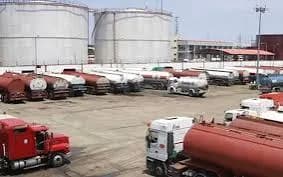
Nigeria’s downstream market steadied this week as depots recovered from the PENGASSAN strike that had temporarily disrupted fuel loading nationwide. From Warri to Port Harcourt, prices adjusted mildly, showing that supply routes are gradually stabilising.
Petrol (PMS) prices flattened or slipped slightly across most regions, while diesel (AGO) dipped marginally in response to improved vessel discharges and quieter trading activity. Lagos, the heartbeat of the fuel trade, resumed operations on October 3 after days of inactivity, and fresh pricing data now reflects early post-strike repositioning by marketers.
Premium Motor Spirit (PMS) – Petrol Prices Ease After Strike
Lagos Depots (PMS)
(No data for 29 Sept — depots observed the PENGASSAN strike)
| Depot | 29 Sept (₦/L) | 03 Oct (₦/L) | Change |
|---|---|---|---|
| NIPCO | — | 860 | — |
| AIPEC | — | 845 | — |
| INTEGRATED | — | 845 | — |
| EMADEB | — | 845 | — |
Analysis:
Lagos depots reopened cautiously after the industrial action, setting PMS prices between ₦845 and ₦860 per litre. The stability suggests a controlled return to operations as marketers balanced limited storage turnover with the need to maintain downstream liquidity. Sources within the depot owners’ association say more vessels are expected in the coming days, which could further stabilise product flow into the Southwest corridor.
Warri Depots (PMS)
| Depot | 29 Sept (₦/L) | 03 Oct (₦/L) | Change |
|---|---|---|---|
| RAIN OIL | 865 | 861 | -4 |
| MATRIX | 865 | 860 | -5 |
| ZAMSON | 864 | 863 | -1 |
Analysis:
Petrol prices in Warri eased slightly, driven by restored supply chains and better barge scheduling. The modest ₦3 average drop points to a balanced market, with depots operating at near-normal capacity. Traders describe the move as a “technical correction,” aimed at clearing backlogs rather than an outright price shift.
Calabar Depots (PMS)
| Depot | 29 Sept (₦/L) | 03 Oct (₦/L) | Change |
|---|---|---|---|
| MATRIX | 870 | 860 | -10 |
Analysis:
Matrix lowered its Calabar PMS price by ₦10 per litre, reflecting improved vessel access and lower freight premiums into the Southeast. The move reinforces Calabar’s growing importance as an alternative supply hub amid frequent Lagos bottlenecks.
Port Harcourt Depots (PMS)
| Depot | 29 Sept (₦/L) | 03 Oct (₦/L) | Change |
|---|---|---|---|
| LIQUID BULK | 870 | 860 | -10 |
| SIGMUND | 870 | 860 | -10 |
| BULK STRATEGIC | 870 | 860 | -10 |
Analysis:
Port Harcourt’s petrol prices declined uniformly by ₦10 across key depots. Improved port clearance and reduced truck congestion supported a mild correction. The consistent pricing pattern also hints at coordinated cost rationalisation among regional marketers.
Automotive Gas Oil (AGO) – Diesel Adjusts Gently as Lagos Reopens
Lagos Depots (AGO)
(No data for 29 Sept — depots observed the PENGASSAN strike)
| Depot | 29 Sept (₦/L) | 03 Oct (₦/L) | Change |
|---|---|---|---|
| NIPCO | — | 980 | — |
| AFRICAN TERMINAL | — | 970 | — |
| AIPEC | — | 970 | — |
| EMADEB | — | 973 | — |
| ARDOVA | — | 925 | — |
Analysis:
Lagos depots reopened on 3 October after the PENGASSAN strike, setting diesel (AGO) prices within a relatively tight range of ₦925 to ₦980 per litre. The resumption of operations restored confidence among marketers and truck operators who had been idled by the industrial action.
NIPCO posted the highest price at ₦980/litre, reflecting its premium supply quality and stronger product turnover. African Terminal, AIPEC, and Emadeb maintained moderate rates between ₦970 and ₦973/litre, signalling steady wholesale liquidity and improved marine discharge schedules through private jetties.
Ardova, however, re-entered the market aggressively with a competitive ₦925/litre price — a deliberate strategy aimed at regaining market share and stimulating early bulk purchases.
Market participants say the current pricing structure represents a stabilisation phase rather than a downward trend, as exchange rate fluctuations (still above ₦1,450/$1) continue to pressure import-dependent diesel supplies.
Warri Depots (AGO)
| Depot | 29 Sept (₦/L) | 03 Oct (₦/L) | Change |
|---|---|---|---|
| RAIN OIL | 1007 | 1000 | -7 |
| A.Y.M SHAFA | 1005 | 1000 | -5 |
| TAURUS | 1004 | 1000 | -4 |
| OPTIMA | 1005 | 1005 | 0 |
Analysis:
Warri’s diesel prices recorded moderate adjustments, dropping between ₦4 and ₦7 across most depots. Rainoil led the trend with a ₦7 cut, backed by increased supply from recent vessel discharges at the Warri Jetty. A.Y.M Shafa and Taurus followed suit, trimming their rates slightly as marine freight costs softened.
Optima maintained ₦1005/litre, signalling price consistency amidst fluctuating operational expenses. Analysts describe the market as “cautiously bearish,” as depot owners test new price floors while guarding against currency volatility and international freight uncertainty.
Market Insight & Outlook
The post-strike week has brought calm to Nigeria’s fuel market. PMS prices stabilised, diesel adjusted slightly, and supply chains regained rhythm. Lagos remains the focal point for pricing movements, especially as new import batches are expected to land within the coming days.
Diesel, despite the softening, still trades heavily — squeezed by high import bills and logistics overheads. For petrol, stable depot prices suggest that a delicate balance has returned, though industry watchers warn that any new forex shock could quickly unsettle the gains.
As October unfolds, traders and depot operators are expected to keep prices within narrow bands while monitoring global crude shifts and local regulatory interventions.