

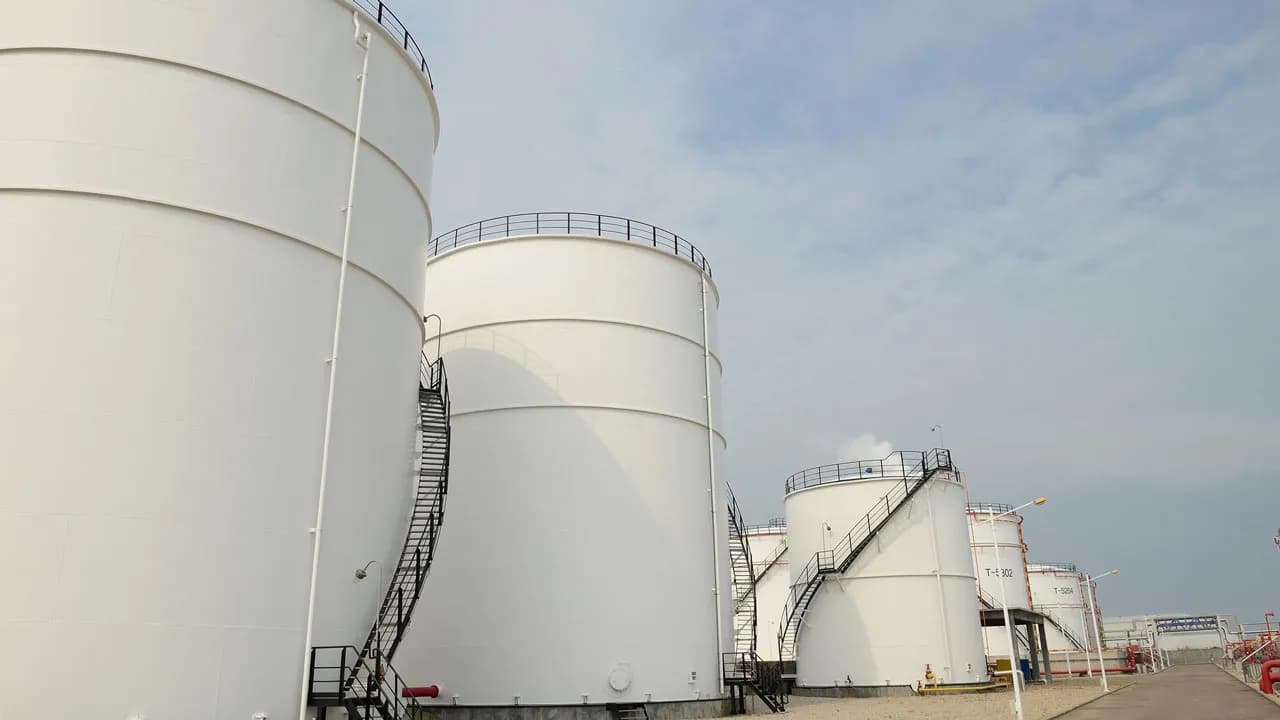
Petrol prices in Nigeria witnessed notable increases across major depots, with Premium Motor Spirit (PMS) selling at elevated rates due to regional challenges and supply dynamics. The price adjustments, which vary between Lagos and Calabar, reflect underlying disruptions in the supply chain, including loading challenges and union-related issues.
Lagos Depots Show Marginal Increases
In Lagos, PMS prices escalated slightly, with the following rates reported:
- Wosbab: ₦965 (up from ₦935)
- Rainoil: ₦970 (up from ₦950)
- Sahara: ₦970 (up from ₦950)
- Nipco: ₦980 (up from ₦950)
- Pinnacle: ₦975 (up from ₦921)
- Dangote: ₦973 (up from ₦920)
The increase stems partly from depot-level adjustments influenced by directives at the Dangote Refinery, where supply recalibrations have triggered corresponding cost uplifts.
Calabar Experiences Sharper Hikes
In Calabar, PMS prices surged further, reflecting heightened regional volatility. Current prices include:
- Alkanes: ₦1,000 (up from ₦985)
- Zone4: ₦1,005 (up from ₦985)
- Mainland: ₦1,005 (up from ₦985)
Regional Disruptions Impact Pricing
Challenges in Port Harcourt have compounded supply constraints, with reports indicating union disputes obstructing fuel loading operations. Meanwhile, Warri experienced pricing volatility, with some depots raising PMS prices to ₦1,000. These factors have reduced transaction volumes and further stressed downstream supply chains.
Broader Implications
The rising prices signal a growing burden for consumers as transportation and logistics costs are expected to escalate. Stakeholders have called for stabilisation measures, urging improved union negotiations and streamlined refinery operations to mitigate future disruptions.
This price shift underscores the pressing need for long-term infrastructure improvements and policy reforms to ensure consistent fuel availability and affordability nationwide.
For consumers, the latest hikes highlight the importance of monitoring local price trends as regional disparities persist in Nigeria’s petroleum market.