

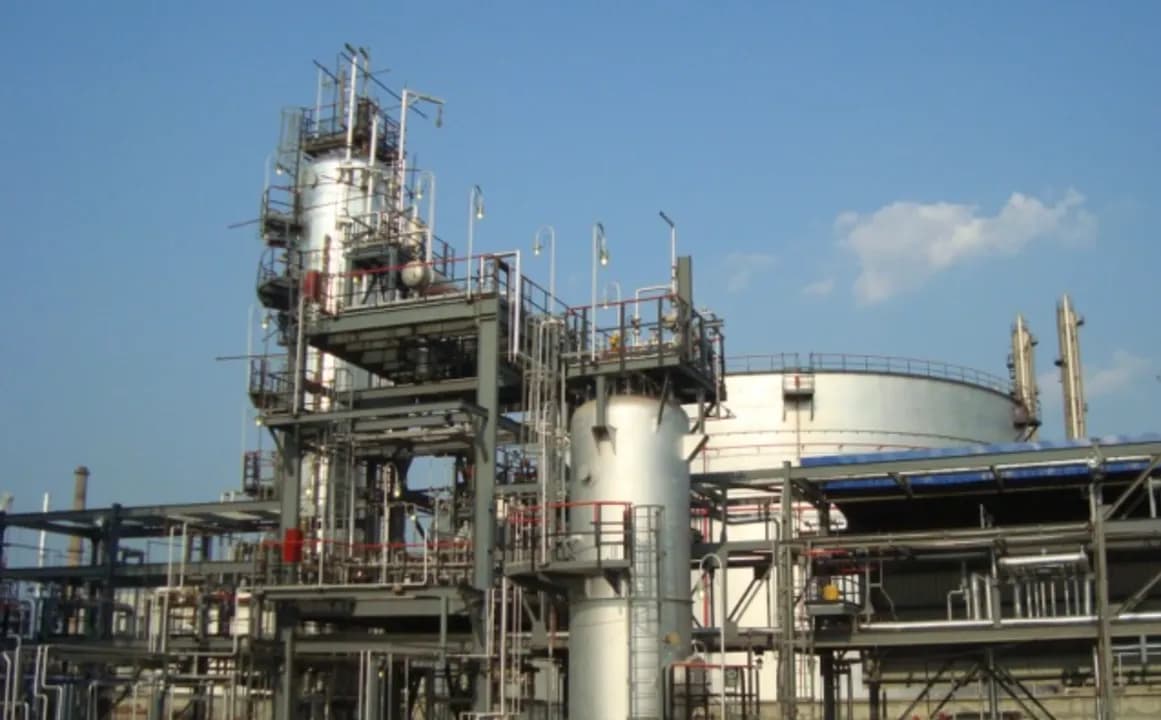
Nigeria’s troubled refining sector has come under fresh scrutiny as the Port Harcourt Refining Company continues supplying diesel to marketers months after it officially shut down for maintenance. Industry data and market confirmations show that, even in shutdown mode, the refinery has remained a quiet but steady contributor to the diesel market.
Fuel marketers say this unusual situation highlights deeper structural issues around refinery operations, inventory management and the long-running debate over the future of Nigeria’s state-owned refineries.
Diesel evacuation continues amid shutdown
Despite halting production on May 24, 2025, the Port Harcourt Refinery has supplied an average of 15 trucks of diesel daily to the market. Over seven months, this translates to about 3,150 trucks of automotive gas oil (AGO), according to marketers operating around Eleme, Rivers State.
Figures from the Nigerian Midstream and Downstream Petroleum Regulatory Authority (NMDPRA) show that marketers evacuated about 349,000 litres of diesel daily as of November. Crucially, regulators clarified that the volumes came from stocks produced before the shutdown, not from ongoing refining activities.
This steady evacuation has helped stabilise diesel availability, especially for industrial users, transporters and power generators who rely heavily on AGO amid persistent grid challenges.
Stockpiles, losses and sustainability concerns
Marketers say the continued supply points to sizeable diesel reserves built up during the refinery’s brief operational window. However, concerns are growing that these stocks may be depleted by February if production does not resume.
Beyond supply risks, the refinery’s economics remain troubling. The new Group Chief Executive of NNPC Limited, Bayo Ojulari, has disclosed that the Port Harcourt refinery was losing between $300m and $500m monthly before operations were halted. With crude throughput of about 50,000 barrels per day and suboptimal processing efficiency, the refinery struggled to convert input into profitable output.
For industry watchers, the situation underscores a familiar pattern: heavy public investment, short-lived operations, mounting losses, and prolonged maintenance cycles.
Privatisation debate resurfaces
The prolonged shutdown has reignited calls for privatisation from industry groups, including the Petroleum Products Retail Outlets Owners Association of Nigeria. They argue that private capital and technical expertise could reduce fiscal pressure, improve efficiency and align Nigeria’s refining sector with global best practices.
NNPCL management, however, maintains that ongoing technical and commercial reviews will reposition the refineries as sustainable, revenue-generating assets. Yet, with Port Harcourt and Warri refineries both shut shortly after high-profile reopenings, scepticism remains strong across the downstream sector.
For many Nigerians, the continued diesel supply despite shutdown is less a success story and more a reminder of the urgent need for transparent reforms. Until then, the Port Harcourt refinery stands as a symbol of both resilience and the unresolved challenges facing Nigeria’s energy infrastructure.