

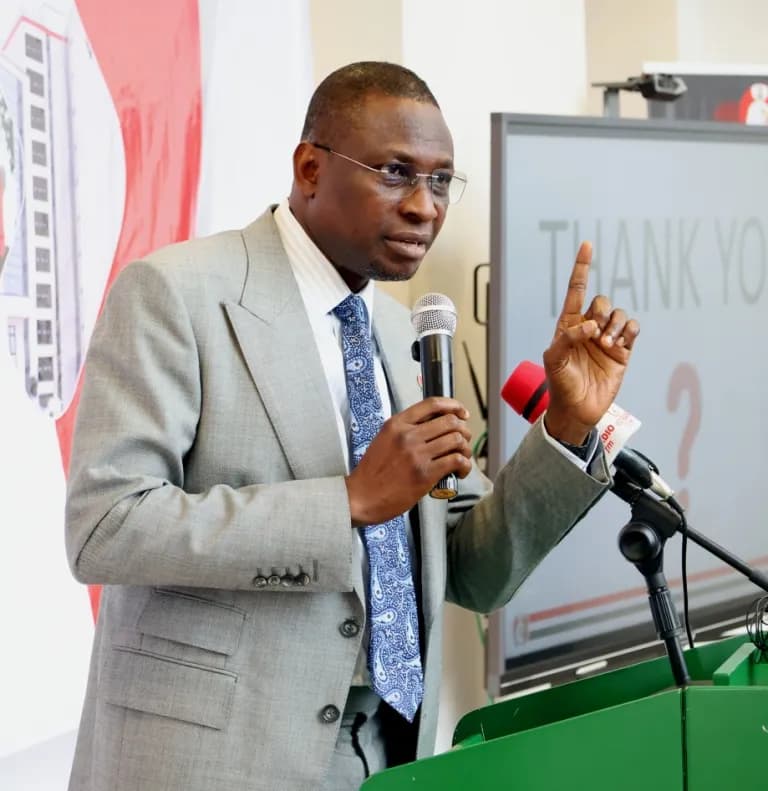
The Chairman of the Economic and Financial Crimes Commission (EFCC), Ola Olukoyede, has firmly denied allegations that he forced the resignation of Bayo Ojulari, the Group CEO of the Nigerian National Petroleum Company Limited (NNPCL).
EFCC Denounces Online Report as False and Defamatory
In a statement issued on Wednesday, EFCC spokesperson Dele Oyewale dismissed the claim published by People’s Gazette as baseless and defamatory. The report alleged that Olukoyede abducted Ojulari and coerced him into stepping down from his role at the state-run oil giant.
EFCC described the allegation as “uncharitable and damaging,” warning that it undermines public trust in Nigeria’s foremost anti-graft institution.
Legal Threats Loom Over Online Platform
Olukoyede’s legal representative, Adeyinka Olumide-Fusika (SAN), issued a 48-hour ultimatum to the media outlet, demanding:
- A formal retraction of the article
- A public apology
- Immediate removal of the report from all platforms
Failure to comply, he warned, will trigger a defamation suit. The lawyer stressed that the publication “conveys damning imputations” capable of harming Olukoyede’s integrity and the credibility of the EFCC.
Ojulari Maintains Public Engagement Amid Rumours
Despite swirling resignation rumours, Ojulari appeared publicly on Monday at a Society of Petroleum Engineers conference in Lagos. He called for the development of “bankable energy projects” as a path to sustainable infrastructure and improved investor confidence across Africa’s oil and gas sector.
So far, neither NNPCL nor the Presidency has officially confirmed Ojulari’s resignation.
Oversight Pressure and Accountability Concerns
The controversy surfaces amid intensified oversight pressure on NNPCL. The Senate has issued multiple summonses to Ojulari over ₦200 trillion in unaccounted funds, with the most recent session ending in another no-show.
Analysts note that governance lapses and opacity in Nigeria’s oil industry continue to trigger distrust among international partners and local stakeholders. The EFCC’s denial further complicates public narratives surrounding executive interference and regulatory overreach.
EFCC Chief Reaffirms Commitment to Due Process
Olukoyede, who took office in 2023, reiterated his commitment to due process, ethical reform, and transparency. He emphasized that unsubstantiated allegations especially those targeting institutions leading the anti-corruption drive must not go unchallenged.
This unfolding drama underscores the high-stakes nature of oil sector leadership, and how media accountability, executive transparency, and institutional integrity remain key pillars for Nigeria’s energy future.