

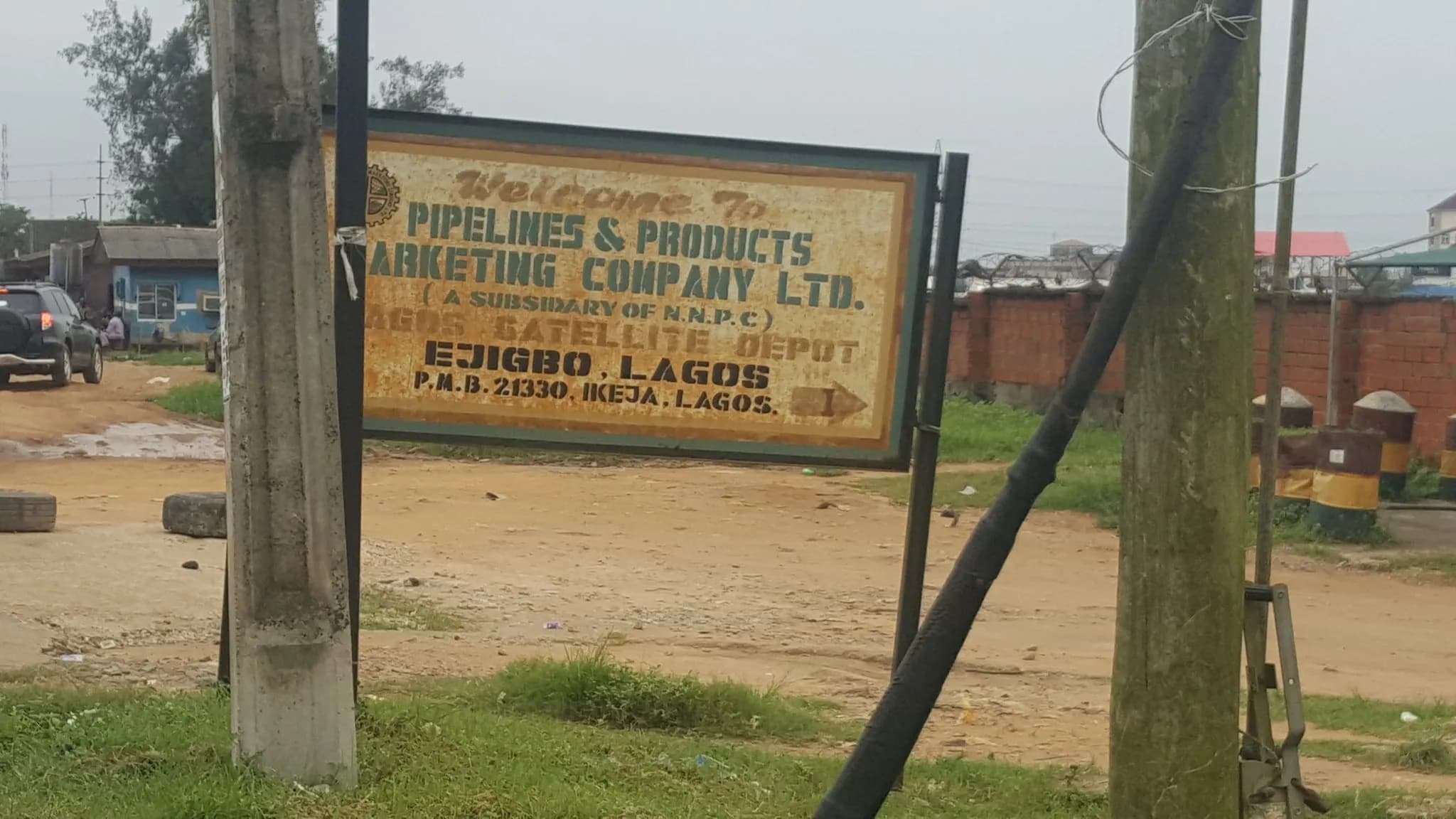
The Ejigbo Depot, once a critical artery in Nigeria’s petroleum distribution network, now lies abandoned and deserted. Once teeming with activity and serving as a crucial hub for fuel distribution across Lagos and beyond, the depot has fallen into disrepair, emblematic of the infrastructural neglect plaguing much of Nigeria.
Located in the Ejigbo area of Lagos State, the depot was part of the Nigerian National Petroleum Corporation’s (NNPC) effort to streamline fuel distribution. It played a pivotal role in supplying petroleum products like petrol, diesel, and kerosene to other parts of the country. At its peak, the depot generated employment for thousands, and its operations injected life into the surrounding community. But today, the scene is a far cry from those days of vibrancy.
One of the key reasons behind Ejigbo’s demise is Nigeria’s long-standing problem of pipeline vandalism. For years, the pipelines feeding the depot were targeted by thieves, siphoning petroleum products and causing frequent shutdowns. Repeated government efforts to secure these pipelines proved largely ineffective, leaving the depot exposed to further vandalism.
As pipeline attacks continued, the depot’s operations ground to a halt. Frequent explosions and security risks posed by the vandalism left authorities with little choice but to stop allocating products to Ejigbo. In the absence of regular supplies, the depot became non-functional, and the surrounding infrastructure, once thriving, began to crumble.
Despite repeated promises from the federal government to address the situation, Ejigbo remains a symbol of failed infrastructure in the country. Maintenance has been non-existent, with critical repairs either postponed or completely ignored. Over time, the cost of restoring the depot and securing the pipelines has become prohibitive, leading the government to essentially abandon the facility.
Corruption is also widely believed to have played a role. Funds that were meant to rehabilitate the depot and upgrade its security systems allegedly disappeared, and little has been done to address these claims. This has left the facility to rot, while fuel shortages continue to affect large parts of the country.
The closure of the Ejigbo Depot has had significant economic ramifications for the local community. Businesses that once thrived on the depot’s operations, including food vendors, mechanics, and small-scale traders, have collapsed. Unemployment in the surrounding area has surged as a result, leaving many without a reliable source of income.
Tankers that once queued at the depot now sit idle, as petroleum products are sourced from elsewhere, adding strain to Lagos’s already congested fuel supply chain. The roads leading to the depot, once crowded with trucks and tankers, are now in a state of disrepair, marred by potholes and left impassable.
Apart from its economic fallout, the depot’s abandonment has also sparked environmental concerns. The site has become a dumping ground, with toxic spills from broken pipelines and defunct equipment posing health risks to nearby residents. The depot’s sprawling expanse, which once held promise for economic growth, now lies derelict and overrun with waste.
The possibility of reviving the Ejigbo Depot remains a topic of debate. On paper, its potential is vast. As Nigeria continues to face fuel distribution challenges, particularly in Lagos and the southwest, a functional Ejigbo Depot could alleviate pressure on the sector. However, the challenges are significant.
Reviving the depot would require substantial investment in infrastructure, particularly to repair and secure the pipelines feeding the facility. Some experts argue that a public-private partnership might offer the best hope for its future, allowing private entities to invest in and manage the depot under government oversight.
Yet, without strong political will and accountability, it remains unclear whether such a project could succeed. The decline of Ejigbo reflects broader issues within Nigeria’s petroleum sector, where inefficiency, corruption, and vandalism often derail progress.
The Ejigbo Depot is a stark reminder of Nigeria’s broader infrastructural failings. While the country is endowed with abundant oil reserves, its inability to maintain critical facilities like depots and refineries continues to hinder its development. For now, Ejigbo stands as a ghost of Nigeria’s potential, a cautionary tale of what happens when national assets are left to decay.
As Nigeria grapples with fuel shortages and increasing demand, there are renewed calls for the government to reconsider its approach to the Ejigbo Depot and other similar facilities. Some industry stakeholders believe that with the right investment and leadership, the depot could once again serve as a key player in the country’s petroleum supply chain.
For now, though, the depot remains idle, a symbol of mismanagement and missed opportunities. Whether it will be revived or fade further into neglect remains to be seen.