

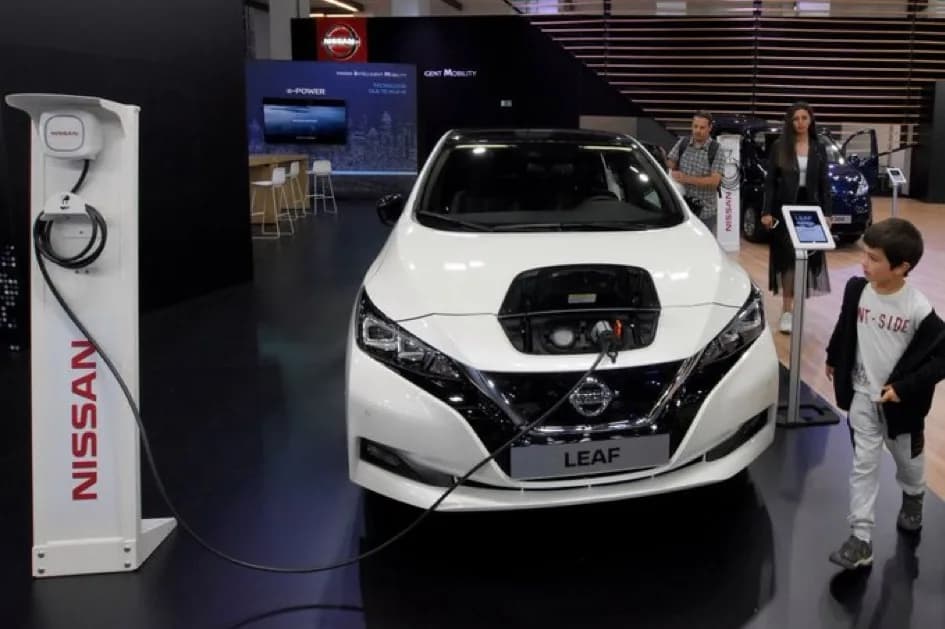
Rising volatility in global oil markets linked to the ongoing Middle East conflict and uncertainty surrounding the Strait of Hormuz is accelerating the global shift toward electric vehicles, with new industry data showing that EVs now account for 25 percent of worldwide passenger vehicle sales.
According to the International Energy Agency’s Global EV Outlook 2026 report, global sales of electric vehicles, including plug-in hybrids, exceeded 21 million units in 2025, more than doubling levels recorded in 2022 when annual sales first crossed the 10 million mark.
The report showed that electric vehicles represented approximately 25 percent of global passenger vehicle sales in 2025, compared to just two percent in 2018, highlighting the rapid expansion of the sector amid growing concerns over fuel costs, energy security and geopolitical instability.
The latest surge in EV adoption comes as crude oil markets continue to experience sharp price swings driven by tensions involving the United States, Iran and Israel, alongside uncertainty over shipping activities through the Strait of Hormuz, one of the world’s most critical oil transit routes.
Oil prices declined sharply in early Asian trading on Monday after reports emerged that negotiations aimed at reopening the Strait of Hormuz and easing regional tensions had entered advanced stages.
Brent crude fell by more than five percent to below $100 per barrel, while U.S. benchmark West Texas Intermediate declined to around $91 per barrel as traders reacted to expectations of a possible diplomatic breakthrough.
However, market sentiment later weakened after Donald Trump stated that Washington would not “rush” into a final agreement with Iran despite progress in ongoing negotiations.
Officials familiar with the talks said the proposed framework under discussion could include the reopening of the Strait of Hormuz, an extension of the ceasefire and continued negotiations over Iran’s nuclear programme and enriched uranium stockpile.
Iranian media reports also suggested that vessel traffic through the Strait of Hormuz could gradually return to pre-war levels within about 30 days if negotiations are finalised successfully.
Despite the recent pullback in oil prices, analysts noted that continued geopolitical tensions and concerns over future supply disruptions are reinforcing global demand for alternative energy technologies, particularly electric mobility.
Industry observers said repeated supply shocks and fuel price fluctuations have increased pressure on governments, manufacturers and consumers to reduce dependence on conventional petroleum products.
China remained the dominant player in the global EV market during 2025, recording more than 13 million electric vehicle sales and accounting for roughly 60 percent of worldwide demand.
Outside China, electric vehicle adoption also continued to expand across Europe, the United States and other markets, with combined sales in the rest of the world approaching eight million units.
Analysts said the latest figures demonstrate how concerns surrounding energy security, geopolitical risk and oil market instability are increasingly influencing long-term transportation, manufacturing and investment decisions globally.
Even if a final agreement is reached between Washington and Tehran, market participants said restoring oil flows and repairing damaged energy infrastructure across parts of the region could take time, while geopolitical risks linked to Middle East energy supply routes are expected to remain a major concern for global markets.