

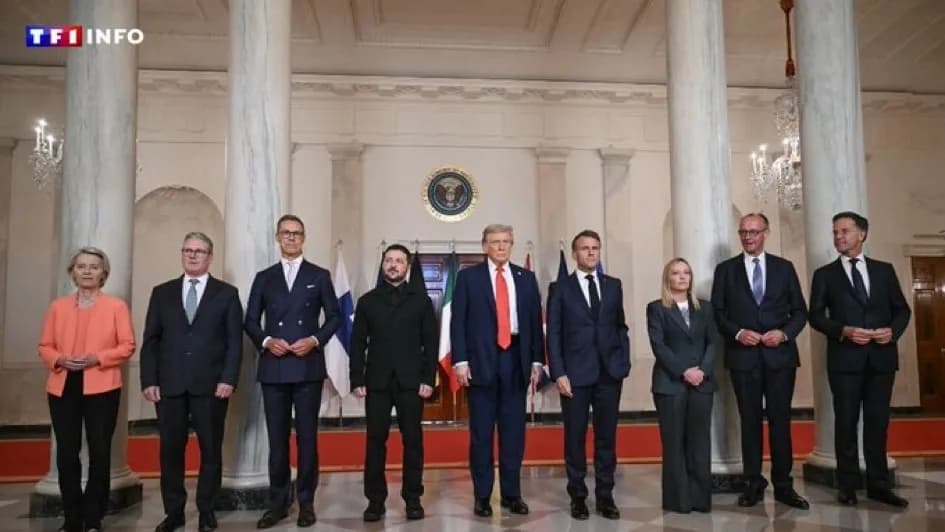
European governments have pushed back against a request by Donald Trump for allied military support to secure the Strait of Hormuz, underscoring growing divisions within the transatlantic alliance as oil prices climb above $100 per barrel.
The stance emerged during a meeting of foreign ministers from the European Union in Brussels, where officials focused on the dual challenge of escalating geopolitical tensions tied to the conflict involving Iran and the resulting spike in global energy prices.
US officials had sought to rally support for a coalition to safeguard the strategic waterway, a critical oil transit route handling a significant share of global crude supply. However, several European leaders signalled reluctance to commit military assets without clearer details on the objectives and scope of the operation.
Germany, one of Washington’s key allies, made its position clear. Foreign Minister Johann Wadephul said Berlin would not participate in military actions linked to the ongoing conflict, stressing the need for clarity from the US and its partners on their strategic goals. The German government further emphasised that the situation does not fall under the mandate of NATO, distancing the alliance from direct involvement.
Defence officials in Berlin also questioned the effectiveness of deploying limited European naval forces to a region already heavily patrolled by the US Navy, reinforcing scepticism about the proposal.
Other EU members echoed similar caution. Greece and Italy indicated they were not considering participation in military operations in the strait, while Poland suggested any formal request should follow established NATO procedures before being evaluated. Estonia also called for greater transparency regarding Washington’s long term plan.
Despite the resistance, some European voices advocated a more flexible stance. Denmark signalled openness to discussions on maintaining maritime security, particularly in ensuring freedom of navigation, though it emphasised that any action should align with broader de escalation efforts.
The United Kingdom, while ruling out involvement in an expanded conflict, said it was working with partners on potential measures to help restore safe passage through the strait.
EU foreign policy chief Kaja Kallas said discussions were ongoing on how the bloc could contribute to reopening the vital shipping corridor. She warned that the disruption had already pushed oil prices beyond $100 per barrel, adding that prolonged instability could have wider economic consequences, including strengthening Russia’s revenue position amid its war in Ukraine.
Meanwhile, the International Energy Agency said it stands ready to deploy additional emergency reserves if market conditions deteriorate further. The agency recently coordinated a release of about 400 million barrels of oil, its largest intervention on record, to cushion supply shocks linked to the crisis.
IEA Executive Director Fatih Birol noted that the current disruption in global oil supply has already exceeded levels seen in previous crises, including the 1973 oil crisis. However, he cautioned that strategic reserves offer only temporary relief if access through the Strait of Hormuz remains constrained.
With uncertainty persisting around one of the world’s most critical oil transit routes, markets remain on edge, and policymakers across Europe are balancing energy security concerns with the risk of deeper military involvement in an already volatile region.