

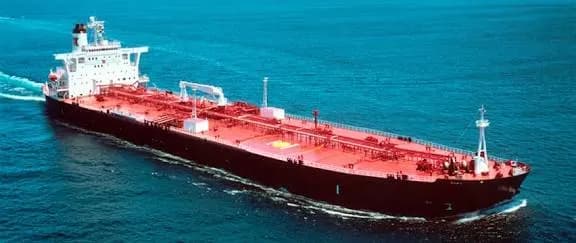
Nigeria is steadily rewriting its fuel import story. After years of heavy reliance on global traders, the country is now taking predominantly European gasoline cargoes and in much lower volumes as domestic refining gathers pace. The shift reflects the growing influence of the 650,000 barrels-per-day Dangote Refinery and a deliberate policy move to cut back on foreign dependence.
According to market intelligence firm Argus Media, Nigeria’s gasoline imports dropped to 123,000 barrels per day (b/d) last month, down from 199,000 b/d in the same period last year. That decline is not accidental. It shows that more locally refined petrol is finding its way into filling stations, reducing the need for large foreign cargoes that once dominated the market.
Europe Steps In as Russia, UAE Step Back
When Nigeria does need to import petrol, Europe has increasingly become the supplier of choice. The reason is simple proximity and cost. Cargoes from the UK and Northwest Europe reach West Africa faster and at lower freight rates compared to long-haul shipments from Russia’s Baltic ports or the Middle East.
Shipping data indicate that moving a 37,000-tonne gasoline cargo from Europe to West Africa averaged about $30.72 per tonne last year. In contrast, deliveries from Ust-Luga in Russia averaged roughly $54.11 per tonne. Although Russian gasoline was heavily discounted at some point sometimes more than $110 per tonne cheaper than European supply logistics and policy shifts changed the equation.
Since mid-2025, Russian gasoline has effectively disappeared from Nigerian waters following Moscow’s export ban. No Russian cargo has landed in the country since June. Russia’s share of Nigeria’s gasoline imports, which once peaked at 9 per cent in 2023 and held around 8 per cent in 2024, fell sharply to just 2 per cent last year.
The United Arab Emirates has also been absent from Nigeria’s gasoline market, particularly after Dangote began petrol production in September 2024. Although Emirati cargoes accounted for about 4 per cent of Nigeria’s imports earlier that year, none has arrived since October 2024.
Local Refining Changes the Game
Behind this transformation is regulatory discipline and growing domestic capacity. The Nigerian Midstream and Downstream Petroleum Regulatory Authority (NMDPRA) now issues gasoline import permits only when local output cannot meet demand. In other words, imports have become a backup plan, not the main strategy.
For years, Nigeria depended heavily on foreign petrol despite being Africa’s largest crude producer. Today, that reality is changing. Imports are shrinking, domestic supply is expanding, and Europe for now remains the leading external supplier in a market that is clearly transitioning.
For Nigerians, the bigger picture is clear: as local refining strengthens, the country is gradually reclaiming control of its downstream sector. The numbers may still fluctuate month to month, but structurally, the direction is unmistakable.