

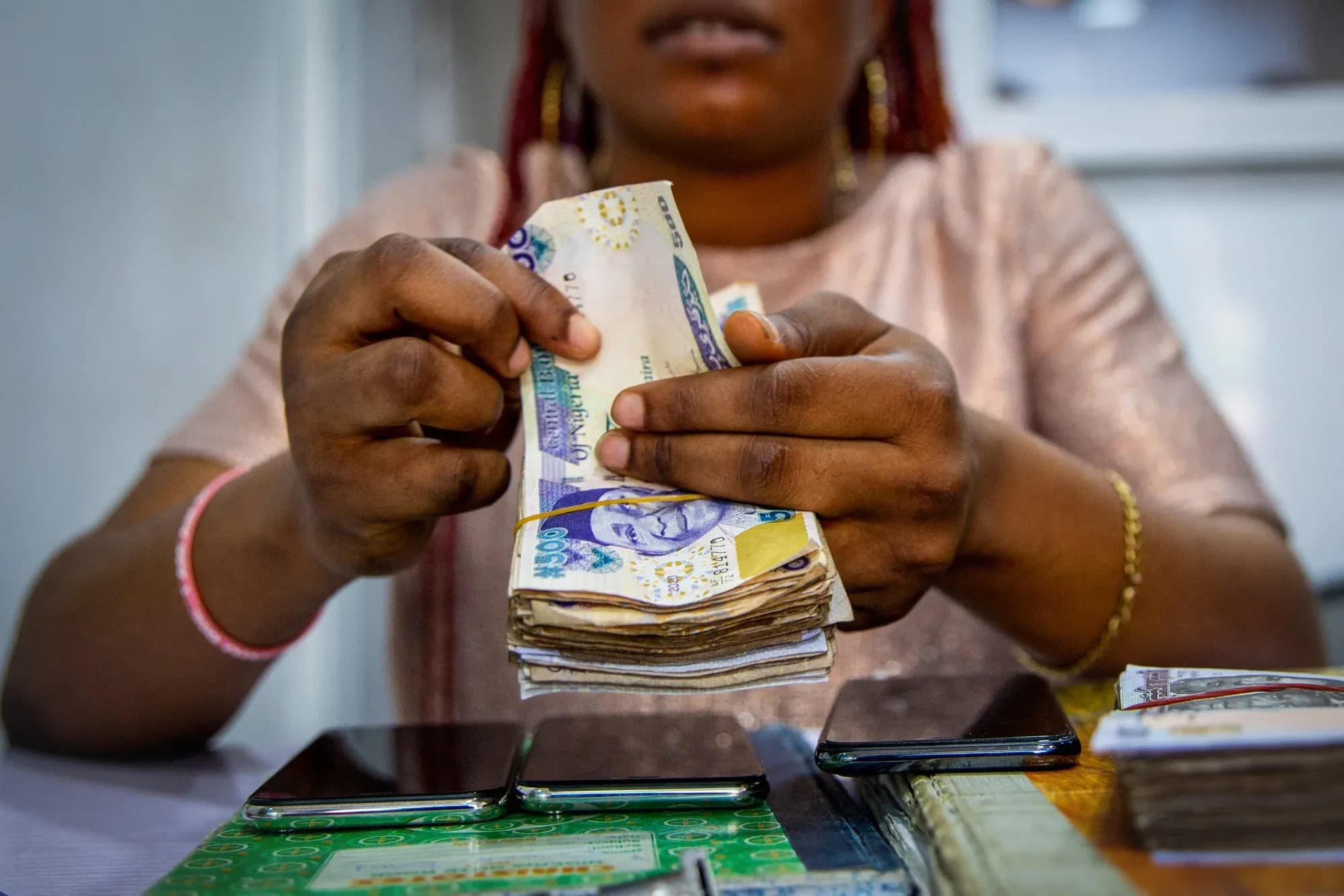
As at today Thursday 15th May 2015, the Nigerian naira continues to struggle under economic pressures, reflecting sharp contrasts between official and parallel market exchange rates. Today’s exchange rates reveal how local demand, foreign policy shifts, and domestic supply challenges actively shape the movement of major currencies against the naira
Official Market Rates Hold Slightly Firm
The Central Bank of Nigeria (CBN) reported a marginal gain in the official USD/NGN rate, which stood at ₦1,600.13, reflecting a 0.03% improvement from the previous rate.
Based on official data and mid-market sources:
- USD/NGN: ₦1,600.13
- GBP/NGN: ₦2,224.64
- EUR/NGN: ₦1,861.37
The exchange rates against the naira reflect ongoing CBN efforts to stabilise the market, albeit with limited impact amid wider economic pressures.
Parallel Market Rates Show Persistent Spread
In the parallel market, driven by real-time transactions across major cities, forex demand continues to exceed supply. On May 15, 2025, the following average rates apply:
- USD/NGN: Buy: ₦1,615.00 | Sell: ₦1,630.00
- GBP/NGN: Buy: ₦2,140.00 | Sell: ₦2,170.00
- EUR/NGN: Buy: ₦1,790.00 | Sell: ₦1,820.00
These rates show the ongoing divide between official and street-level transactions, maintaining pressure on those reliant on non-CBN forex sources. The exchange rates against the naira in the black market reflect ongoing liquidity constraints.
Oil and Gas Realities Deepen Currency Pressures
Nigeria’s oil and gas sector continues to shape forex trends. As of May 15, Brent crude trades at $65.89 per barrel, down 1.11%, while WTI Crude sits at $62.97, down 1.10%. Murban Crude dropped by 1.84% to $65.63. Natural gas prices also fell 4.80% to $3.472/MMBtu.
Meanwhile, Dangote Refinery’s rebate termination on May 15 raised ex-depot petrol prices from ₦827 to ₦835, compounding inflationary pressures. Tankers continue discharging PMS, AGO, and crude at Lagos, Port Harcourt, and Warri ports. Yet, supply remains under stress due to forex volatility and rising landing costs.
Although CBN injected $197.71 million into the forex market on April 4, naira depreciation persisted. Recent CBN policies like non-resident BVN for diaspora remittances aim to boost USD inflows, targeting $1 billion monthly. These flows could cushion the exchange rates against the naira if sustained.
Market Sentiment Signals Uncertainty
While official market trends show cautious optimism, online platforms like X and NgnRates.com reflect consumer frustration. Users criticise the widening forex gap and accuse traders of speculation. At the same time, some see potential in the naira’s gradual appreciation.
Analysts at FocusEconomics expect sustained volatility, warning that without consistent policy action and higher inflows, the exchange rates against the naira will remain unstable. The upcoming CBN Monetary Policy Committee meeting on May 19 is expected to deliver a clearer direction.
Volatility Persists Amid Global and Domestic Shocks
Today’s figures underline the fragile balance the naira faces. Official rates offer structure, but black market pressures persist. As of May 15:
- Official: USD/NGN ₦1,600.13 | GBP/NGN ₦2,224.64 | EUR/NGN ₦1,861.37
- Parallel: USD/NGN ₦1,622.50 | GBP/NGN ₦2,155.00 | EUR/NGN ₦1,805.00
The exchange rates against the naira highlight Nigeria’s reliance on crude earnings, forex reforms, and trade resilience. Nigerians should track CBN updates and trusted forex platforms for real-time changes.