

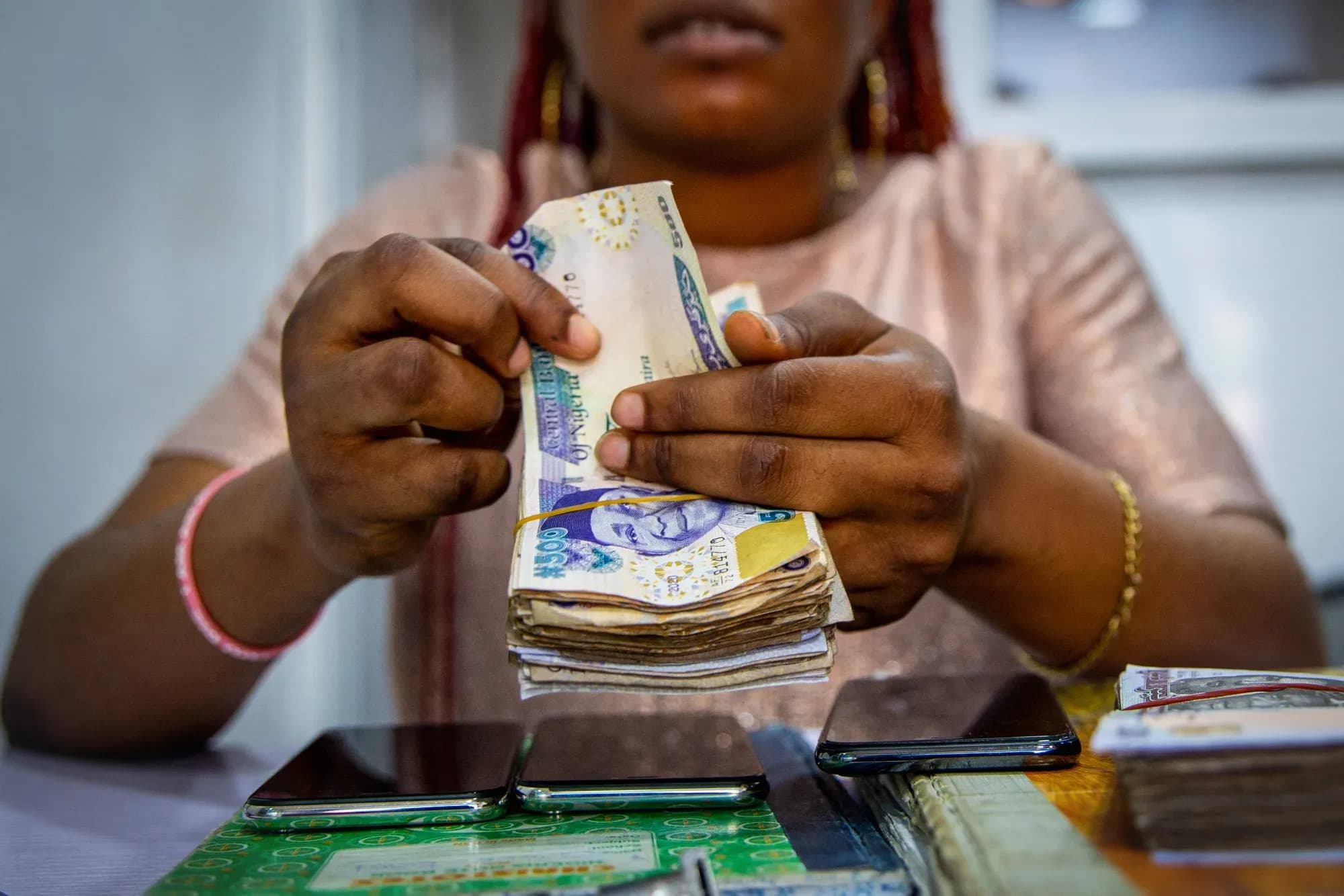
As of today 17 February 2025, the Nigerian Naira (NGN) continues to experience fluctuations against major global currencies, including the US Dollar (USD), British Pound Sterling (GBP), and Euro (EUR). These changes have significant implications for Nigeria’s economy, affecting import costs, foreign investments, and the purchasing power of everyday Nigerians.
Current Exchange Rates
According to data from the Central Bank of Nigeria (CBN), the official exchange rates are as follows:
- US Dollar (USD): Buying at ₦1,507.66, Selling at ₦1,508.66
- Euro (EUR): Buying at ₦1,581.69, Selling at ₦1,582.74
- British Pound Sterling (GBP): Buying at ₦1,900.56, Selling at ₦1,901.82
In the parallel market, often referred to as the black market, rates differ:
- US Dollar (USD): ₦1,565
- Euro (EUR): ₦1,630
- British Pound Sterling (GBP): ₦1,970
Factors Influencing the Naira’s Value
Several elements contribute to the Naira’s current valuation:
- Oil Prices: As a major oil exporter, Nigeria’s revenue is heavily tied to global oil prices. Fluctuations can impact foreign exchange earnings, influencing the Naira’s strength.
- Foreign Reserves: The level of Nigeria’s foreign reserves affects the CBN‘s ability to defend the Naira. A decline can lead to depreciation.
- Inflation Rates: High inflation can erode purchasing power, leading to a weaker currency.
- Political Stability: Investor confidence is bolstered by a stable political environment, affecting foreign investment inflows and currency valuation.
Impact on Nigerians
The exchange rate directly affects various aspects of daily life:
- Imported Goods: A weaker Naira makes imported products more expensive, impacting everything from electronics to food items.
- Education Abroad: Students studying overseas may face higher tuition and living expenses due to currency depreciation.
- Travel: International travel becomes costlier as the Naira’s value decreases against other currencies.
Looking Ahead
To strengthen the Naira, economic analysts suggest:
- Diversifying the Economy: Reducing reliance on oil by promoting other sectors like agriculture and manufacturing.
- Attracting Foreign Investment: Creating a conducive environment for investors can increase foreign exchange inflows.
- Implementing Monetary Policies: The CBN can employ strategies such as adjusting interest rates to control inflation and stabilise the currency.
Nigerians are encouraged to stay informed about exchange rate trends, as these fluctuations have tangible effects on personal finances and the broader economy.